Item Title
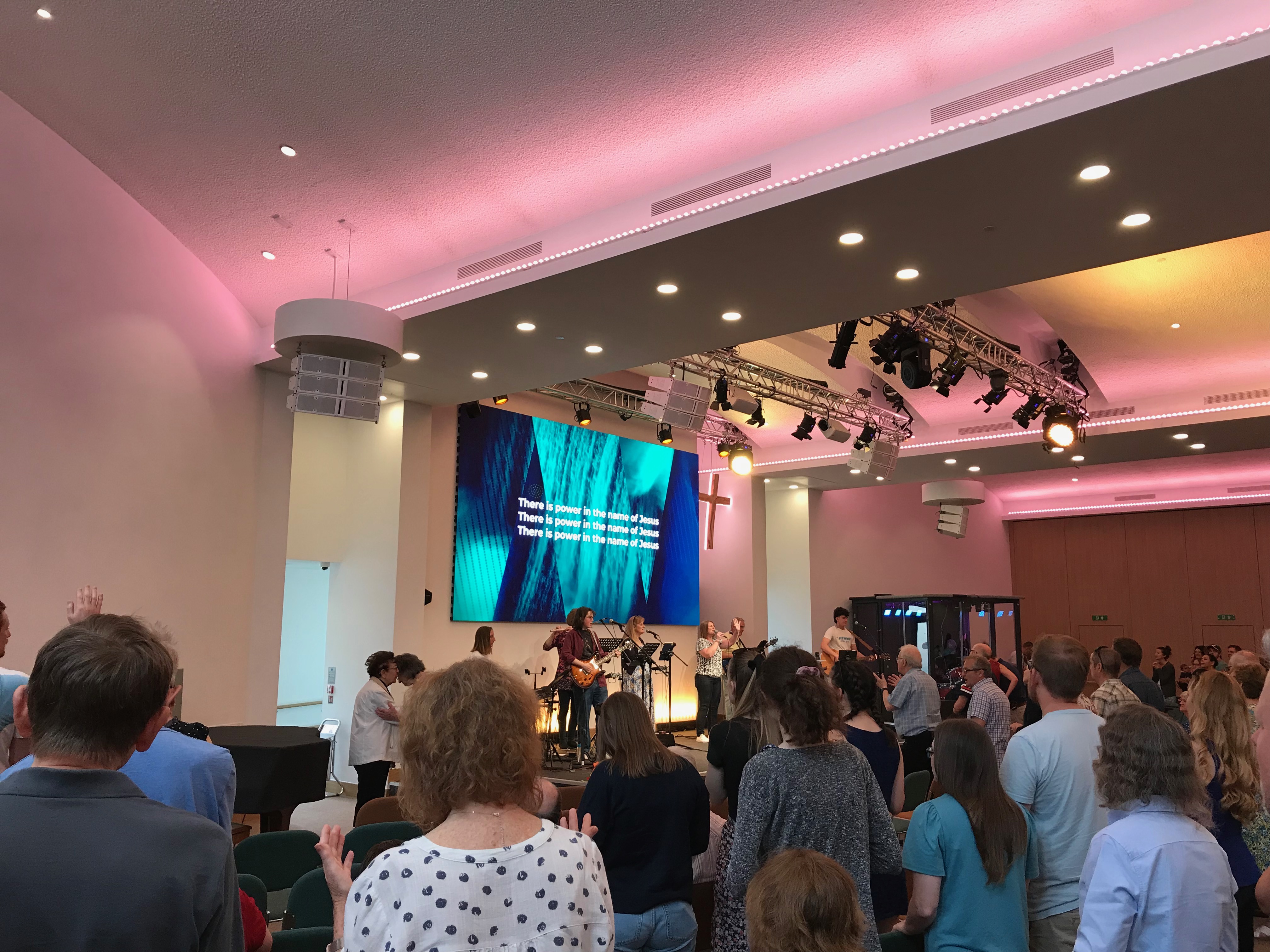
1. Item imageIf you have been carrying something heavy, or if you have good news you want to thank God for, sharing it with the church should feel simple, respectful, and safe. A prayer request or praise report is not a test of wording. It is one way the church cares for one another.
By Isla Bennett | Updated June 7, 2026
People usually come to this question with a few practical concerns in mind: Where do I send a prayer request? What details should I include? Who will see it? Can I ask for privacy? Can I send an update later? Those are wise questions. Knowing what to expect makes it much easier to reach out when something matters.
This guide explains how to submit a prayer request or praise report to Ridgecrest Baptist Church, what kind of information is most helpful, and how requests are typically handled with pastoral care and discretion. If you want the short version first, start with Contacts or the church contact form, keep the details clear and simple, and tell the church whether your request is private or may be shared more broadly.
Why the Church Invites Prayer Requests and Praise Reports
Church life is not only about attending a service. It is also about caring for one another in the middle of ordinary weeks, difficult seasons, and thankful moments. A prayer request gives others a way to stand with you. A praise report gives the church a chance to celebrate God’s faithfulness with you.
Some people hesitate because they do not want to be a burden. Others worry they will share too much or not enough. Both concerns are understandable. The good news is that a clear, modest message is enough. You do not need to write a full life history for the church to pray well.
If you are new to Ridgecrest, the home page and Resources page can also help you get your bearings before you reach out.
Where to Submit a Prayer Request or Praise Report
The safest first step is to use one of the church’s public contact paths. Ridgecrest already provides two straightforward ways to start:
- Contacts: a simple page with the church’s email, phone number, and address.
- Contact Us: an additional contact page for sending a message through the site.
If your request is connected to a church-wide update or you want to see how broader announcements are shared, you can also keep an eye on News. That page is useful for general updates, but it should not be treated as a promise that any personal request will be posted publicly.
When you reach out, use the channel that helps you communicate most clearly. For many people, that means a short email or contact-form note. If the matter is urgent, sensitive, or easier to explain in conversation, a phone call may be the better first step.
What to Include, and What to Leave Out
The goal is clarity without oversharing. A helpful request usually answers four simple questions: What is happening? Who is it for? How would you like the church to pray? How private should this remain?
| Helpful to include | Better to leave out unless necessary |
|---|---|
| Name of the person involved, if sharing the name is appropriate | Private medical details or personal information you do not have permission to share |
| A short description of the situation | Long background stories that make the main request harder to understand |
| A clear prayer focus, such as comfort, healing, wisdom, travel safety, or thanksgiving | Details about another person’s conflict, finances, or family situation that belong in a private pastoral conversation |
| Whether the request is private, limited, or okay to share more broadly | Anything that could embarrass, expose, or pressure someone else without consent |
A few examples can help:
- Prayer request: “Please pray for my mother as she prepares for surgery this week. We are asking for peace, wisdom for the medical team, and a steady recovery. Please keep this with the church leadership and prayer team only.”
- Praise report: “Thank you for praying for our family during a difficult month. We are grateful for a clear answer and would love for the church to rejoice with us.”
- Short urgent request: “Please pray for safe travel and calm hearts for our family tonight. This can stay private.”
That level of detail is usually enough to help the church respond thoughtfully without creating confusion or unnecessary exposure.
How Requests Are Usually Reviewed
Most churches route prayer needs through a small group of trusted people rather than sending every message everywhere at once. At Ridgecrest, a request submitted through the public contact channels may be seen first by pastoral staff, ministry staff, or another appropriate church contact. From there, it can be handled according to the level of privacy you asked for and the kind of care the situation calls for.
That means a request may be:
- Kept with a limited group for private prayer
- Shared with a prayer team or church leaders when appropriate
- Answered with a follow-up question if more clarity is needed
- Directed toward pastoral care if the situation requires a more personal conversation
The important point is not the exact internal route. The important point is that you should say clearly whether your request is private, whether a name may be used, and whether any part of it may be shared beyond the first person who receives it.
How a Request May Be Used
Not every prayer request or praise report is handled the same way, and that is a good thing. Some should remain private. Some are suitable for a smaller prayer circle. Some praise reports may be appropriate to mention in a broader church context if the person involved is comfortable with that.
In practical terms, your message may be used in one of three ways:
- Private prayer: the request stays with a limited group who can pray quietly and carefully.
- Shared ministry prayer: the request is passed to a prayer team or church leaders who regularly pray for church needs.
- Public sharing with permission: a praise report or carefully worded request may be included in a broader church update, announcement, or follow-up if you have given clear permission.
If you are not sure what to allow, choose the more private option first. It is easier to expand sharing later than to pull back details that were shared too widely.
Timing: What to Expect After You Submit
Because churches balance worship, ministry, family care, and everyday administration, it is wise to think in terms of care rather than an exact service-level promise. Some requests are acknowledged quickly. Others may simply be received and prayed over without a long reply. That does not mean they were ignored.
A healthy expectation is this:
- Your request should be sent through a public church channel that is already monitored.
- If the church needs more information, someone may reach back out.
- If the matter is urgent, say so plainly near the beginning of your message.
- If you are sending a praise update after an earlier request, mention that connection so the church understands the context right away.
If you need ongoing pastoral help rather than a single prayer note, say that clearly. A prayer request can open the door to a deeper conversation, but it should not be expected to carry every detail by itself.
Privacy and Consent Matter
This is where many people need the most reassurance. You do not need to choose between silence and full public disclosure. There is a middle ground, and it is often the wisest one.
Before submitting a request about another person, ask whether you have permission to share their name or details. If you do not, keep the wording general. “Please pray for a friend facing a difficult week” is often more loving than sharing specifics that are not yours to tell.
It also helps to state your preference directly in the message:
- Private: for pastoral staff or a limited prayer team only
- Limited sharing: okay to share the need, but not every detail
- Public with permission: okay to mention more broadly in church communication
If you are trying to keep personal updates organized at home, an optional outside planning tool like this web app generator may help you sketch a private reminder workflow for your own notes. That is only a neutral resource for personal organization. A short message through the church’s normal contact channels is still all you need to submit a request.
How to Update or Withdraw a Request
Prayer requests often change. A situation may improve, become more urgent, or no longer need to be shared. That is normal. If something changes, send a short follow-up through the same public contact path you used before, or use Contacts if you are unsure where the earlier request went.
A good update usually includes:
- The original request in one sentence
- The new update or praise report
- Whether the church should keep sharing, limit sharing, or stop sharing the request
For example: “This is an update to the prayer request for our family last week. Thank you for praying. The surgery went well, and we would be grateful if the church would now pray for recovery. Please keep this limited to the prayer team.”
If you need to withdraw a request, say that plainly and politely. It is entirely reasonable to ask that a request no longer be shared beyond those who have already received it.
FAQ
Can I submit a request anonymously?
You can often submit a request with limited identifying details, especially if the main need is general prayer. Even so, it is usually helpful for the church to have at least enough information to understand the request and know whether a follow-up is needed. If privacy matters, say so directly and keep the wording general.
Can I request urgent prayer?
Yes. If something is urgent, say that near the top of the message and choose the clearest contact method available on Contacts or Contact Us. Urgent does not require dramatic wording. A plain sentence is better: “This is urgent, and we would appreciate prayer today.”
Will my request be shared online?
Not by default. Public church communication should depend on appropriateness and permission, not assumption. If you are comfortable with broader sharing, say so. If you are not, say that too. The News page is for church updates, but personal requests should not be assumed to belong there.
What if I am not sure how much to say?
Start small. Share the situation in one or two sentences, name the kind of prayer you are asking for, and note your privacy preference. The church can ask for more context if more is needed.
A Gentle Next Step
If something is on your heart today, begin with one clear message. Use Contacts or Contact Us, explain the need briefly, and tell the church whether the request is private or shareable. If you are sending a praise report, include that too. Churches need both kinds of messages: the ones that ask for prayer and the ones that say, with relief and gratitude, “Thank you. The Lord has been kind to us.”
And if you are still finding your way around the site, the home page, News, and Resources pages can help you take the next step without feeling rushed.
exec /bin/bash -lc 'wp post get 23 --fields=ID,post_title,post_name,post_status --format=json' in /home/ubuntu/apps/ridgecrestchurch.com succeeded in 556ms: {"ID":23,"post_title":"Blog","post_status":"publish","post_name":"blog"} codex I’ve got enough structure to write the article. Before I publish, I’m checking whether the legacy contact paths actually exist so I only link readers to routes that work. exec /bin/bash -lc "rg --files -g 'contact.php' -g 'contact.htm' -g 'contacts.html' -g 'news.html' -g 'resources'" in /home/ubuntu/apps/ridgecrestchurch.com succeeded in 0ms: wp-content/plugins/internal-links/vendor/freemius/wordpress-sdk/templates/forms/deactivation/contact.php wp-content/plugins/internal-links/vendor/freemius/wordpress-sdk/templates/contact.php wp-content/plugins/internal-links-premium/vendor/freemius/wordpress-sdk/templates/forms/deactivation/contact.php wp-content/plugins/internal-links-premium/vendor/freemius/wordpress-sdk/templates/contact.php exec /bin/bash -lc "wp eval 'foreach ([\"/contact.php\",\"/contact.htm\",\"/contacts.html\",\"/news.html\",\"/resources\"] as "'$path) { $page = url_to_postid(home_url($path)); echo $path . "|" . $page . PHP_EOL; }'"'" in /home/ubuntu/apps/ridgecrestchurch.com succeeded in 548ms: /contact.php|0 /contact.htm|0 /contacts.html|0 /news.html|0 /resources|22 codex The legacy paths aren’t mapped in WordPress, so I’m verifying whether they still resolve at the web server level before I decide whether to use them or the current page slugs. exec /bin/bash -lc 'curl -I -L --max-redirs 3 https://ridgecrestchurch.com/contacts.html' in /home/ubuntu/apps/ridgecrestchurch.com exec /bin/bash -lc 'curl -I -L --max-redirs 3 https://ridgecrestchurch.com/contact.php' in /home/ubuntu/apps/ridgecrestchurch.com exec /bin/bash -lc 'curl -I -L --max-redirs 3 https://ridgecrestchurch.com/news.html' in /home/ubuntu/apps/ridgecrestchurch.com succeeded in 506ms: 0 0 0 HTTP/2 301 date: Tue, 23 Jun 2026 18:31:20 GMT content-type: text/html; charset=iso-8859-1 location: http://ridgecrestchurch.com/contacts/ server: cloudflare cf-cache-status: DYNAMIC report-to: {"group":"cf-nel","max_age":604800,"endpoints":[{"url":"https://a.nel.cloudflare.com/report/v4?s=i%2FiqyTaSUySCEU7DafRCCE%2Fkar4w%2B%2ByvFmEndHfeiHD0bIKSKQ1jmIvy14gPW7iDVLaGpO%2BcjYtFLehXwQg8YOWmtNFRksTw%2F8ihuZcBW8hkT86IIn%2FMk6efkV5c4Ogy5nJSv37iuw%3D%3D"}]} nel: {"report_to":"cf-nel","success_fraction":0.0,"max_age":604800} cf-ray: a10591b14e21b813-WAW alt-svc: h3=":443"; ma=86400 HTTP/1.1 200 OK Date: Tue, 23 Jun 2026 18:31:21 GMT Content-Type: text/html; charset=UTF-8 Connection: keep-alive Link:A prayer request does not need to sound polished. It needs to be clear enough for the church to pray without guessing.
+ +By Marcus Reed | Updated June 23, 2026
+ +When people sit down to write a prayer request, the same practical questions come up fast: How much context is enough? What should stay private? Can I ask for prayer for someone else? And how do I make the request easy for the church to read and use well?
+ +Those are good questions. Prayer is not a performance, and the Bible treats it that way. Philippians 4:6-7 points toward honest, direct prayer; Matthew 6:6 reminds believers that prayer can also be private and disciplined. A useful church request follows the same logic: enough context to be specific, enough restraint to protect what should stay private, and enough clarity that people can pray with purpose.
+ +If you want the shortest path, start with the church Contacts page, or use the site's contact form if that is more convenient. If you are looking for broader church information while you prepare your message, the Resources page is a good place to get oriented.
+ + +
Why We Ask for a Little Context
+ +Prayer teams do better with signal than with noise. A short note that says what is happening, who it affects, and what kind of prayer is needed gives the church something concrete to carry. A vague request forces people to fill in the blanks, and that is where confusion starts.
+ +Context also helps the church handle requests appropriately. Some needs are fine to share broadly. Some should stay with a limited group. Some should be treated as private pastoral matters. The more clearly you state your preference, the less guesswork is required on the other side.
+ +There is a third reason, and it is the one people often skip: context respects the person who is asking for prayer. A request that is too thin can feel detached; a request that is too detailed can feel exposed. The goal is not to narrate your whole life. The goal is to give enough information for faithful prayer and responsible care.
+ +A Quick Template You Can Copy and Paste
+ +If you are not sure where to start, use this format. It is simple on purpose.
+ +Name: [Your name]
+Request: [One short sentence about the need]
+Details: [Only the facts that help people pray well]
+Timeframe: [Today, this week, on [date], or ongoing]
+Ongoing vs. one-time: [One-time / recurring]
+Sharing preference: [Public / private / limited sharing]
+Contact: [Optional phone or email if a follow-up may help]That is enough for most situations. If you need more privacy, leave out the contact line and keep the description general. If the request is for someone else, say so clearly in the first line so the church understands the relationship and the permission level.
+ +A few quick definitions help here:
+ +-
+
- Public prayer: a request that can be shared more broadly with the church. +
- Private request: a request that should stay with a smaller, limited group. +
- Ongoing request: a situation that needs repeated prayer over time. +
- Timeframe: when the need is happening or when support is most important. +
Think of the template as a floor, not a ceiling. You can always add a sentence, but you do not need to write a paragraph for every line. A church can work with a concise request. It cannot work with a mystery wrapped in spiritual language.
+ +Do Include
+ +The most useful prayer requests include the facts that actually help someone pray.
+ +| Include this | +Why it helps | +
|---|---|
| A clear request in one sentence | +It tells the reader exactly what kind of prayer you are asking for. | +
| Specific needs or concerns | +“Healing,” “wisdom,” “travel safety,” or “comfort” are easier to pray for than a vague concern. | +
| Relevant dates or timeframes | +Dates help the church know what matters now, this week, or later. | +
| Whether the request is confidential | +Privacy preferences should be stated plainly, not left to interpretation. | +
| Whether the request is ongoing | +A continuing need may be placed on a prayer list differently from a one-time update. | +
One useful habit: write the request as if someone else has to read it once, understand it immediately, and pray right away. That is the operational standard. Church communication is not a scavenger hunt.
+ +Here are a few examples of good, concise wording:
+ +-
+
- Healing: “Please pray for Sarah as she prepares for surgery on Thursday. We are asking for peace, skill for the medical team, and steady recovery.” +
- Family support: “Please pray for our family during a difficult week. We need wisdom, patience, and rest.” +
- Guidance: “Please pray for discernment as I make a work decision by the end of the month.” +
- Comfort: “Please pray for comfort and strength after a recent loss. This can stay private.” +
Notice what is not happening there. There is no long backstory, no dramatic language, and no pressure to explain every detail. The request stays readable.
+ +Don’t Include
+ +Good judgment matters. A prayer request is not the right place for everything.
+ +| Leave this out | +Why to avoid it | +
|---|---|
| Overly personal details | +If it would make you uncomfortable to read out loud, it probably should not be in the request. | +
| Information you do not have permission to share | +Consent matters, especially when the request involves another person. | +
| Long background narratives | +The main need should stay visible. A request that rambles can hide the actual prayer point. | +
| Unnecessary medical, family, or financial details | +More detail is not always better. Sometimes it is just more detail. | +
| Anything you are not comfortable sharing publicly | +If it feels too exposed, mark it private or keep it brief. | +
If a detail does not help someone pray, leave it out. That is usually the right filter. The church does not need a case file. It needs enough context to respond with care.
+ +If You Are Requesting Healing, Guidance, or Comfort
+ +These are the situations where people often over-explain or under-explain. The middle path is usually best.
+ +For healing, say what kind of prayer is needed without turning the note into a medical summary. For guidance, name the decision and the deadline if there is one. For comfort, say what kind of support would be most helpful: peace, strength, patience, reassurance, or rest.
+ +You can borrow one of these patterns:
+ +-
+
- Healing: “Please pray for healing and wise care as I recover from treatment this week.” +
- Guidance: “Please pray for clarity as our family considers next steps for school and work.” +
- Comfort: “Please pray for comfort, stability, and help with the next few days.” +
- Strength: “Please pray for strength to stay steady through a difficult season.” +
If you want to keep a request private but still specific, say that directly:
+ +++ +“Please pray for healing for a family member this week. We are not ready to share details publicly, so please keep this private.”
+
That kind of wording does two jobs at once. It gives the church a prayer focus and sets a boundary without making the request awkward.
+ +For a broader biblical frame, James 5:16 connects prayer with honest confession and mutual care. The point is not performance. The point is trust and clarity.
+ +If You Are Submitting for Someone Else
+ +People often ask for prayer on behalf of a spouse, child, parent, friend, or coworker. That is normal. The key is to say two things clearly: your relationship to the person and whether you have permission to share the request.
+ +Useful wording looks like this:
+ +-
+
- With consent: “Please pray for my father, who gave me permission to share that he has a procedure next week.” +
- Without detail: “Please pray for a friend who is facing a hard family situation.” +
- For a child: “Please pray for our son as he starts treatment. We are asking for peace and wisdom.” +
What matters here is not formality. It is trust. If you are speaking for someone else, do not overshare just because you can. Use the smallest amount of information that still tells the church how to pray.
+ +If consent is unclear, keep the request general and private. That is the safer default. You can always add detail later if permission is granted and the situation changes.
+ +Sharing Preferences: Public Prayer vs. Private Request
+ +Not every request belongs in the same channel. A church needs both public prayer and private care, but they are not the same thing. Choosing the right lane keeps the request useful.
+ +| Sharing choice | +Best when | +What to say | +
|---|---|---|
| Public prayer | +The need is general and you are comfortable with broader church awareness. | +“Please pray for our family this week as we travel.” | +
| Private request | +The matter is sensitive, personal, or not ready for wider sharing. | +“Please keep this private and pray for wisdom as we work through a family matter.” | +
| Limited sharing | +You want prayer but do not want every detail repeated. | +“You may share the general need, but please leave out the details.” | +
If you are unsure, choose the more private option. That is the conservative decision and usually the right one. It is easier to expand a request later than to retract details after they have already gone farther than you intended.
+ +If the request becomes something broader for the church to know about, you can also look to the News page for public updates. That page is for church communication, not a place to assume personal details will be posted. Public and personal are not the same category, even when the same people are involved.
+ +How to Submit
+ +Once your request is ready, use the church’s normal contact paths. The simplest route is usually the Contacts page. If you prefer a form-based route, use Contact Us. Either way, keep the message short, specific, and consistent with the privacy level you chose.
+ +A helpful submission usually has three parts:
+ +-
+
- The request itself: one or two clear sentences. +
- Your privacy note: public, private, or limited sharing. +
- A follow-up option: a phone number or email if you want someone to reach back out. +
What happens after that? In practical terms, the church receives the note, reads the request, and handles it according to the communication path and privacy preference you provided. If more information is needed, someone may follow up. If no follow-up is needed, the request can still be prayed over without extra drama. That is usually the best case. Prayer requests are not package tracking.
+ +Do not build your wording around a guaranteed response time or a guaranteed outcome. A church can promise care and diligence. It cannot promise the timing of every answer. Keep the focus on the request itself, and keep praying while the message moves through the normal process.
+ +If you need more than a brief prayer note, say so. A sentence like “We would appreciate a follow-up conversation if possible” gives the church a better signal than a wall of text. If the matter is urgent, say that plainly near the top of the message. Simple language wins here.
+ +A Short Checklist Before You Send
+ +-
+
- Is the request clear in one sentence? +
- Did you include the type of prayer needed? +
- Did you leave out anything private or unnecessary? +
- Did you note whether the request is public, private, or limited? +
- If it is for someone else, did you mention your relationship and consent? +
- If timing matters, did you include the relevant date or timeframe? +
If you can answer yes to those six questions, the request is probably ready. There is no prize for over-writing it.
+ +Closing Encouragement
+ +A good prayer request is not fancy. It is faithful, clear, and respectful. If you keep the message focused on the need, the timing, and the privacy level, you make it easier for the church to do what churches are supposed to do: pray, care, and respond with wisdom.
+ +Start with the Contacts page or Contact Us form, keep your wording simple, and let the church know whether the request should stay private. If you want to think through other next steps while you wait, the Resources page can point you to additional support, and News can help you stay aware of broader church updates.
+ +Finally, keep praying after you submit. That part still matters. The church can handle the message, but you should still bring the burden to God directly. 1 Thessalonians 5:17 keeps the instruction short for a reason.
diff --git a//home/ubuntu/apps/ridgecrestchurch.com/wp-content/uploads/flatlogic-article-tasks/job-506/article.html b//home/ubuntu/apps/ridgecrestchurch.com/wp-content/uploads/flatlogic-article-tasks/job-506/article.html new file mode 100644 index 0000000000000000000000000000000000000000..8528939ff7211beb80e6eac7fe0a495ab02800ed --- /dev/null +++ b//home/ubuntu/apps/ridgecrestchurch.com/wp-content/uploads/flatlogic-article-tasks/job-506/article.html @@ -0,0 +1,247 @@ +A prayer request does not need to sound polished. It needs to be clear enough for the church to pray without guessing.
+ +By Marcus Reed | Updated June 23, 2026
+ +When people sit down to write a prayer request, the same practical questions come up fast: How much context is enough? What should stay private? Can I ask for prayer for someone else? And how do I make the request easy for the church to read and use well?
+ +Those are good questions. Prayer is not a performance, and the Bible treats it that way. Philippians 4:6-7 points toward honest, direct prayer; Matthew 6:6 reminds believers that prayer can also be private and disciplined. A useful church request follows the same logic: enough context to be specific, enough restraint to protect what should stay private, and enough clarity that people can pray with purpose.
+ +If you want the shortest path, start with the church Contacts page, or use the site's contact form if that is more convenient. If you are looking for broader church information while you prepare your message, the Resources page is a good place to get oriented.
+ +
+ Why We Ask for a Little Context
+ +Prayer teams do better with signal than with noise. A short note that says what is happening, who it affects, and what kind of prayer is needed gives the church something concrete to carry. A vague request forces people to fill in the blanks, and that is where confusion starts.
+ +Context also helps the church handle requests appropriately. Some needs are fine to share broadly. Some should stay with a limited group. Some should be treated as private pastoral matters. The more clearly you state your preference, the less guesswork is required on the other side.
+ +There is a third reason, and it is the one people often skip: context respects the person who is asking for prayer. A request that is too thin can feel detached; a request that is too detailed can feel exposed. The goal is not to narrate your whole life. The goal is to give enough information for faithful prayer and responsible care.
+ +A Quick Template You Can Copy and Paste
+ +If you are not sure where to start, use this format. It is simple on purpose.
+ +Name: [Your name]
+Request: [One short sentence about the need]
+Details: [Only the facts that help people pray well]
+Timeframe: [Today, this week, on [date], or ongoing]
+Ongoing vs. one-time: [One-time / recurring]
+Sharing preference: [Public / private / limited sharing]
+Contact: [Optional phone or email if a follow-up may help]That is enough for most situations. If you need more privacy, leave out the contact line and keep the description general. If the request is for someone else, say so clearly in the first line so the church understands the relationship and the permission level.
+ +A few quick definitions help here:
+ +-
+
- Public prayer: a request that can be shared more broadly with the church. +
- Private request: a request that should stay with a smaller, limited group. +
- Ongoing request: a situation that needs repeated prayer over time. +
- Timeframe: when the need is happening or when support is most important. +
Think of the template as a floor, not a ceiling. You can always add a sentence, but you do not need to write a paragraph for every line. A church can work with a concise request. It cannot work with a mystery wrapped in spiritual language.
+ +Do Include
+ +The most useful prayer requests include the facts that actually help someone pray.
+ +| Include this | +Why it helps | +
|---|---|
| A clear request in one sentence | +It tells the reader exactly what kind of prayer you are asking for. | +
| Specific needs or concerns | +“Healing,” “wisdom,” “travel safety,” or “comfort” are easier to pray for than a vague concern. | +
| Relevant dates or timeframes | +Dates help the church know what matters now, this week, or later. | +
| Whether the request is confidential | +Privacy preferences should be stated plainly, not left to interpretation. | +
| Whether the request is ongoing | +A continuing need may be placed on a prayer list differently from a one-time update. | +
One useful habit: write the request as if someone else has to read it once, understand it immediately, and pray right away. That is the operational standard. Church communication is not a scavenger hunt.
+ +Here are a few examples of good, concise wording:
+ +-
+
- Healing: “Please pray for Sarah as she prepares for surgery on Thursday. We are asking for peace, skill for the medical team, and steady recovery.” +
- Family support: “Please pray for our family during a difficult week. We need wisdom, patience, and rest.” +
- Guidance: “Please pray for discernment as I make a work decision by the end of the month.” +
- Comfort: “Please pray for comfort and strength after a recent loss. This can stay private.” +
Notice what is not happening there. There is no long backstory, no dramatic language, and no pressure to explain every detail. The request stays readable.
+ +Don’t Include
+ +Good judgment matters. A prayer request is not the right place for everything.
+ +| Leave this out | +Why to avoid it | +
|---|---|
| Overly personal details | +If it would make you uncomfortable to read out loud, it probably should not be in the request. | +
| Information you do not have permission to share | +Consent matters, especially when the request involves another person. | +
| Long background narratives | +The main need should stay visible. A request that rambles can hide the actual prayer point. | +
| Unnecessary medical, family, or financial details | +More detail is not always better. Sometimes it is just more detail. | +
| Anything you are not comfortable sharing publicly | +If it feels too exposed, mark it private or keep it brief. | +
If a detail does not help someone pray, leave it out. That is usually the right filter. The church does not need a case file. It needs enough context to respond with care.
+ +If You Are Requesting Healing, Guidance, or Comfort
+ +These are the situations where people often over-explain or under-explain. The middle path is usually best.
+ +For healing, say what kind of prayer is needed without turning the note into a medical summary. For guidance, name the decision and the deadline if there is one. For comfort, say what kind of support would be most helpful: peace, strength, patience, reassurance, or rest.
+ +You can borrow one of these patterns:
+ +-
+
- Healing: “Please pray for healing and wise care as I recover from treatment this week.” +
- Guidance: “Please pray for clarity as our family considers next steps for school and work.” +
- Comfort: “Please pray for comfort, stability, and help with the next few days.” +
- Strength: “Please pray for strength to stay steady through a difficult season.” +
If you want to keep a request private but still specific, say that directly:
+ +++ +“Please pray for healing for a family member this week. We are not ready to share details publicly, so please keep this private.”
+
That kind of wording does two jobs at once. It gives the church a prayer focus and sets a boundary without making the request awkward.
+ +For a broader biblical frame, James 5:16 connects prayer with honest confession and mutual care. The point is not performance. The point is trust and clarity.
+ +If You Are Submitting for Someone Else
+ +People often ask for prayer on behalf of a spouse, child, parent, friend, or coworker. That is normal. The key is to say two things clearly: your relationship to the person and whether you have permission to share the request.
+ +Useful wording looks like this:
+ +-
+
- With consent: “Please pray for my father, who gave me permission to share that he has a procedure next week.” +
- Without detail: “Please pray for a friend who is facing a hard family situation.” +
- For a child: “Please pray for our son as he starts treatment. We are asking for peace and wisdom.” +
What matters here is not formality. It is trust. If you are speaking for someone else, do not overshare just because you can. Use the smallest amount of information that still tells the church how to pray.
+ +If consent is unclear, keep the request general and private. That is the safer default. You can always add detail later if permission is granted and the situation changes.
+ +Sharing Preferences: Public Prayer vs. Private Request
+ +Not every request belongs in the same channel. A church needs both public prayer and private care, but they are not the same thing. Choosing the right lane keeps the request useful.
+ +| Sharing choice | +Best when | +What to say | +
|---|---|---|
| Public prayer | +The need is general and you are comfortable with broader church awareness. | +“Please pray for our family this week as we travel.” | +
| Private request | +The matter is sensitive, personal, or not ready for wider sharing. | +“Please keep this private and pray for wisdom as we work through a family matter.” | +
| Limited sharing | +You want prayer but do not want every detail repeated. | +“You may share the general need, but please leave out the details.” | +
If you are unsure, choose the more private option. That is the conservative decision and usually the right one. It is easier to expand a request later than to retract details after they have already gone farther than you intended.
+ +If the request becomes something broader for the church to know about, you can also look to the News page for public updates. That page is for church communication, not a place to assume personal details will be posted. Public and personal are not the same category, even when the same people are involved.
+ +How to Submit
+ +Once your request is ready, use the church’s normal contact paths. The simplest route is usually the Contacts page. If you prefer a form-based route, use Contact Us. Either way, keep the message short, specific, and consistent with the privacy level you chose.
+ +A helpful submission usually has three parts:
+ +-
+
- The request itself: one or two clear sentences. +
- Your privacy note: public, private, or limited sharing. +
- A follow-up option: a phone number or email if you want someone to reach back out. +
What happens after that? In practical terms, the church receives the note, reads the request, and handles it according to the communication path and privacy preference you provided. If more information is needed, someone may follow up. If no follow-up is needed, the request can still be prayed over without extra drama. That is usually the best case. Prayer requests are not package tracking.
+ +Do not build your wording around a guaranteed response time or a guaranteed outcome. A church can promise care and diligence. It cannot promise the timing of every answer. Keep the focus on the request itself, and keep praying while the message moves through the normal process.
+ +If you need more than a brief prayer note, say so. A sentence like “We would appreciate a follow-up conversation if possible” gives the church a better signal than a wall of text. If the matter is urgent, say that plainly near the top of the message. Simple language wins here.
+ +A Short Checklist Before You Send
+ +-
+
- Is the request clear in one sentence? +
- Did you include the type of prayer needed? +
- Did you leave out anything private or unnecessary? +
- Did you note whether the request is public, private, or limited? +
- If it is for someone else, did you mention your relationship and consent? +
- If timing matters, did you include the relevant date or timeframe? +
If you can answer yes to those six questions, the request is probably ready. There is no prize for over-writing it.
+ +Closing Encouragement
+ +A good prayer request is not fancy. It is faithful, clear, and respectful. If you keep the message focused on the need, the timing, and the privacy level, you make it easier for the church to do what churches are supposed to do: pray, care, and respond with wisdom.
+ +Start with the Contacts page or Contact Us form, keep your wording simple, and let the church know whether the request should stay private. If you want to think through other next steps while you wait, the Resources page can point you to additional support, and News can help you stay aware of broader church updates.
+ +Finally, keep praying after you submit. That part still matters. The church can handle the message, but you should still bring the burden to God directly. 1 Thessalonians 5:17 keeps the instruction short for a reason.
codex The draft is in place. I’m checking length and then I’ll push it into WordPress, set the author and featured image, and verify the public URL plus inline image. exec /bin/bash -lc 'wc -w wp-content/uploads/flatlogic-article-tasks/job-506/article.html' in /home/ubuntu/apps/ridgecrestchurch.com succeeded in 0ms: 2190 wp-content/uploads/flatlogic-article-tasks/job-506/article.html exec /bin/bash -lc "sed -n '1,260p' wp-content/uploads/flatlogic-article-tasks/job-506/article.html" in /home/ubuntu/apps/ridgecrestchurch.com succeeded in 0ms:A prayer request does not need to sound polished. It needs to be clear enough for the church to pray without guessing.
By Marcus Reed | Updated June 23, 2026
When people sit down to write a prayer request, the same practical questions come up fast: How much context is enough? What should stay private? Can I ask for prayer for someone else? And how do I make the request easy for the church to read and use well?
Those are good questions. Prayer is not a performance, and the Bible treats it that way. Philippians 4:6-7 points toward honest, direct prayer; Matthew 6:6 reminds believers that prayer can also be private and disciplined. A useful church request follows the same logic: enough context to be specific, enough restraint to protect what should stay private, and enough clarity that people can pray with purpose.
If you want the shortest path, start with the church Contacts page, or use the site's contact form if that is more convenient. If you are looking for broader church information while you prepare your message, the Resources page is a good place to get oriented.
Why We Ask for a Little Context
Prayer teams do better with signal than with noise. A short note that says what is happening, who it affects, and what kind of prayer is needed gives the church something concrete to carry. A vague request forces people to fill in the blanks, and that is where confusion starts.
Context also helps the church handle requests appropriately. Some needs are fine to share broadly. Some should stay with a limited group. Some should be treated as private pastoral matters. The more clearly you state your preference, the less guesswork is required on the other side.
There is a third reason, and it is the one people often skip: context respects the person who is asking for prayer. A request that is too thin can feel detached; a request that is too detailed can feel exposed. The goal is not to narrate your whole life. The goal is to give enough information for faithful prayer and responsible care.
A Quick Template You Can Copy and Paste
If you are not sure where to start, use this format. It is simple on purpose.
Name: [Your name]
Request: [One short sentence about the need]
Details: [Only the facts that help people pray well]
Timeframe: [Today, this week, on [date], or ongoing]
Ongoing vs. one-time: [One-time / recurring]
Sharing preference: [Public / private / limited sharing]
Contact: [Optional phone or email if a follow-up may help]
That is enough for most situations. If you need more privacy, leave out the contact line and keep the description general. If the request is for someone else, say so clearly in the first line so the church understands the relationship and the permission level.
A few quick definitions help here:
- Public prayer: a request that can be shared more broadly with the church.
- Private request: a request that should stay with a smaller, limited group.
- Ongoing request: a situation that needs repeated prayer over time.
- Timeframe: when the need is happening or when support is most important.
Think of the template as a floor, not a ceiling. You can always add a sentence, but you do not need to write a paragraph for every line. A church can work with a concise request. It cannot work with a mystery wrapped in spiritual language.
Do Include
The most useful prayer requests include the facts that actually help someone pray.
| Include this | Why it helps |
|---|---|
| A clear request in one sentence | It tells the reader exactly what kind of prayer you are asking for. |
| Specific needs or concerns | “Healing,” “wisdom,” “travel safety,” or “comfort” are easier to pray for than a vague concern. |
| Relevant dates or timeframes | Dates help the church know what matters now, this week, or later. |
| Whether the request is confidential | Privacy preferences should be stated plainly, not left to interpretation. |
| Whether the request is ongoing | A continuing need may be placed on a prayer list differently from a one-time update. |
One useful habit: write the request as if someone else has to read it once, understand it immediately, and pray right away. That is the operational standard. Church communication is not a scavenger hunt.
Here are a few examples of good, concise wording:
- Healing: “Please pray for Sarah as she prepares for surgery on Thursday. We are asking for peace, skill for the medical team, and steady recovery.”
- Family support: “Please pray for our family during a difficult week. We need wisdom, patience, and rest.”
- Guidance: “Please pray for discernment as I make a work decision by the end of the month.”
- Comfort: “Please pray for comfort and strength after a recent loss. This can stay private.”
Notice what is not happening there. There is no long backstory, no dramatic language, and no pressure to explain every detail. The request stays readable.
Don’t Include
Good judgment matters. A prayer request is not the right place for everything.
| Leave this out | Why to avoid it |
|---|---|
| Overly personal details | If it would make you uncomfortable to read out loud, it probably should not be in the request. |
| Information you do not have permission to share | Consent matters, especially when the request involves another person. |
| Long background narratives | The main need should stay visible. A request that rambles can hide the actual prayer point. |
| Unnecessary medical, family, or financial details | More detail is not always better. Sometimes it is just more detail. |
| Anything you are not comfortable sharing publicly | If it feels too exposed, mark it private or keep it brief. |
If a detail does not help someone pray, leave it out. That is usually the right filter. The church does not need a case file. It needs enough context to respond with care.
If You Are Requesting Healing, Guidance, or Comfort
These are the situations where people often over-explain or under-explain. The middle path is usually best.
For healing, say what kind of prayer is needed without turning the note into a medical summary. For guidance, name the decision and the deadline if there is one. For comfort, say what kind of support would be most helpful: peace, strength, patience, reassurance, or rest.
You can borrow one of these patterns:
- Healing: “Please pray for healing and wise care as I recover from treatment this week.”
- Guidance: “Please pray for clarity as our family considers next steps for school and work.”
- Comfort: “Please pray for comfort, stability, and help with the next few days.”
- Strength: “Please pray for strength to stay steady through a difficult season.”
If you want to keep a request private but still specific, say that directly:
“Please pray for healing for a family member this week. We are not ready to share details publicly, so please keep this private.”
That kind of wording does two jobs at once. It gives the church a prayer focus and sets a boundary without making the request awkward.
For a broader biblical frame, James 5:16 connects prayer with honest confession and mutual care. The point is not performance. The point is trust and clarity.
If You Are Submitting for Someone Else
People often ask for prayer on behalf of a spouse, child, parent, friend, or coworker. That is normal. The key is to say two things clearly: your relationship to the person and whether you have permission to share the request.
Useful wording looks like this:
- With consent: “Please pray for my father, who gave me permission to share that he has a procedure next week.”
- Without detail: “Please pray for a friend who is facing a hard family situation.”
- For a child: “Please pray for our son as he starts treatment. We are asking for peace and wisdom.”
What matters here is not formality. It is trust. If you are speaking for someone else, do not overshare just because you can. Use the smallest amount of information that still tells the church how to pray.
If consent is unclear, keep the request general and private. That is the safer default. You can always add detail later if permission is granted and the situation changes.
Sharing Preferences: Public Prayer vs. Private Request
Not every request belongs in the same channel. A church needs both public prayer and private care, but they are not the same thing. Choosing the right lane keeps the request useful.
| Sharing choice | Best when | What to say |
|---|---|---|
| Public prayer | The need is general and you are comfortable with broader church awareness. | “Please pray for our family this week as we travel.” |
| Private request | The matter is sensitive, personal, or not ready for wider sharing. | “Please keep this private and pray for wisdom as we work through a family matter.” |
| Limited sharing | You want prayer but do not want every detail repeated. | “You may share the general need, but please leave out the details.” |
If you are unsure, choose the more private option. That is the conservative decision and usually the right one. It is easier to expand a request later than to retract details after they have already gone farther than you intended.
If the request becomes something broader for the church to know about, you can also look to the News page for public updates. That page is for church communication, not a place to assume personal details will be posted. Public and personal are not the same category, even when the same people are involved.
How to Submit
Once your request is ready, use the church’s normal contact paths. The simplest route is usually the Contacts page. If you prefer a form-based route, use Contact Us. Either way, keep the message short, specific, and consistent with the privacy level you chose.
A helpful submission usually has three parts:
- The request itself: one or two clear sentences.
- Your privacy note: public, private, or limited sharing.
- A follow-up option: a phone number or email if you want someone to reach back out.
What happens after that? In practical terms, the church receives the note, reads the request, and handles it according to the communication path and privacy preference you provided. If more information is needed, someone may follow up. If no follow-up is needed, the request can still be prayed over without extra drama. That is usually the best case. Prayer requests are not package tracking.
Do not build your wording around a guaranteed response time or a guaranteed outcome. A church can promise care and diligence. It cannot promise the timing of every answer. Keep the focus on the request itself, and keep praying while the message moves through the normal process.
If you need more than a brief prayer note, say so. A sentence like “We would appreciate a follow-up conversation if possible” gives the church a better signal than a wall of text. If the matter is urgent, say that plainly near the top of the message. Simple language wins here.
A Short Checklist Before You Send
- Is the request clear in one sentence?
- Did you include the type of prayer needed?
- Did you leave out anything private or unnecessary?
- Did you note whether the request is public, private, or limited?
- If it is for someone else, did you mention your relationship and consent?
- If timing matters, did you include the relevant date or timeframe?
If you can answer yes to those six questions, the request is probably ready. There is no prize for over-writing it.
Closing Encouragement
A good prayer request is not fancy. It is faithful, clear, and respectful. If you keep the message focused on the need, the timing, and the privacy level, you make it easier for the church to do what churches are supposed to do: pray, care, and respond with wisdom.
Start with the Contacts page or Contact Us form, keep your wording simple, and let the church know whether the request should stay private. If you want to think through other next steps while you wait, the Resources page can point you to additional support, and News can help you stay aware of broader church updates.
Finally, keep praying after you submit. That part still matters. The church can handle the message, but you should still bring the burden to God directly. 1 Thessalonians 5:17 keeps the instruction short for a reason.
diff --git a//home/ubuntu/apps/ridgecrestchurch.com/wp-content/uploads/flatlogic-article-tasks/job-506/article.html b//home/ubuntu/apps/ridgecrestchurch.com/wp-content/uploads/flatlogic-article-tasks/job-506/article.html new file mode 100644 index 0000000000000000000000000000000000000000..8528939ff7211beb80e6eac7fe0a495ab02800ed --- /dev/null +++ b//home/ubuntu/apps/ridgecrestchurch.com/wp-content/uploads/flatlogic-article-tasks/job-506/article.html @@ -0,0 +1,247 @@ +A prayer request does not need to sound polished. It needs to be clear enough for the church to pray without guessing.
+ +By Marcus Reed | Updated June 23, 2026
+ +When people sit down to write a prayer request, the same practical questions come up fast: How much context is enough? What should stay private? Can I ask for prayer for someone else? And how do I make the request easy for the church to read and use well?
+ +Those are good questions. Prayer is not a performance, and the Bible treats it that way. Philippians 4:6-7 points toward honest, direct prayer; Matthew 6:6 reminds believers that prayer can also be private and disciplined. A useful church request follows the same logic: enough context to be specific, enough restraint to protect what should stay private, and enough clarity that people can pray with purpose.
+ +If you want the shortest path, start with the church Contacts page, or use the site's contact form if that is more convenient. If you are looking for broader church information while you prepare your message, the Resources page is a good place to get oriented.
+ +
+ Why We Ask for a Little Context
+ +Prayer teams do better with signal than with noise. A short note that says what is happening, who it affects, and what kind of prayer is needed gives the church something concrete to carry. A vague request forces people to fill in the blanks, and that is where confusion starts.
+ +Context also helps the church handle requests appropriately. Some needs are fine to share broadly. Some should stay with a limited group. Some should be treated as private pastoral matters. The more clearly you state your preference, the less guesswork is required on the other side.
+ +There is a third reason, and it is the one people often skip: context respects the person who is asking for prayer. A request that is too thin can feel detached; a request that is too detailed can feel exposed. The goal is not to narrate your whole life. The goal is to give enough information for faithful prayer and responsible care.
+ +A Quick Template You Can Copy and Paste
+ +If you are not sure where to start, use this format. It is simple on purpose.
+ +Name: [Your name]
+Request: [One short sentence about the need]
+Details: [Only the facts that help people pray well]
+Timeframe: [Today, this week, on [date], or ongoing]
+Ongoing vs. one-time: [One-time / recurring]
+Sharing preference: [Public / private / limited sharing]
+Contact: [Optional phone or email if a follow-up may help]That is enough for most situations. If you need more privacy, leave out the contact line and keep the description general. If the request is for someone else, say so clearly in the first line so the church understands the relationship and the permission level.
+ +A few quick definitions help here:
+ +-
+
- Public prayer: a request that can be shared more broadly with the church. +
- Private request: a request that should stay with a smaller, limited group. +
- Ongoing request: a situation that needs repeated prayer over time. +
- Timeframe: when the need is happening or when support is most important. +
Think of the template as a floor, not a ceiling. You can always add a sentence, but you do not need to write a paragraph for every line. A church can work with a concise request. It cannot work with a mystery wrapped in spiritual language.
+ +Do Include
+ +The most useful prayer requests include the facts that actually help someone pray.
+ +| Include this | +Why it helps | +
|---|---|
| A clear request in one sentence | +It tells the reader exactly what kind of prayer you are asking for. | +
| Specific needs or concerns | +“Healing,” “wisdom,” “travel safety,” or “comfort” are easier to pray for than a vague concern. | +
| Relevant dates or timeframes | +Dates help the church know what matters now, this week, or later. | +
| Whether the request is confidential | +Privacy preferences should be stated plainly, not left to interpretation. | +
| Whether the request is ongoing | +A continuing need may be placed on a prayer list differently from a one-time update. | +
One useful habit: write the request as if someone else has to read it once, understand it immediately, and pray right away. That is the operational standard. Church communication is not a scavenger hunt.
+ +Here are a few examples of good, concise wording:
+ +-
+
- Healing: “Please pray for Sarah as she prepares for surgery on Thursday. We are asking for peace, skill for the medical team, and steady recovery.” +
- Family support: “Please pray for our family during a difficult week. We need wisdom, patience, and rest.” +
- Guidance: “Please pray for discernment as I make a work decision by the end of the month.” +
- Comfort: “Please pray for comfort and strength after a recent loss. This can stay private.” +
Notice what is not happening there. There is no long backstory, no dramatic language, and no pressure to explain every detail. The request stays readable.
+ +Don’t Include
+ +Good judgment matters. A prayer request is not the right place for everything.
+ +| Leave this out | +Why to avoid it | +
|---|---|
| Overly personal details | +If it would make you uncomfortable to read out loud, it probably should not be in the request. | +
| Information you do not have permission to share | +Consent matters, especially when the request involves another person. | +
| Long background narratives | +The main need should stay visible. A request that rambles can hide the actual prayer point. | +
| Unnecessary medical, family, or financial details | +More detail is not always better. Sometimes it is just more detail. | +
| Anything you are not comfortable sharing publicly | +If it feels too exposed, mark it private or keep it brief. | +
If a detail does not help someone pray, leave it out. That is usually the right filter. The church does not need a case file. It needs enough context to respond with care.
+ +If You Are Requesting Healing, Guidance, or Comfort
+ +These are the situations where people often over-explain or under-explain. The middle path is usually best.
+ +For healing, say what kind of prayer is needed without turning the note into a medical summary. For guidance, name the decision and the deadline if there is one. For comfort, say what kind of support would be most helpful: peace, strength, patience, reassurance, or rest.
+ +You can borrow one of these patterns:
+ +-
+
- Healing: “Please pray for healing and wise care as I recover from treatment this week.” +
- Guidance: “Please pray for clarity as our family considers next steps for school and work.” +
- Comfort: “Please pray for comfort, stability, and help with the next few days.” +
- Strength: “Please pray for strength to stay steady through a difficult season.” +
If you want to keep a request private but still specific, say that directly:
+ +++ +“Please pray for healing for a family member this week. We are not ready to share details publicly, so please keep this private.”
+
That kind of wording does two jobs at once. It gives the church a prayer focus and sets a boundary without making the request awkward.
+ +For a broader biblical frame, James 5:16 connects prayer with honest confession and mutual care. The point is not performance. The point is trust and clarity.
+ +If You Are Submitting for Someone Else
+ +People often ask for prayer on behalf of a spouse, child, parent, friend, or coworker. That is normal. The key is to say two things clearly: your relationship to the person and whether you have permission to share the request.
+ +Useful wording looks like this:
+ +-
+
- With consent: “Please pray for my father, who gave me permission to share that he has a procedure next week.” +
- Without detail: “Please pray for a friend who is facing a hard family situation.” +
- For a child: “Please pray for our son as he starts treatment. We are asking for peace and wisdom.” +
What matters here is not formality. It is trust. If you are speaking for someone else, do not overshare just because you can. Use the smallest amount of information that still tells the church how to pray.
+ +If consent is unclear, keep the request general and private. That is the safer default. You can always add detail later if permission is granted and the situation changes.
+ +Sharing Preferences: Public Prayer vs. Private Request
+ +Not every request belongs in the same channel. A church needs both public prayer and private care, but they are not the same thing. Choosing the right lane keeps the request useful.
+ +| Sharing choice | +Best when | +What to say | +
|---|---|---|
| Public prayer | +The need is general and you are comfortable with broader church awareness. | +“Please pray for our family this week as we travel.” | +
| Private request | +The matter is sensitive, personal, or not ready for wider sharing. | +“Please keep this private and pray for wisdom as we work through a family matter.” | +
| Limited sharing | +You want prayer but do not want every detail repeated. | +“You may share the general need, but please leave out the details.” | +
If you are unsure, choose the more private option. That is the conservative decision and usually the right one. It is easier to expand a request later than to retract details after they have already gone farther than you intended.
+ +If the request becomes something broader for the church to know about, you can also look to the News page for public updates. That page is for church communication, not a place to assume personal details will be posted. Public and personal are not the same category, even when the same people are involved.
+ +How to Submit
+ +Once your request is ready, use the church’s normal contact paths. The simplest route is usually the Contacts page. If you prefer a form-based route, use Contact Us. Either way, keep the message short, specific, and consistent with the privacy level you chose.
+ +A helpful submission usually has three parts:
+ +-
+
- The request itself: one or two clear sentences. +
- Your privacy note: public, private, or limited sharing. +
- A follow-up option: a phone number or email if you want someone to reach back out. +
What happens after that? In practical terms, the church receives the note, reads the request, and handles it according to the communication path and privacy preference you provided. If more information is needed, someone may follow up. If no follow-up is needed, the request can still be prayed over without extra drama. That is usually the best case. Prayer requests are not package tracking.
+ +Do not build your wording around a guaranteed response time or a guaranteed outcome. A church can promise care and diligence. It cannot promise the timing of every answer. Keep the focus on the request itself, and keep praying while the message moves through the normal process.
+ +If you need more than a brief prayer note, say so. A sentence like “We would appreciate a follow-up conversation if possible” gives the church a better signal than a wall of text. If the matter is urgent, say that plainly near the top of the message. Simple language wins here.
+ +A Short Checklist Before You Send
+ +-
+
- Is the request clear in one sentence? +
- Did you include the type of prayer needed? +
- Did you leave out anything private or unnecessary? +
- Did you note whether the request is public, private, or limited? +
- If it is for someone else, did you mention your relationship and consent? +
- If timing matters, did you include the relevant date or timeframe? +
If you can answer yes to those six questions, the request is probably ready. There is no prize for over-writing it.
+ +Closing Encouragement
+ +A good prayer request is not fancy. It is faithful, clear, and respectful. If you keep the message focused on the need, the timing, and the privacy level, you make it easier for the church to do what churches are supposed to do: pray, care, and respond with wisdom.
+ +Start with the Contacts page or Contact Us form, keep your wording simple, and let the church know whether the request should stay private. If you want to think through other next steps while you wait, the Resources page can point you to additional support, and News can help you stay aware of broader church updates.
+ +Finally, keep praying after you submit. That part still matters. The church can handle the message, but you should still bring the burden to God directly. 1 Thessalonians 5:17 keeps the instruction short for a reason.
codex The draft is a little short of the site’s article-length floor, so I’m adding one compact section with common mistakes and practical examples. That will bring it up to the expected weight without padding it with fluff. apply patch patch: completed /home/ubuntu/apps/ridgecrestchurch.com/wp-content/uploads/flatlogic-article-tasks/job-506/article.html diff --git a//home/ubuntu/apps/ridgecrestchurch.com/wp-content/uploads/flatlogic-article-tasks/job-506/article.html b//home/ubuntu/apps/ridgecrestchurch.com/wp-content/uploads/flatlogic-article-tasks/job-506/article.html new file mode 100644 index 0000000000000000000000000000000000000000..ba0db7a98ca7aaf1f97d1e0d7779b046be5e686a --- /dev/null +++ b//home/ubuntu/apps/ridgecrestchurch.com/wp-content/uploads/flatlogic-article-tasks/job-506/article.html @@ -0,0 +1,281 @@ +A prayer request does not need to sound polished. It needs to be clear enough for the church to pray without guessing.
+ +By Marcus Reed | Updated June 23, 2026
+ +When people sit down to write a prayer request, the same practical questions come up fast: How much context is enough? What should stay private? Can I ask for prayer for someone else? And how do I make the request easy for the church to read and use well?
+ +Those are good questions. Prayer is not a performance, and the Bible treats it that way. Philippians 4:6-7 points toward honest, direct prayer; Matthew 6:6 reminds believers that prayer can also be private and disciplined. A useful church request follows the same logic: enough context to be specific, enough restraint to protect what should stay private, and enough clarity that people can pray with purpose.
+ +If you want the shortest path, start with the church Contacts page, or use the site's contact form if that is more convenient. If you are looking for broader church information while you prepare your message, the Resources page is a good place to get oriented.
+ +
+ Why We Ask for a Little Context
+ +Prayer teams do better with signal than with noise. A short note that says what is happening, who it affects, and what kind of prayer is needed gives the church something concrete to carry. A vague request forces people to fill in the blanks, and that is where confusion starts.
+ +Context also helps the church handle requests appropriately. Some needs are fine to share broadly. Some should stay with a limited group. Some should be treated as private pastoral matters. The more clearly you state your preference, the less guesswork is required on the other side.
+ +There is a third reason, and it is the one people often skip: context respects the person who is asking for prayer. A request that is too thin can feel detached; a request that is too detailed can feel exposed. The goal is not to narrate your whole life. The goal is to give enough information for faithful prayer and responsible care.
+ +A Quick Template You Can Copy and Paste
+ +If you are not sure where to start, use this format. It is simple on purpose.
+ +Name: [Your name]
+Request: [One short sentence about the need]
+Details: [Only the facts that help people pray well]
+Timeframe: [Today, this week, on [date], or ongoing]
+Ongoing vs. one-time: [One-time / recurring]
+Sharing preference: [Public / private / limited sharing]
+Contact: [Optional phone or email if a follow-up may help]That is enough for most situations. If you need more privacy, leave out the contact line and keep the description general. If the request is for someone else, say so clearly in the first line so the church understands the relationship and the permission level.
+ +A few quick definitions help here:
+ +-
+
- Public prayer: a request that can be shared more broadly with the church. +
- Private request: a request that should stay with a smaller, limited group. +
- Ongoing request: a situation that needs repeated prayer over time. +
- Timeframe: when the need is happening or when support is most important. +
Think of the template as a floor, not a ceiling. You can always add a sentence, but you do not need to write a paragraph for every line. A church can work with a concise request. It cannot work with a mystery wrapped in spiritual language.
+ +Do Include
+ +The most useful prayer requests include the facts that actually help someone pray.
+ +| Include this | +Why it helps | +
|---|---|
| A clear request in one sentence | +It tells the reader exactly what kind of prayer you are asking for. | +
| Specific needs or concerns | +“Healing,” “wisdom,” “travel safety,” or “comfort” are easier to pray for than a vague concern. | +
| Relevant dates or timeframes | +Dates help the church know what matters now, this week, or later. | +
| Whether the request is confidential | +Privacy preferences should be stated plainly, not left to interpretation. | +
| Whether the request is ongoing | +A continuing need may be placed on a prayer list differently from a one-time update. | +
One useful habit: write the request as if someone else has to read it once, understand it immediately, and pray right away. That is the operational standard. Church communication is not a scavenger hunt.
+ +Here are a few examples of good, concise wording:
+ +-
+
- Healing: “Please pray for Sarah as she prepares for surgery on Thursday. We are asking for peace, skill for the medical team, and steady recovery.” +
- Family support: “Please pray for our family during a difficult week. We need wisdom, patience, and rest.” +
- Guidance: “Please pray for discernment as I make a work decision by the end of the month.” +
- Comfort: “Please pray for comfort and strength after a recent loss. This can stay private.” +
Notice what is not happening there. There is no long backstory, no dramatic language, and no pressure to explain every detail. The request stays readable.
+ +Don’t Include
+ +Good judgment matters. A prayer request is not the right place for everything.
+ +| Leave this out | +Why to avoid it | +
|---|---|
| Overly personal details | +If it would make you uncomfortable to read out loud, it probably should not be in the request. | +
| Information you do not have permission to share | +Consent matters, especially when the request involves another person. | +
| Long background narratives | +The main need should stay visible. A request that rambles can hide the actual prayer point. | +
| Unnecessary medical, family, or financial details | +More detail is not always better. Sometimes it is just more detail. | +
| Anything you are not comfortable sharing publicly | +If it feels too exposed, mark it private or keep it brief. | +
If a detail does not help someone pray, leave it out. That is usually the right filter. The church does not need a case file. It needs enough context to respond with care.
+ +If You Are Requesting Healing, Guidance, or Comfort
+ +These are the situations where people often over-explain or under-explain. The middle path is usually best.
+ +For healing, say what kind of prayer is needed without turning the note into a medical summary. For guidance, name the decision and the deadline if there is one. For comfort, say what kind of support would be most helpful: peace, strength, patience, reassurance, or rest.
+ +You can borrow one of these patterns:
+ +-
+
- Healing: “Please pray for healing and wise care as I recover from treatment this week.” +
- Guidance: “Please pray for clarity as our family considers next steps for school and work.” +
- Comfort: “Please pray for comfort, stability, and help with the next few days.” +
- Strength: “Please pray for strength to stay steady through a difficult season.” +
If you want to keep a request private but still specific, say that directly:
+ +++ +“Please pray for healing for a family member this week. We are not ready to share details publicly, so please keep this private.”
+
That kind of wording does two jobs at once. It gives the church a prayer focus and sets a boundary without making the request awkward.
+ +For a broader biblical frame, James 5:16 connects prayer with honest confession and mutual care. The point is not performance. The point is trust and clarity.
+ +If You Are Submitting for Someone Else
+ +People often ask for prayer on behalf of a spouse, child, parent, friend, or coworker. That is normal. The key is to say two things clearly: your relationship to the person and whether you have permission to share the request.
+ +Useful wording looks like this:
+ +-
+
- With consent: “Please pray for my father, who gave me permission to share that he has a procedure next week.” +
- Without detail: “Please pray for a friend who is facing a hard family situation.” +
- For a child: “Please pray for our son as he starts treatment. We are asking for peace and wisdom.” +
What matters here is not formality. It is trust. If you are speaking for someone else, do not overshare just because you can. Use the smallest amount of information that still tells the church how to pray.
+ +If consent is unclear, keep the request general and private. That is the safer default. You can always add detail later if permission is granted and the situation changes.
+ +Sharing Preferences: Public Prayer vs. Private Request
+ +Not every request belongs in the same channel. A church needs both public prayer and private care, but they are not the same thing. Choosing the right lane keeps the request useful.
+ +| Sharing choice | +Best when | +What to say | +
|---|---|---|
| Public prayer | +The need is general and you are comfortable with broader church awareness. | +“Please pray for our family this week as we travel.” | +
| Private request | +The matter is sensitive, personal, or not ready for wider sharing. | +“Please keep this private and pray for wisdom as we work through a family matter.” | +
| Limited sharing | +You want prayer but do not want every detail repeated. | +“You may share the general need, but please leave out the details.” | +
If you are unsure, choose the more private option. That is the conservative decision and usually the right one. It is easier to expand a request later than to retract details after they have already gone farther than you intended.
+ +If the request becomes something broader for the church to know about, you can also look to the News page for public updates. That page is for church communication, not a place to assume personal details will be posted. Public and personal are not the same category, even when the same people are involved.
+ +How to Submit
+ +Once your request is ready, use the church’s normal contact paths. The simplest route is usually the Contacts page. If you prefer a form-based route, use Contact Us. Either way, keep the message short, specific, and consistent with the privacy level you chose.
+ +A helpful submission usually has three parts:
+ +-
+
- The request itself: one or two clear sentences. +
- Your privacy note: public, private, or limited sharing. +
- A follow-up option: a phone number or email if you want someone to reach back out. +
What happens after that? In practical terms, the church receives the note, reads the request, and handles it according to the communication path and privacy preference you provided. If more information is needed, someone may follow up. If no follow-up is needed, the request can still be prayed over without extra drama. That is usually the best case. Prayer requests are not package tracking.
+ +Do not build your wording around a guaranteed response time or a guaranteed outcome. A church can promise care and diligence. It cannot promise the timing of every answer. Keep the focus on the request itself, and keep praying while the message moves through the normal process.
+ +If you need more than a brief prayer note, say so. A sentence like “We would appreciate a follow-up conversation if possible” gives the church a better signal than a wall of text. If the matter is urgent, say that plainly near the top of the message. Simple language wins here.
+ +A Short Checklist Before You Send
+ +-
+
- Is the request clear in one sentence? +
- Did you include the type of prayer needed? +
- Did you leave out anything private or unnecessary? +
- Did you note whether the request is public, private, or limited? +
- If it is for someone else, did you mention your relationship and consent? +
- If timing matters, did you include the relevant date or timeframe? +
If you can answer yes to those six questions, the request is probably ready. There is no prize for over-writing it.
+ +Common Mistakes That Make Requests Harder to Use
+ +Most weak prayer requests fail for ordinary reasons, not dramatic ones. The note is too vague, too long, too private in the wrong place, or too public for the situation. Clean that up before you send it and you save everyone time.
+ +-
+
- Leaving out the actual request: “Please pray for my family” is not enough by itself. Add the reason. +
- Writing a full explanation first: the prayer point should show up in the first sentence, not after three paragraphs. +
- Using code words: if the church has to decode your message, it is not a clear request. +
- Sharing too much detail: more information is not always more help. Sometimes it is just more exposure. +
- Forgetting the privacy note: public, private, or limited sharing should never be a guessing game. +
A practical test helps here: read the request out loud once. If it sounds muddled, you probably wrote too much or too little. Trim it until the sentence does the job.
+ +Three Finished Examples
+ +If you would rather copy a complete version than build one piece by piece, use one of these as a model:
+ +++ +Example 1: “Please pray for my mother as she prepares for surgery on Monday. We are asking for peace, skill for the doctors, and a smooth recovery. Please keep this private.”
+
++ +Example 2: “Please pray for our family this month as we handle a move, a new school schedule, and a lot of change. We would appreciate wisdom and steadiness. The general request may be shared, but please leave out details.”
+
++ +Example 3: “Please pray for a friend who is grieving. I have permission to ask for prayer, but not to share more details publicly. Please pray for comfort and rest.”
+
These examples are short for a reason. They say what is needed, when it matters, and how public the request may be. That is the job.
+ +If you need help thinking through what kind of support fits the situation, the Resources page is a sensible next stop. It will not solve every problem, which is a rare and refreshing limitation for a church website.
+ +Closing Encouragement
+ +A good prayer request is not fancy. It is faithful, clear, and respectful. If you keep the message focused on the need, the timing, and the privacy level, you make it easier for the church to do what churches are supposed to do: pray, care, and respond with wisdom.
+ +Start with the Contacts page or Contact Us form, keep your wording simple, and let the church know whether the request should stay private. If you want to think through other next steps while you wait, the Resources page can point you to additional support, and News can help you stay aware of broader church updates.
+ +Finally, keep praying after you submit. That part still matters. The church can handle the message, but you should still bring the burden to God directly. 1 Thessalonians 5:17 keeps the instruction short for a reason.
diff --git a//home/ubuntu/apps/ridgecrestchurch.com/wp-content/uploads/flatlogic-article-tasks/job-506/article.html b//home/ubuntu/apps/ridgecrestchurch.com/wp-content/uploads/flatlogic-article-tasks/job-506/article.html new file mode 100644 index 0000000000000000000000000000000000000000..ba0db7a98ca7aaf1f97d1e0d7779b046be5e686a --- /dev/null +++ b//home/ubuntu/apps/ridgecrestchurch.com/wp-content/uploads/flatlogic-article-tasks/job-506/article.html @@ -0,0 +1,281 @@ +A prayer request does not need to sound polished. It needs to be clear enough for the church to pray without guessing.
+ +By Marcus Reed | Updated June 23, 2026
+ +When people sit down to write a prayer request, the same practical questions come up fast: How much context is enough? What should stay private? Can I ask for prayer for someone else? And how do I make the request easy for the church to read and use well?
+ +Those are good questions. Prayer is not a performance, and the Bible treats it that way. Philippians 4:6-7 points toward honest, direct prayer; Matthew 6:6 reminds believers that prayer can also be private and disciplined. A useful church request follows the same logic: enough context to be specific, enough restraint to protect what should stay private, and enough clarity that people can pray with purpose.
+ +If you want the shortest path, start with the church Contacts page, or use the site's contact form if that is more convenient. If you are looking for broader church information while you prepare your message, the Resources page is a good place to get oriented.
+ +
+ Why We Ask for a Little Context
+ +Prayer teams do better with signal than with noise. A short note that says what is happening, who it affects, and what kind of prayer is needed gives the church something concrete to carry. A vague request forces people to fill in the blanks, and that is where confusion starts.
+ +Context also helps the church handle requests appropriately. Some needs are fine to share broadly. Some should stay with a limited group. Some should be treated as private pastoral matters. The more clearly you state your preference, the less guesswork is required on the other side.
+ +There is a third reason, and it is the one people often skip: context respects the person who is asking for prayer. A request that is too thin can feel detached; a request that is too detailed can feel exposed. The goal is not to narrate your whole life. The goal is to give enough information for faithful prayer and responsible care.
+ +A Quick Template You Can Copy and Paste
+ +If you are not sure where to start, use this format. It is simple on purpose.
+ +Name: [Your name]
+Request: [One short sentence about the need]
+Details: [Only the facts that help people pray well]
+Timeframe: [Today, this week, on [date], or ongoing]
+Ongoing vs. one-time: [One-time / recurring]
+Sharing preference: [Public / private / limited sharing]
+Contact: [Optional phone or email if a follow-up may help]That is enough for most situations. If you need more privacy, leave out the contact line and keep the description general. If the request is for someone else, say so clearly in the first line so the church understands the relationship and the permission level.
+ +A few quick definitions help here:
+ +-
+
- Public prayer: a request that can be shared more broadly with the church. +
- Private request: a request that should stay with a smaller, limited group. +
- Ongoing request: a situation that needs repeated prayer over time. +
- Timeframe: when the need is happening or when support is most important. +
Think of the template as a floor, not a ceiling. You can always add a sentence, but you do not need to write a paragraph for every line. A church can work with a concise request. It cannot work with a mystery wrapped in spiritual language.
+ +Do Include
+ +The most useful prayer requests include the facts that actually help someone pray.
+ +| Include this | +Why it helps | +
|---|---|
| A clear request in one sentence | +It tells the reader exactly what kind of prayer you are asking for. | +
| Specific needs or concerns | +“Healing,” “wisdom,” “travel safety,” or “comfort” are easier to pray for than a vague concern. | +
| Relevant dates or timeframes | +Dates help the church know what matters now, this week, or later. | +
| Whether the request is confidential | +Privacy preferences should be stated plainly, not left to interpretation. | +
| Whether the request is ongoing | +A continuing need may be placed on a prayer list differently from a one-time update. | +
One useful habit: write the request as if someone else has to read it once, understand it immediately, and pray right away. That is the operational standard. Church communication is not a scavenger hunt.
+ +Here are a few examples of good, concise wording:
+ +-
+
- Healing: “Please pray for Sarah as she prepares for surgery on Thursday. We are asking for peace, skill for the medical team, and steady recovery.” +
- Family support: “Please pray for our family during a difficult week. We need wisdom, patience, and rest.” +
- Guidance: “Please pray for discernment as I make a work decision by the end of the month.” +
- Comfort: “Please pray for comfort and strength after a recent loss. This can stay private.” +
Notice what is not happening there. There is no long backstory, no dramatic language, and no pressure to explain every detail. The request stays readable.
+ +Don’t Include
+ +Good judgment matters. A prayer request is not the right place for everything.
+ +| Leave this out | +Why to avoid it | +
|---|---|
| Overly personal details | +If it would make you uncomfortable to read out loud, it probably should not be in the request. | +
| Information you do not have permission to share | +Consent matters, especially when the request involves another person. | +
| Long background narratives | +The main need should stay visible. A request that rambles can hide the actual prayer point. | +
| Unnecessary medical, family, or financial details | +More detail is not always better. Sometimes it is just more detail. | +
| Anything you are not comfortable sharing publicly | +If it feels too exposed, mark it private or keep it brief. | +
If a detail does not help someone pray, leave it out. That is usually the right filter. The church does not need a case file. It needs enough context to respond with care.
+ +If You Are Requesting Healing, Guidance, or Comfort
+ +These are the situations where people often over-explain or under-explain. The middle path is usually best.
+ +For healing, say what kind of prayer is needed without turning the note into a medical summary. For guidance, name the decision and the deadline if there is one. For comfort, say what kind of support would be most helpful: peace, strength, patience, reassurance, or rest.
+ +You can borrow one of these patterns:
+ +-
+
- Healing: “Please pray for healing and wise care as I recover from treatment this week.” +
- Guidance: “Please pray for clarity as our family considers next steps for school and work.” +
- Comfort: “Please pray for comfort, stability, and help with the next few days.” +
- Strength: “Please pray for strength to stay steady through a difficult season.” +
If you want to keep a request private but still specific, say that directly:
+ +++ +“Please pray for healing for a family member this week. We are not ready to share details publicly, so please keep this private.”
+
That kind of wording does two jobs at once. It gives the church a prayer focus and sets a boundary without making the request awkward.
+ +For a broader biblical frame, James 5:16 connects prayer with honest confession and mutual care. The point is not performance. The point is trust and clarity.
+ +If You Are Submitting for Someone Else
+ +People often ask for prayer on behalf of a spouse, child, parent, friend, or coworker. That is normal. The key is to say two things clearly: your relationship to the person and whether you have permission to share the request.
+ +Useful wording looks like this:
+ +-
+
- With consent: “Please pray for my father, who gave me permission to share that he has a procedure next week.” +
- Without detail: “Please pray for a friend who is facing a hard family situation.” +
- For a child: “Please pray for our son as he starts treatment. We are asking for peace and wisdom.” +
What matters here is not formality. It is trust. If you are speaking for someone else, do not overshare just because you can. Use the smallest amount of information that still tells the church how to pray.
+ +If consent is unclear, keep the request general and private. That is the safer default. You can always add detail later if permission is granted and the situation changes.
+ +Sharing Preferences: Public Prayer vs. Private Request
+ +Not every request belongs in the same channel. A church needs both public prayer and private care, but they are not the same thing. Choosing the right lane keeps the request useful.
+ +| Sharing choice | +Best when | +What to say | +
|---|---|---|
| Public prayer | +The need is general and you are comfortable with broader church awareness. | +“Please pray for our family this week as we travel.” | +
| Private request | +The matter is sensitive, personal, or not ready for wider sharing. | +“Please keep this private and pray for wisdom as we work through a family matter.” | +
| Limited sharing | +You want prayer but do not want every detail repeated. | +“You may share the general need, but please leave out the details.” | +
If you are unsure, choose the more private option. That is the conservative decision and usually the right one. It is easier to expand a request later than to retract details after they have already gone farther than you intended.
+ +If the request becomes something broader for the church to know about, you can also look to the News page for public updates. That page is for church communication, not a place to assume personal details will be posted. Public and personal are not the same category, even when the same people are involved.
+ +How to Submit
+ +Once your request is ready, use the church’s normal contact paths. The simplest route is usually the Contacts page. If you prefer a form-based route, use Contact Us. Either way, keep the message short, specific, and consistent with the privacy level you chose.
+ +A helpful submission usually has three parts:
+ +-
+
- The request itself: one or two clear sentences. +
- Your privacy note: public, private, or limited sharing. +
- A follow-up option: a phone number or email if you want someone to reach back out. +
What happens after that? In practical terms, the church receives the note, reads the request, and handles it according to the communication path and privacy preference you provided. If more information is needed, someone may follow up. If no follow-up is needed, the request can still be prayed over without extra drama. That is usually the best case. Prayer requests are not package tracking.
+ +Do not build your wording around a guaranteed response time or a guaranteed outcome. A church can promise care and diligence. It cannot promise the timing of every answer. Keep the focus on the request itself, and keep praying while the message moves through the normal process.
+ +If you need more than a brief prayer note, say so. A sentence like “We would appreciate a follow-up conversation if possible” gives the church a better signal than a wall of text. If the matter is urgent, say that plainly near the top of the message. Simple language wins here.
+ +A Short Checklist Before You Send
+ +-
+
- Is the request clear in one sentence? +
- Did you include the type of prayer needed? +
- Did you leave out anything private or unnecessary? +
- Did you note whether the request is public, private, or limited? +
- If it is for someone else, did you mention your relationship and consent? +
- If timing matters, did you include the relevant date or timeframe? +
If you can answer yes to those six questions, the request is probably ready. There is no prize for over-writing it.
+ +Common Mistakes That Make Requests Harder to Use
+ +Most weak prayer requests fail for ordinary reasons, not dramatic ones. The note is too vague, too long, too private in the wrong place, or too public for the situation. Clean that up before you send it and you save everyone time.
+ +-
+
- Leaving out the actual request: “Please pray for my family” is not enough by itself. Add the reason. +
- Writing a full explanation first: the prayer point should show up in the first sentence, not after three paragraphs. +
- Using code words: if the church has to decode your message, it is not a clear request. +
- Sharing too much detail: more information is not always more help. Sometimes it is just more exposure. +
- Forgetting the privacy note: public, private, or limited sharing should never be a guessing game. +
A practical test helps here: read the request out loud once. If it sounds muddled, you probably wrote too much or too little. Trim it until the sentence does the job.
+ +Three Finished Examples
+ +If you would rather copy a complete version than build one piece by piece, use one of these as a model:
+ +++ +Example 1: “Please pray for my mother as she prepares for surgery on Monday. We are asking for peace, skill for the doctors, and a smooth recovery. Please keep this private.”
+
++ +Example 2: “Please pray for our family this month as we handle a move, a new school schedule, and a lot of change. We would appreciate wisdom and steadiness. The general request may be shared, but please leave out details.”
+
++ +Example 3: “Please pray for a friend who is grieving. I have permission to ask for prayer, but not to share more details publicly. Please pray for comfort and rest.”
+
These examples are short for a reason. They say what is needed, when it matters, and how public the request may be. That is the job.
+ +If you need help thinking through what kind of support fits the situation, the Resources page is a sensible next stop. It will not solve every problem, which is a rare and refreshing limitation for a church website.
+ +Closing Encouragement
+ +A good prayer request is not fancy. It is faithful, clear, and respectful. If you keep the message focused on the need, the timing, and the privacy level, you make it easier for the church to do what churches are supposed to do: pray, care, and respond with wisdom.
+ +Start with the Contacts page or Contact Us form, keep your wording simple, and let the church know whether the request should stay private. If you want to think through other next steps while you wait, the Resources page can point you to additional support, and News can help you stay aware of broader church updates.
+ +Finally, keep praying after you submit. That part still matters. The church can handle the message, but you should still bring the burden to God directly. 1 Thessalonians 5:17 keeps the instruction short for a reason.
exec /bin/bash -lc 'wc -w wp-content/uploads/flatlogic-article-tasks/job-506/article.html' in /home/ubuntu/apps/ridgecrestchurch.com succeeded in 0ms: 2555 wp-content/uploads/flatlogic-article-tasks/job-506/article.html diff --git a//home/ubuntu/apps/ridgecrestchurch.com/wp-content/uploads/flatlogic-article-tasks/job-506/article.html b//home/ubuntu/apps/ridgecrestchurch.com/wp-content/uploads/flatlogic-article-tasks/job-506/article.html new file mode 100644 index 0000000000000000000000000000000000000000..ba0db7a98ca7aaf1f97d1e0d7779b046be5e686a --- /dev/null +++ b//home/ubuntu/apps/ridgecrestchurch.com/wp-content/uploads/flatlogic-article-tasks/job-506/article.html @@ -0,0 +1,281 @@ +A prayer request does not need to sound polished. It needs to be clear enough for the church to pray without guessing.
+ +By Marcus Reed | Updated June 23, 2026
+ +When people sit down to write a prayer request, the same practical questions come up fast: How much context is enough? What should stay private? Can I ask for prayer for someone else? And how do I make the request easy for the church to read and use well?
+ +Those are good questions. Prayer is not a performance, and the Bible treats it that way. Philippians 4:6-7 points toward honest, direct prayer; Matthew 6:6 reminds believers that prayer can also be private and disciplined. A useful church request follows the same logic: enough context to be specific, enough restraint to protect what should stay private, and enough clarity that people can pray with purpose.
+ +If you want the shortest path, start with the church Contacts page, or use the site's contact form if that is more convenient. If you are looking for broader church information while you prepare your message, the Resources page is a good place to get oriented.
+ +
+ Why We Ask for a Little Context
+ +Prayer teams do better with signal than with noise. A short note that says what is happening, who it affects, and what kind of prayer is needed gives the church something concrete to carry. A vague request forces people to fill in the blanks, and that is where confusion starts.
+ +Context also helps the church handle requests appropriately. Some needs are fine to share broadly. Some should stay with a limited group. Some should be treated as private pastoral matters. The more clearly you state your preference, the less guesswork is required on the other side.
+ +There is a third reason, and it is the one people often skip: context respects the person who is asking for prayer. A request that is too thin can feel detached; a request that is too detailed can feel exposed. The goal is not to narrate your whole life. The goal is to give enough information for faithful prayer and responsible care.
+ +A Quick Template You Can Copy and Paste
+ +If you are not sure where to start, use this format. It is simple on purpose.
+ +Name: [Your name]
+Request: [One short sentence about the need]
+Details: [Only the facts that help people pray well]
+Timeframe: [Today, this week, on [date], or ongoing]
+Ongoing vs. one-time: [One-time / recurring]
+Sharing preference: [Public / private / limited sharing]
+Contact: [Optional phone or email if a follow-up may help]That is enough for most situations. If you need more privacy, leave out the contact line and keep the description general. If the request is for someone else, say so clearly in the first line so the church understands the relationship and the permission level.
+ +A few quick definitions help here:
+ +-
+
- Public prayer: a request that can be shared more broadly with the church. +
- Private request: a request that should stay with a smaller, limited group. +
- Ongoing request: a situation that needs repeated prayer over time. +
- Timeframe: when the need is happening or when support is most important. +
Think of the template as a floor, not a ceiling. You can always add a sentence, but you do not need to write a paragraph for every line. A church can work with a concise request. It cannot work with a mystery wrapped in spiritual language.
+ +Do Include
+ +The most useful prayer requests include the facts that actually help someone pray.
+ +| Include this | +Why it helps | +
|---|---|
| A clear request in one sentence | +It tells the reader exactly what kind of prayer you are asking for. | +
| Specific needs or concerns | +“Healing,” “wisdom,” “travel safety,” or “comfort” are easier to pray for than a vague concern. | +
| Relevant dates or timeframes | +Dates help the church know what matters now, this week, or later. | +
| Whether the request is confidential | +Privacy preferences should be stated plainly, not left to interpretation. | +
| Whether the request is ongoing | +A continuing need may be placed on a prayer list differently from a one-time update. | +
One useful habit: write the request as if someone else has to read it once, understand it immediately, and pray right away. That is the operational standard. Church communication is not a scavenger hunt.
+ +Here are a few examples of good, concise wording:
+ +-
+
- Healing: “Please pray for Sarah as she prepares for surgery on Thursday. We are asking for peace, skill for the medical team, and steady recovery.” +
- Family support: “Please pray for our family during a difficult week. We need wisdom, patience, and rest.” +
- Guidance: “Please pray for discernment as I make a work decision by the end of the month.” +
- Comfort: “Please pray for comfort and strength after a recent loss. This can stay private.” +
Notice what is not happening there. There is no long backstory, no dramatic language, and no pressure to explain every detail. The request stays readable.
+ +Don’t Include
+ +Good judgment matters. A prayer request is not the right place for everything.
+ +| Leave this out | +Why to avoid it | +
|---|---|
| Overly personal details | +If it would make you uncomfortable to read out loud, it probably should not be in the request. | +
| Information you do not have permission to share | +Consent matters, especially when the request involves another person. | +
| Long background narratives | +The main need should stay visible. A request that rambles can hide the actual prayer point. | +
| Unnecessary medical, family, or financial details | +More detail is not always better. Sometimes it is just more detail. | +
| Anything you are not comfortable sharing publicly | +If it feels too exposed, mark it private or keep it brief. | +
If a detail does not help someone pray, leave it out. That is usually the right filter. The church does not need a case file. It needs enough context to respond with care.
+ +If You Are Requesting Healing, Guidance, or Comfort
+ +These are the situations where people often over-explain or under-explain. The middle path is usually best.
+ +For healing, say what kind of prayer is needed without turning the note into a medical summary. For guidance, name the decision and the deadline if there is one. For comfort, say what kind of support would be most helpful: peace, strength, patience, reassurance, or rest.
+ +You can borrow one of these patterns:
+ +-
+
- Healing: “Please pray for healing and wise care as I recover from treatment this week.” +
- Guidance: “Please pray for clarity as our family considers next steps for school and work.” +
- Comfort: “Please pray for comfort, stability, and help with the next few days.” +
- Strength: “Please pray for strength to stay steady through a difficult season.” +
If you want to keep a request private but still specific, say that directly:
+ +++ +“Please pray for healing for a family member this week. We are not ready to share details publicly, so please keep this private.”
+
That kind of wording does two jobs at once. It gives the church a prayer focus and sets a boundary without making the request awkward.
+ +For a broader biblical frame, James 5:16 connects prayer with honest confession and mutual care. The point is not performance. The point is trust and clarity.
+ +If You Are Submitting for Someone Else
+ +People often ask for prayer on behalf of a spouse, child, parent, friend, or coworker. That is normal. The key is to say two things clearly: your relationship to the person and whether you have permission to share the request.
+ +Useful wording looks like this:
+ +-
+
- With consent: “Please pray for my father, who gave me permission to share that he has a procedure next week.” +
- Without detail: “Please pray for a friend who is facing a hard family situation.” +
- For a child: “Please pray for our son as he starts treatment. We are asking for peace and wisdom.” +
What matters here is not formality. It is trust. If you are speaking for someone else, do not overshare just because you can. Use the smallest amount of information that still tells the church how to pray.
+ +If consent is unclear, keep the request general and private. That is the safer default. You can always add detail later if permission is granted and the situation changes.
+ +Sharing Preferences: Public Prayer vs. Private Request
+ +Not every request belongs in the same channel. A church needs both public prayer and private care, but they are not the same thing. Choosing the right lane keeps the request useful.
+ +| Sharing choice | +Best when | +What to say | +
|---|---|---|
| Public prayer | +The need is general and you are comfortable with broader church awareness. | +“Please pray for our family this week as we travel.” | +
| Private request | +The matter is sensitive, personal, or not ready for wider sharing. | +“Please keep this private and pray for wisdom as we work through a family matter.” | +
| Limited sharing | +You want prayer but do not want every detail repeated. | +“You may share the general need, but please leave out the details.” | +
If you are unsure, choose the more private option. That is the conservative decision and usually the right one. It is easier to expand a request later than to retract details after they have already gone farther than you intended.
+ +If the request becomes something broader for the church to know about, you can also look to the News page for public updates. That page is for church communication, not a place to assume personal details will be posted. Public and personal are not the same category, even when the same people are involved.
+ +How to Submit
+ +Once your request is ready, use the church’s normal contact paths. The simplest route is usually the Contacts page. If you prefer a form-based route, use Contact Us. Either way, keep the message short, specific, and consistent with the privacy level you chose.
+ +A helpful submission usually has three parts:
+ +-
+
- The request itself: one or two clear sentences. +
- Your privacy note: public, private, or limited sharing. +
- A follow-up option: a phone number or email if you want someone to reach back out. +
What happens after that? In practical terms, the church receives the note, reads the request, and handles it according to the communication path and privacy preference you provided. If more information is needed, someone may follow up. If no follow-up is needed, the request can still be prayed over without extra drama. That is usually the best case. Prayer requests are not package tracking.
+ +Do not build your wording around a guaranteed response time or a guaranteed outcome. A church can promise care and diligence. It cannot promise the timing of every answer. Keep the focus on the request itself, and keep praying while the message moves through the normal process.
+ +If you need more than a brief prayer note, say so. A sentence like “We would appreciate a follow-up conversation if possible” gives the church a better signal than a wall of text. If the matter is urgent, say that plainly near the top of the message. Simple language wins here.
+ +A Short Checklist Before You Send
+ +-
+
- Is the request clear in one sentence? +
- Did you include the type of prayer needed? +
- Did you leave out anything private or unnecessary? +
- Did you note whether the request is public, private, or limited? +
- If it is for someone else, did you mention your relationship and consent? +
- If timing matters, did you include the relevant date or timeframe? +
If you can answer yes to those six questions, the request is probably ready. There is no prize for over-writing it.
+ +Common Mistakes That Make Requests Harder to Use
+ +Most weak prayer requests fail for ordinary reasons, not dramatic ones. The note is too vague, too long, too private in the wrong place, or too public for the situation. Clean that up before you send it and you save everyone time.
+ +-
+
- Leaving out the actual request: “Please pray for my family” is not enough by itself. Add the reason. +
- Writing a full explanation first: the prayer point should show up in the first sentence, not after three paragraphs. +
- Using code words: if the church has to decode your message, it is not a clear request. +
- Sharing too much detail: more information is not always more help. Sometimes it is just more exposure. +
- Forgetting the privacy note: public, private, or limited sharing should never be a guessing game. +
A practical test helps here: read the request out loud once. If it sounds muddled, you probably wrote too much or too little. Trim it until the sentence does the job.
+ +Three Finished Examples
+ +If you would rather copy a complete version than build one piece by piece, use one of these as a model:
+ +++ +Example 1: “Please pray for my mother as she prepares for surgery on Monday. We are asking for peace, skill for the doctors, and a smooth recovery. Please keep this private.”
+
++ +Example 2: “Please pray for our family this month as we handle a move, a new school schedule, and a lot of change. We would appreciate wisdom and steadiness. The general request may be shared, but please leave out details.”
+
++ +Example 3: “Please pray for a friend who is grieving. I have permission to ask for prayer, but not to share more details publicly. Please pray for comfort and rest.”
+
These examples are short for a reason. They say what is needed, when it matters, and how public the request may be. That is the job.
+ +If you need help thinking through what kind of support fits the situation, the Resources page is a sensible next stop. It will not solve every problem, which is a rare and refreshing limitation for a church website.
+ +Closing Encouragement
+ +A good prayer request is not fancy. It is faithful, clear, and respectful. If you keep the message focused on the need, the timing, and the privacy level, you make it easier for the church to do what churches are supposed to do: pray, care, and respond with wisdom.
+ +Start with the Contacts page or Contact Us form, keep your wording simple, and let the church know whether the request should stay private. If you want to think through other next steps while you wait, the Resources page can point you to additional support, and News can help you stay aware of broader church updates.
+ +Finally, keep praying after you submit. That part still matters. The church can handle the message, but you should still bring the burden to God directly. 1 Thessalonians 5:17 keeps the instruction short for a reason.
codex The article is at the right length now. I’m publishing it with Marcus Reed as author, then I’ll set the featured image and verify the rendered post. exec /bin/bash -lc 'post_id=$(wp post create --post_type=post --post_status=publish --post_title='"'How to Prepare a Prayer Request for Ridgecrest (A Simple, Respectful Template)' --post_name='how-to-prepare-prayer-request-template' --post_author=5 --post_excerpt='Learn how to write a meaningful prayer request for Ridgecrest Baptist Church with this practical template and guidance.' --post_content=\""'$(By Marcus Reed | Updated June 23, 2026
+ +When people sit down to write a prayer request, the same practical questions come up fast: How much context is enough? What should stay private? Can I ask for prayer for someone else? And how do I make the request easy for the church to read and use well?
+ +Those are good questions. Prayer is not a performance, and the Bible treats it that way. Philippians 4:6-7 points toward honest, direct prayer; Matthew 6:6 reminds believers that prayer can also be private and disciplined. A useful church request follows the same logic: enough context to be specific, enough restraint to protect what should stay private, and enough clarity that people can pray with purpose.
+ +If you want the shortest path, start with the church Contacts page, or use the site's contact form if that is more convenient. If you are looking for broader church information while you prepare your message, the Resources page is a good place to get oriented.
+ +
+ Why We Ask for a Little Context
+ +Prayer teams do better with signal than with noise. A short note that says what is happening, who it affects, and what kind of prayer is needed gives the church something concrete to carry. A vague request forces people to fill in the blanks, and that is where confusion starts.
+ +Context also helps the church handle requests appropriately. Some needs are fine to share broadly. Some should stay with a limited group. Some should be treated as private pastoral matters. The more clearly you state your preference, the less guesswork is required on the other side.
+ +There is a third reason, and it is the one people often skip: context respects the person who is asking for prayer. A request that is too thin can feel detached; a request that is too detailed can feel exposed. The goal is not to narrate your whole life. The goal is to give enough information for faithful prayer and responsible care.
+ +A Quick Template You Can Copy and Paste
+ +If you are not sure where to start, use this format. It is simple on purpose.
+ +Name: [Your name]
+Request: [One short sentence about the need]
+Details: [Only the facts that help people pray well]
+Timeframe: [Today, this week, on [date], or ongoing]
+Ongoing vs. one-time: [One-time / recurring]
+Sharing preference: [Public / private / limited sharing]
+Contact: [Optional phone or email if a follow-up may help]That is enough for most situations. If you need more privacy, leave out the contact line and keep the description general. If the request is for someone else, say so clearly in the first line so the church understands the relationship and the permission level.
+ +A few quick definitions help here:
+ +-
+
- Public prayer: a request that can be shared more broadly with the church. +
- Private request: a request that should stay with a smaller, limited group. +
- Ongoing request: a situation that needs repeated prayer over time. +
- Timeframe: when the need is happening or when support is most important. +
Think of the template as a floor, not a ceiling. You can always add a sentence, but you do not need to write a paragraph for every line. A church can work with a concise request. It cannot work with a mystery wrapped in spiritual language.
+ +Do Include
+ +The most useful prayer requests include the facts that actually help someone pray.
+ +| Include this | +Why it helps | +
|---|---|
| A clear request in one sentence | +It tells the reader exactly what kind of prayer you are asking for. | +
| Specific needs or concerns | +“Healing,” “wisdom,” “travel safety,” or “comfort” are easier to pray for than a vague concern. | +
| Relevant dates or timeframes | +Dates help the church know what matters now, this week, or later. | +
| Whether the request is confidential | +Privacy preferences should be stated plainly, not left to interpretation. | +
| Whether the request is ongoing | +A continuing need may be placed on a prayer list differently from a one-time update. | +
One useful habit: write the request as if someone else has to read it once, understand it immediately, and pray right away. That is the operational standard. Church communication is not a scavenger hunt.
+ +Here are a few examples of good, concise wording:
+ +-
+
- Healing: “Please pray for Sarah as she prepares for surgery on Thursday. We are asking for peace, skill for the medical team, and steady recovery.” +
- Family support: “Please pray for our family during a difficult week. We need wisdom, patience, and rest.” +
- Guidance: “Please pray for discernment as I make a work decision by the end of the month.” +
- Comfort: “Please pray for comfort and strength after a recent loss. This can stay private.” +
Notice what is not happening there. There is no long backstory, no dramatic language, and no pressure to explain every detail. The request stays readable.
+ +Don’t Include
+ +Good judgment matters. A prayer request is not the right place for everything.
+ +| Leave this out | +Why to avoid it | +
|---|---|
| Overly personal details | +If it would make you uncomfortable to read out loud, it probably should not be in the request. | +
| Information you do not have permission to share | +Consent matters, especially when the request involves another person. | +
| Long background narratives | +The main need should stay visible. A request that rambles can hide the actual prayer point. | +
| Unnecessary medical, family, or financial details | +More detail is not always better. Sometimes it is just more detail. | +
| Anything you are not comfortable sharing publicly | +If it feels too exposed, mark it private or keep it brief. | +
If a detail does not help someone pray, leave it out. That is usually the right filter. The church does not need a case file. It needs enough context to respond with care.
+ +If You Are Requesting Healing, Guidance, or Comfort
+ +These are the situations where people often over-explain or under-explain. The middle path is usually best.
+ +For healing, say what kind of prayer is needed without turning the note into a medical summary. For guidance, name the decision and the deadline if there is one. For comfort, say what kind of support would be most helpful: peace, strength, patience, reassurance, or rest.
+ +You can borrow one of these patterns:
+ +-
+
- Healing: “Please pray for healing and wise care as I recover from treatment this week.” +
- Guidance: “Please pray for clarity as our family considers next steps for school and work.” +
- Comfort: “Please pray for comfort, stability, and help with the next few days.” +
- Strength: “Please pray for strength to stay steady through a difficult season.” +
If you want to keep a request private but still specific, say that directly:
+ +++ +“Please pray for healing for a family member this week. We are not ready to share details publicly, so please keep this private.”
+
That kind of wording does two jobs at once. It gives the church a prayer focus and sets a boundary without making the request awkward.
+ +For a broader biblical frame, James 5:16 connects prayer with honest confession and mutual care. The point is not performance. The point is trust and clarity.
+ +If You Are Submitting for Someone Else
+ +People often ask for prayer on behalf of a spouse, child, parent, friend, or coworker. That is normal. The key is to say two things clearly: your relationship to the person and whether you have permission to share the request.
+ +Useful wording looks like this:
+ +-
+
- With consent: “Please pray for my father, who gave me permission to share that he has a procedure next week.” +
- Without detail: “Please pray for a friend who is facing a hard family situation.” +
- For a child: “Please pray for our son as he starts treatment. We are asking for peace and wisdom.” +
What matters here is not formality. It is trust. If you are speaking for someone else, do not overshare just because you can. Use the smallest amount of information that still tells the church how to pray.
+ +If consent is unclear, keep the request general and private. That is the safer default. You can always add detail later if permission is granted and the situation changes.
+ +Sharing Preferences: Public Prayer vs. Private Request
+ +Not every request belongs in the same channel. A church needs both public prayer and private care, but they are not the same thing. Choosing the right lane keeps the request useful.
+ +| Sharing choice | +Best when | +What to say | +
|---|---|---|
| Public prayer | +The need is general and you are comfortable with broader church awareness. | +“Please pray for our family this week as we travel.” | +
| Private request | +The matter is sensitive, personal, or not ready for wider sharing. | +“Please keep this private and pray for wisdom as we work through a family matter.” | +
| Limited sharing | +You want prayer but do not want every detail repeated. | +“You may share the general need, but please leave out the details.” | +
If you are unsure, choose the more private option. That is the conservative decision and usually the right one. It is easier to expand a request later than to retract details after they have already gone farther than you intended.
+ +If the request becomes something broader for the church to know about, you can also look to the News page for public updates. That page is for church communication, not a place to assume personal details will be posted. Public and personal are not the same category, even when the same people are involved.
+ +How to Submit
+ +Once your request is ready, use the church’s normal contact paths. The simplest route is usually the Contacts page. If you prefer a form-based route, use Contact Us. Either way, keep the message short, specific, and consistent with the privacy level you chose.
+ +A helpful submission usually has three parts:
+ +-
+
- The request itself: one or two clear sentences. +
- Your privacy note: public, private, or limited sharing. +
- A follow-up option: a phone number or email if you want someone to reach back out. +
What happens after that? In practical terms, the church receives the note, reads the request, and handles it according to the communication path and privacy preference you provided. If more information is needed, someone may follow up. If no follow-up is needed, the request can still be prayed over without extra drama. That is usually the best case. Prayer requests are not package tracking.
+ +Do not build your wording around a guaranteed response time or a guaranteed outcome. A church can promise care and diligence. It cannot promise the timing of every answer. Keep the focus on the request itself, and keep praying while the message moves through the normal process.
+ +If you need more than a brief prayer note, say so. A sentence like “We would appreciate a follow-up conversation if possible” gives the church a better signal than a wall of text. If the matter is urgent, say that plainly near the top of the message. Simple language wins here.
+ +A Short Checklist Before You Send
+ +-
+
- Is the request clear in one sentence? +
- Did you include the type of prayer needed? +
- Did you leave out anything private or unnecessary? +
- Did you note whether the request is public, private, or limited? +
- If it is for someone else, did you mention your relationship and consent? +
- If timing matters, did you include the relevant date or timeframe? +
If you can answer yes to those six questions, the request is probably ready. There is no prize for over-writing it.
+ +Common Mistakes That Make Requests Harder to Use
+ +Most weak prayer requests fail for ordinary reasons, not dramatic ones. The note is too vague, too long, too private in the wrong place, or too public for the situation. Clean that up before you send it and you save everyone time.
+ +-
+
- Leaving out the actual request: “Please pray for my family” is not enough by itself. Add the reason. +
- Writing a full explanation first: the prayer point should show up in the first sentence, not after three paragraphs. +
- Using code words: if the church has to decode your message, it is not a clear request. +
- Sharing too much detail: more information is not always more help. Sometimes it is just more exposure. +
- Forgetting the privacy note: public, private, or limited sharing should never be a guessing game. +
A practical test helps here: read the request out loud once. If it sounds muddled, you probably wrote too much or too little. Trim it until the sentence does the job.
+ +Three Finished Examples
+ +If you would rather copy a complete version than build one piece by piece, use one of these as a model:
+ +++ +Example 1: “Please pray for my mother as she prepares for surgery on Monday. We are asking for peace, skill for the doctors, and a smooth recovery. Please keep this private.”
+
++ +Example 2: “Please pray for our family this month as we handle a move, a new school schedule, and a lot of change. We would appreciate wisdom and steadiness. The general request may be shared, but please leave out details.”
+
++ +Example 3: “Please pray for a friend who is grieving. I have permission to ask for prayer, but not to share more details publicly. Please pray for comfort and rest.”
+
These examples are short for a reason. They say what is needed, when it matters, and how public the request may be. That is the job.
+ +If you need help thinking through what kind of support fits the situation, the Resources page is a sensible next stop. It will not solve every problem, which is a rare and refreshing limitation for a church website.
+ +Closing Encouragement
+ +A good prayer request is not fancy. It is faithful, clear, and respectful. If you keep the message focused on the need, the timing, and the privacy level, you make it easier for the church to do what churches are supposed to do: pray, care, and respond with wisdom.
+ +Start with the Contacts page or Contact Us form, keep your wording simple, and let the church know whether the request should stay private. If you want to think through other next steps while you wait, the Resources page can point you to additional support, and News can help you stay aware of broader church updates.
+ +Finally, keep praying after you submit. That part still matters. The church can handle the message, but you should still bring the burden to God directly. 1 Thessalonians 5:17 keeps the instruction short for a reason.
succeeded in 908ms: 116 exec /bin/bash -lc "wp eval 'if (function_exists(\"set_post_thumbnail\")) { "'$ok = set_post_thumbnail(116, 76); echo $ok ? "featured-set" : "featured-failed"; } else { echo "no-helper"; }'"'" in /home/ubuntu/apps/ridgecrestchurch.com diff --git a//home/ubuntu/apps/ridgecrestchurch.com/wp-content/uploads/flatlogic-article-tasks/job-506/article.html b//home/ubuntu/apps/ridgecrestchurch.com/wp-content/uploads/flatlogic-article-tasks/job-506/article.html new file mode 100644 index 0000000000000000000000000000000000000000..ba0db7a98ca7aaf1f97d1e0d7779b046be5e686a --- /dev/null +++ b//home/ubuntu/apps/ridgecrestchurch.com/wp-content/uploads/flatlogic-article-tasks/job-506/article.html @@ -0,0 +1,281 @@ +A prayer request does not need to sound polished. It needs to be clear enough for the church to pray without guessing.
+ +By Marcus Reed | Updated June 23, 2026
+ +When people sit down to write a prayer request, the same practical questions come up fast: How much context is enough? What should stay private? Can I ask for prayer for someone else? And how do I make the request easy for the church to read and use well?
+ +Those are good questions. Prayer is not a performance, and the Bible treats it that way. Philippians 4:6-7 points toward honest, direct prayer; Matthew 6:6 reminds believers that prayer can also be private and disciplined. A useful church request follows the same logic: enough context to be specific, enough restraint to protect what should stay private, and enough clarity that people can pray with purpose.
+ +If you want the shortest path, start with the church Contacts page, or use the site's contact form if that is more convenient. If you are looking for broader church information while you prepare your message, the Resources page is a good place to get oriented.
+ +
+ Why We Ask for a Little Context
+ +Prayer teams do better with signal than with noise. A short note that says what is happening, who it affects, and what kind of prayer is needed gives the church something concrete to carry. A vague request forces people to fill in the blanks, and that is where confusion starts.
+ +Context also helps the church handle requests appropriately. Some needs are fine to share broadly. Some should stay with a limited group. Some should be treated as private pastoral matters. The more clearly you state your preference, the less guesswork is required on the other side.
+ +There is a third reason, and it is the one people often skip: context respects the person who is asking for prayer. A request that is too thin can feel detached; a request that is too detailed can feel exposed. The goal is not to narrate your whole life. The goal is to give enough information for faithful prayer and responsible care.
+ +A Quick Template You Can Copy and Paste
+ +If you are not sure where to start, use this format. It is simple on purpose.
+ +Name: [Your name]
+Request: [One short sentence about the need]
+Details: [Only the facts that help people pray well]
+Timeframe: [Today, this week, on [date], or ongoing]
+Ongoing vs. one-time: [One-time / recurring]
+Sharing preference: [Public / private / limited sharing]
+Contact: [Optional phone or email if a follow-up may help]That is enough for most situations. If you need more privacy, leave out the contact line and keep the description general. If the request is for someone else, say so clearly in the first line so the church understands the relationship and the permission level.
+ +A few quick definitions help here:
+ +-
+
- Public prayer: a request that can be shared more broadly with the church. +
- Private request: a request that should stay with a smaller, limited group. +
- Ongoing request: a situation that needs repeated prayer over time. +
- Timeframe: when the need is happening or when support is most important. +
Think of the template as a floor, not a ceiling. You can always add a sentence, but you do not need to write a paragraph for every line. A church can work with a concise request. It cannot work with a mystery wrapped in spiritual language.
+ +Do Include
+ +The most useful prayer requests include the facts that actually help someone pray.
+ +| Include this | +Why it helps | +
|---|---|
| A clear request in one sentence | +It tells the reader exactly what kind of prayer you are asking for. | +
| Specific needs or concerns | +“Healing,” “wisdom,” “travel safety,” or “comfort” are easier to pray for than a vague concern. | +
| Relevant dates or timeframes | +Dates help the church know what matters now, this week, or later. | +
| Whether the request is confidential | +Privacy preferences should be stated plainly, not left to interpretation. | +
| Whether the request is ongoing | +A continuing need may be placed on a prayer list differently from a one-time update. | +
One useful habit: write the request as if someone else has to read it once, understand it immediately, and pray right away. That is the operational standard. Church communication is not a scavenger hunt.
+ +Here are a few examples of good, concise wording:
+ +-
+
- Healing: “Please pray for Sarah as she prepares for surgery on Thursday. We are asking for peace, skill for the medical team, and steady recovery.” +
- Family support: “Please pray for our family during a difficult week. We need wisdom, patience, and rest.” +
- Guidance: “Please pray for discernment as I make a work decision by the end of the month.” +
- Comfort: “Please pray for comfort and strength after a recent loss. This can stay private.” +
Notice what is not happening there. There is no long backstory, no dramatic language, and no pressure to explain every detail. The request stays readable.
+ +Don’t Include
+ +Good judgment matters. A prayer request is not the right place for everything.
+ +| Leave this out | +Why to avoid it | +
|---|---|
| Overly personal details | +If it would make you uncomfortable to read out loud, it probably should not be in the request. | +
| Information you do not have permission to share | +Consent matters, especially when the request involves another person. | +
| Long background narratives | +The main need should stay visible. A request that rambles can hide the actual prayer point. | +
| Unnecessary medical, family, or financial details | +More detail is not always better. Sometimes it is just more detail. | +
| Anything you are not comfortable sharing publicly | +If it feels too exposed, mark it private or keep it brief. | +
If a detail does not help someone pray, leave it out. That is usually the right filter. The church does not need a case file. It needs enough context to respond with care.
+ +If You Are Requesting Healing, Guidance, or Comfort
+ +These are the situations where people often over-explain or under-explain. The middle path is usually best.
+ +For healing, say what kind of prayer is needed without turning the note into a medical summary. For guidance, name the decision and the deadline if there is one. For comfort, say what kind of support would be most helpful: peace, strength, patience, reassurance, or rest.
+ +You can borrow one of these patterns:
+ +-
+
- Healing: “Please pray for healing and wise care as I recover from treatment this week.” +
- Guidance: “Please pray for clarity as our family considers next steps for school and work.” +
- Comfort: “Please pray for comfort, stability, and help with the next few days.” +
- Strength: “Please pray for strength to stay steady through a difficult season.” +
If you want to keep a request private but still specific, say that directly:
+ +++ +“Please pray for healing for a family member this week. We are not ready to share details publicly, so please keep this private.”
+
That kind of wording does two jobs at once. It gives the church a prayer focus and sets a boundary without making the request awkward.
+ +For a broader biblical frame, James 5:16 connects prayer with honest confession and mutual care. The point is not performance. The point is trust and clarity.
+ +If You Are Submitting for Someone Else
+ +People often ask for prayer on behalf of a spouse, child, parent, friend, or coworker. That is normal. The key is to say two things clearly: your relationship to the person and whether you have permission to share the request.
+ +Useful wording looks like this:
+ +-
+
- With consent: “Please pray for my father, who gave me permission to share that he has a procedure next week.” +
- Without detail: “Please pray for a friend who is facing a hard family situation.” +
- For a child: “Please pray for our son as he starts treatment. We are asking for peace and wisdom.” +
What matters here is not formality. It is trust. If you are speaking for someone else, do not overshare just because you can. Use the smallest amount of information that still tells the church how to pray.
+ +If consent is unclear, keep the request general and private. That is the safer default. You can always add detail later if permission is granted and the situation changes.
+ +Sharing Preferences: Public Prayer vs. Private Request
+ +Not every request belongs in the same channel. A church needs both public prayer and private care, but they are not the same thing. Choosing the right lane keeps the request useful.
+ +| Sharing choice | +Best when | +What to say | +
|---|---|---|
| Public prayer | +The need is general and you are comfortable with broader church awareness. | +“Please pray for our family this week as we travel.” | +
| Private request | +The matter is sensitive, personal, or not ready for wider sharing. | +“Please keep this private and pray for wisdom as we work through a family matter.” | +
| Limited sharing | +You want prayer but do not want every detail repeated. | +“You may share the general need, but please leave out the details.” | +
If you are unsure, choose the more private option. That is the conservative decision and usually the right one. It is easier to expand a request later than to retract details after they have already gone farther than you intended.
+ +If the request becomes something broader for the church to know about, you can also look to the News page for public updates. That page is for church communication, not a place to assume personal details will be posted. Public and personal are not the same category, even when the same people are involved.
+ +How to Submit
+ +Once your request is ready, use the church’s normal contact paths. The simplest route is usually the Contacts page. If you prefer a form-based route, use Contact Us. Either way, keep the message short, specific, and consistent with the privacy level you chose.
+ +A helpful submission usually has three parts:
+ +-
+
- The request itself: one or two clear sentences. +
- Your privacy note: public, private, or limited sharing. +
- A follow-up option: a phone number or email if you want someone to reach back out. +
What happens after that? In practical terms, the church receives the note, reads the request, and handles it according to the communication path and privacy preference you provided. If more information is needed, someone may follow up. If no follow-up is needed, the request can still be prayed over without extra drama. That is usually the best case. Prayer requests are not package tracking.
+ +Do not build your wording around a guaranteed response time or a guaranteed outcome. A church can promise care and diligence. It cannot promise the timing of every answer. Keep the focus on the request itself, and keep praying while the message moves through the normal process.
+ +If you need more than a brief prayer note, say so. A sentence like “We would appreciate a follow-up conversation if possible” gives the church a better signal than a wall of text. If the matter is urgent, say that plainly near the top of the message. Simple language wins here.
+ +A Short Checklist Before You Send
+ +-
+
- Is the request clear in one sentence? +
- Did you include the type of prayer needed? +
- Did you leave out anything private or unnecessary? +
- Did you note whether the request is public, private, or limited? +
- If it is for someone else, did you mention your relationship and consent? +
- If timing matters, did you include the relevant date or timeframe? +
If you can answer yes to those six questions, the request is probably ready. There is no prize for over-writing it.
+ +Common Mistakes That Make Requests Harder to Use
+ +Most weak prayer requests fail for ordinary reasons, not dramatic ones. The note is too vague, too long, too private in the wrong place, or too public for the situation. Clean that up before you send it and you save everyone time.
+ +-
+
- Leaving out the actual request: “Please pray for my family” is not enough by itself. Add the reason. +
- Writing a full explanation first: the prayer point should show up in the first sentence, not after three paragraphs. +
- Using code words: if the church has to decode your message, it is not a clear request. +
- Sharing too much detail: more information is not always more help. Sometimes it is just more exposure. +
- Forgetting the privacy note: public, private, or limited sharing should never be a guessing game. +
A practical test helps here: read the request out loud once. If it sounds muddled, you probably wrote too much or too little. Trim it until the sentence does the job.
+ +Three Finished Examples
+ +If you would rather copy a complete version than build one piece by piece, use one of these as a model:
+ +++ +Example 1: “Please pray for my mother as she prepares for surgery on Monday. We are asking for peace, skill for the doctors, and a smooth recovery. Please keep this private.”
+
++ +Example 2: “Please pray for our family this month as we handle a move, a new school schedule, and a lot of change. We would appreciate wisdom and steadiness. The general request may be shared, but please leave out details.”
+
++ +Example 3: “Please pray for a friend who is grieving. I have permission to ask for prayer, but not to share more details publicly. Please pray for comfort and rest.”
+
These examples are short for a reason. They say what is needed, when it matters, and how public the request may be. That is the job.
+ +If you need help thinking through what kind of support fits the situation, the Resources page is a sensible next stop. It will not solve every problem, which is a rare and refreshing limitation for a church website.
+ +Closing Encouragement
+ +A good prayer request is not fancy. It is faithful, clear, and respectful. If you keep the message focused on the need, the timing, and the privacy level, you make it easier for the church to do what churches are supposed to do: pray, care, and respond with wisdom.
+ +Start with the Contacts page or Contact Us form, keep your wording simple, and let the church know whether the request should stay private. If you want to think through other next steps while you wait, the Resources page can point you to additional support, and News can help you stay aware of broader church updates.
+ +Finally, keep praying after you submit. That part still matters. The church can handle the message, but you should still bring the burden to God directly. 1 Thessalonians 5:17 keeps the instruction short for a reason.
succeeded in 506ms: featured-set codex The post is published. I’m doing the final checks now: post record, public URL, featured image, and a direct scan of the stored content to confirm the inline image markup is actually there. exec /bin/bash -lc 'wp post get 116 --fields=ID,post_title,post_name,post_status,post_author,post_excerpt --format=json' in /home/ubuntu/apps/ridgecrestchurch.com exec /bin/bash -lc 'wp post url 116' in /home/ubuntu/apps/ridgecrestchurch.com exec /bin/bash -lc 'wp post meta get 116 _thumbnail_id' in /home/ubuntu/apps/ridgecrestchurch.com exec /bin/bash -lc "wp post get 116 --field=post_content | rg -n 'wp-image-76|sunday-service-planning-desk|Contacts|contact.php|news.html|Resources|BibleGateway'" in /home/ubuntu/apps/ridgecrestchurch.com succeeded in 717ms: {"ID":116,"post_author":"5","post_title":"How to Prepare a Prayer Request for Ridgecrest (A Simple, Respectful Template)","post_excerpt":"Learn how to write a meaningful prayer request for Ridgecrest Baptist Church with this practical template and guidance.","post_status":"publish","post_name":"how-to-prepare-prayer-request-template"} succeeded in 613ms: https://ridgecrestchurch.com/how-to-prepare-prayer-request-template/ succeeded in 645ms: 9:If you want the shortest path, start with the church Contacts page, or use the site's contact form if that is more convenient. If you are looking for broader church information while you prepare your message, the Resources page is a good place to get oriented.
12:
208:If the request becomes something broader for the church to know about, you can also look to the News page for public updates. That page is for church communication, not a place to assume personal details will be posted. Public and personal are not the same category, even when the same people are involved.
212:Once your request is ready, use the church’s normal contact paths. The simplest route is usually the Contacts page. If you prefer a form-based route, use Contact Us. Either way, keep the message short, specific, and consistent with the privacy level you chose.
273:If you need help thinking through what kind of support fits the situation, the Resources page is a sensible next stop. It will not solve every problem, which is a rare and refreshing limitation for a church website.
279:Start with the Contacts page or Contact Us form, keep your wording simple, and let the church know whether the request should stay private. If you want to think through other next steps while you wait, the Resources page can point you to additional support, and News can help you stay aware of broader church updates.
diff --git a//home/ubuntu/apps/ridgecrestchurch.com/wp-content/uploads/flatlogic-article-tasks/job-506/article.html b//home/ubuntu/apps/ridgecrestchurch.com/wp-content/uploads/flatlogic-article-tasks/job-506/article.html new file mode 100644 index 0000000000000000000000000000000000000000..ba0db7a98ca7aaf1f97d1e0d7779b046be5e686a --- /dev/null +++ b//home/ubuntu/apps/ridgecrestchurch.com/wp-content/uploads/flatlogic-article-tasks/job-506/article.html @@ -0,0 +1,281 @@ +A prayer request does not need to sound polished. It needs to be clear enough for the church to pray without guessing.
+ +By Marcus Reed | Updated June 23, 2026
+ +When people sit down to write a prayer request, the same practical questions come up fast: How much context is enough? What should stay private? Can I ask for prayer for someone else? And how do I make the request easy for the church to read and use well?
+ +Those are good questions. Prayer is not a performance, and the Bible treats it that way. Philippians 4:6-7 points toward honest, direct prayer; Matthew 6:6 reminds believers that prayer can also be private and disciplined. A useful church request follows the same logic: enough context to be specific, enough restraint to protect what should stay private, and enough clarity that people can pray with purpose.
+ +If you want the shortest path, start with the church Contacts page, or use the site's contact form if that is more convenient. If you are looking for broader church information while you prepare your message, the Resources page is a good place to get oriented.
+ +
+ Why We Ask for a Little Context
+ +Prayer teams do better with signal than with noise. A short note that says what is happening, who it affects, and what kind of prayer is needed gives the church something concrete to carry. A vague request forces people to fill in the blanks, and that is where confusion starts.
+ +Context also helps the church handle requests appropriately. Some needs are fine to share broadly. Some should stay with a limited group. Some should be treated as private pastoral matters. The more clearly you state your preference, the less guesswork is required on the other side.
+ +There is a third reason, and it is the one people often skip: context respects the person who is asking for prayer. A request that is too thin can feel detached; a request that is too detailed can feel exposed. The goal is not to narrate your whole life. The goal is to give enough information for faithful prayer and responsible care.
+ +A Quick Template You Can Copy and Paste
+ +If you are not sure where to start, use this format. It is simple on purpose.
+ +Name: [Your name]
+Request: [One short sentence about the need]
+Details: [Only the facts that help people pray well]
+Timeframe: [Today, this week, on [date], or ongoing]
+Ongoing vs. one-time: [One-time / recurring]
+Sharing preference: [Public / private / limited sharing]
+Contact: [Optional phone or email if a follow-up may help]That is enough for most situations. If you need more privacy, leave out the contact line and keep the description general. If the request is for someone else, say so clearly in the first line so the church understands the relationship and the permission level.
+ +A few quick definitions help here:
+ +-
+
- Public prayer: a request that can be shared more broadly with the church. +
- Private request: a request that should stay with a smaller, limited group. +
- Ongoing request: a situation that needs repeated prayer over time. +
- Timeframe: when the need is happening or when support is most important. +
Think of the template as a floor, not a ceiling. You can always add a sentence, but you do not need to write a paragraph for every line. A church can work with a concise request. It cannot work with a mystery wrapped in spiritual language.
+ +Do Include
+ +The most useful prayer requests include the facts that actually help someone pray.
+ +| Include this | +Why it helps | +
|---|---|
| A clear request in one sentence | +It tells the reader exactly what kind of prayer you are asking for. | +
| Specific needs or concerns | +“Healing,” “wisdom,” “travel safety,” or “comfort” are easier to pray for than a vague concern. | +
| Relevant dates or timeframes | +Dates help the church know what matters now, this week, or later. | +
| Whether the request is confidential | +Privacy preferences should be stated plainly, not left to interpretation. | +
| Whether the request is ongoing | +A continuing need may be placed on a prayer list differently from a one-time update. | +
One useful habit: write the request as if someone else has to read it once, understand it immediately, and pray right away. That is the operational standard. Church communication is not a scavenger hunt.
+ +Here are a few examples of good, concise wording:
+ +-
+
- Healing: “Please pray for Sarah as she prepares for surgery on Thursday. We are asking for peace, skill for the medical team, and steady recovery.” +
- Family support: “Please pray for our family during a difficult week. We need wisdom, patience, and rest.” +
- Guidance: “Please pray for discernment as I make a work decision by the end of the month.” +
- Comfort: “Please pray for comfort and strength after a recent loss. This can stay private.” +
Notice what is not happening there. There is no long backstory, no dramatic language, and no pressure to explain every detail. The request stays readable.
+ +Don’t Include
+ +Good judgment matters. A prayer request is not the right place for everything.
+ +| Leave this out | +Why to avoid it | +
|---|---|
| Overly personal details | +If it would make you uncomfortable to read out loud, it probably should not be in the request. | +
| Information you do not have permission to share | +Consent matters, especially when the request involves another person. | +
| Long background narratives | +The main need should stay visible. A request that rambles can hide the actual prayer point. | +
| Unnecessary medical, family, or financial details | +More detail is not always better. Sometimes it is just more detail. | +
| Anything you are not comfortable sharing publicly | +If it feels too exposed, mark it private or keep it brief. | +
If a detail does not help someone pray, leave it out. That is usually the right filter. The church does not need a case file. It needs enough context to respond with care.
+ +If You Are Requesting Healing, Guidance, or Comfort
+ +These are the situations where people often over-explain or under-explain. The middle path is usually best.
+ +For healing, say what kind of prayer is needed without turning the note into a medical summary. For guidance, name the decision and the deadline if there is one. For comfort, say what kind of support would be most helpful: peace, strength, patience, reassurance, or rest.
+ +You can borrow one of these patterns:
+ +-
+
- Healing: “Please pray for healing and wise care as I recover from treatment this week.” +
- Guidance: “Please pray for clarity as our family considers next steps for school and work.” +
- Comfort: “Please pray for comfort, stability, and help with the next few days.” +
- Strength: “Please pray for strength to stay steady through a difficult season.” +
If you want to keep a request private but still specific, say that directly:
+ +++ +“Please pray for healing for a family member this week. We are not ready to share details publicly, so please keep this private.”
+
That kind of wording does two jobs at once. It gives the church a prayer focus and sets a boundary without making the request awkward.
+ +For a broader biblical frame, James 5:16 connects prayer with honest confession and mutual care. The point is not performance. The point is trust and clarity.
+ +If You Are Submitting for Someone Else
+ +People often ask for prayer on behalf of a spouse, child, parent, friend, or coworker. That is normal. The key is to say two things clearly: your relationship to the person and whether you have permission to share the request.
+ +Useful wording looks like this:
+ +-
+
- With consent: “Please pray for my father, who gave me permission to share that he has a procedure next week.” +
- Without detail: “Please pray for a friend who is facing a hard family situation.” +
- For a child: “Please pray for our son as he starts treatment. We are asking for peace and wisdom.” +
What matters here is not formality. It is trust. If you are speaking for someone else, do not overshare just because you can. Use the smallest amount of information that still tells the church how to pray.
+ +If consent is unclear, keep the request general and private. That is the safer default. You can always add detail later if permission is granted and the situation changes.
+ +Sharing Preferences: Public Prayer vs. Private Request
+ +Not every request belongs in the same channel. A church needs both public prayer and private care, but they are not the same thing. Choosing the right lane keeps the request useful.
+ +| Sharing choice | +Best when | +What to say | +
|---|---|---|
| Public prayer | +The need is general and you are comfortable with broader church awareness. | +“Please pray for our family this week as we travel.” | +
| Private request | +The matter is sensitive, personal, or not ready for wider sharing. | +“Please keep this private and pray for wisdom as we work through a family matter.” | +
| Limited sharing | +You want prayer but do not want every detail repeated. | +“You may share the general need, but please leave out the details.” | +
If you are unsure, choose the more private option. That is the conservative decision and usually the right one. It is easier to expand a request later than to retract details after they have already gone farther than you intended.
+ +If the request becomes something broader for the church to know about, you can also look to the News page for public updates. That page is for church communication, not a place to assume personal details will be posted. Public and personal are not the same category, even when the same people are involved.
+ +How to Submit
+ +Once your request is ready, use the church’s normal contact paths. The simplest route is usually the Contacts page. If you prefer a form-based route, use Contact Us. Either way, keep the message short, specific, and consistent with the privacy level you chose.
+ +A helpful submission usually has three parts:
+ +-
+
- The request itself: one or two clear sentences. +
- Your privacy note: public, private, or limited sharing. +
- A follow-up option: a phone number or email if you want someone to reach back out. +
What happens after that? In practical terms, the church receives the note, reads the request, and handles it according to the communication path and privacy preference you provided. If more information is needed, someone may follow up. If no follow-up is needed, the request can still be prayed over without extra drama. That is usually the best case. Prayer requests are not package tracking.
+ +Do not build your wording around a guaranteed response time or a guaranteed outcome. A church can promise care and diligence. It cannot promise the timing of every answer. Keep the focus on the request itself, and keep praying while the message moves through the normal process.
+ +If you need more than a brief prayer note, say so. A sentence like “We would appreciate a follow-up conversation if possible” gives the church a better signal than a wall of text. If the matter is urgent, say that plainly near the top of the message. Simple language wins here.
+ +A Short Checklist Before You Send
+ +-
+
- Is the request clear in one sentence? +
- Did you include the type of prayer needed? +
- Did you leave out anything private or unnecessary? +
- Did you note whether the request is public, private, or limited? +
- If it is for someone else, did you mention your relationship and consent? +
- If timing matters, did you include the relevant date or timeframe? +
If you can answer yes to those six questions, the request is probably ready. There is no prize for over-writing it.
+ +Common Mistakes That Make Requests Harder to Use
+ +Most weak prayer requests fail for ordinary reasons, not dramatic ones. The note is too vague, too long, too private in the wrong place, or too public for the situation. Clean that up before you send it and you save everyone time.
+ +-
+
- Leaving out the actual request: “Please pray for my family” is not enough by itself. Add the reason. +
- Writing a full explanation first: the prayer point should show up in the first sentence, not after three paragraphs. +
- Using code words: if the church has to decode your message, it is not a clear request. +
- Sharing too much detail: more information is not always more help. Sometimes it is just more exposure. +
- Forgetting the privacy note: public, private, or limited sharing should never be a guessing game. +
A practical test helps here: read the request out loud once. If it sounds muddled, you probably wrote too much or too little. Trim it until the sentence does the job.
+ +Three Finished Examples
+ +If you would rather copy a complete version than build one piece by piece, use one of these as a model:
+ +++ +Example 1: “Please pray for my mother as she prepares for surgery on Monday. We are asking for peace, skill for the doctors, and a smooth recovery. Please keep this private.”
+
++ +Example 2: “Please pray for our family this month as we handle a move, a new school schedule, and a lot of change. We would appreciate wisdom and steadiness. The general request may be shared, but please leave out details.”
+
++ +Example 3: “Please pray for a friend who is grieving. I have permission to ask for prayer, but not to share more details publicly. Please pray for comfort and rest.”
+
These examples are short for a reason. They say what is needed, when it matters, and how public the request may be. That is the job.
+ +If you need help thinking through what kind of support fits the situation, the Resources page is a sensible next stop. It will not solve every problem, which is a rare and refreshing limitation for a church website.
+ +Closing Encouragement
+ +A good prayer request is not fancy. It is faithful, clear, and respectful. If you keep the message focused on the need, the timing, and the privacy level, you make it easier for the church to do what churches are supposed to do: pray, care, and respond with wisdom.
+ +Start with the Contacts page or Contact Us form, keep your wording simple, and let the church know whether the request should stay private. If you want to think through other next steps while you wait, the Resources page can point you to additional support, and News can help you stay aware of broader church updates.
+ +Finally, keep praying after you submit. That part still matters. The church can handle the message, but you should still bring the burden to God directly. 1 Thessalonians 5:17 keeps the instruction short for a reason.
succeeded in 773ms: 76 codex The database checks are good. I’m doing one last web-facing verification on the published URL and the blog index so the final report can be precise about what is live. exec /bin/bash -lc 'curl -I -L --max-redirs 3 https://ridgecrestchurch.com/how-to-prepare-prayer-request-template/' in /home/ubuntu/apps/ridgecrestchurch.com exec /bin/bash -lc 'curl -I -L --max-redirs 3 https://ridgecrestchurch.com/blog/' in /home/ubuntu/apps/ridgecrestchurch.com exec /bin/bash -lc "curl -L --max-redirs 3 https://ridgecrestchurch.com/how-to-prepare-prayer-request-template/ | rg -n 'sunday-service-planning-desk.jpg|wp-image-76|Philippians|Matthew 6:6|James 5:16'" in /home/ubuntu/apps/ridgecrestchurch.com succeeded in 476ms: 0 0 0 0 0 0 0 0 --:--:-- --:--:-- --:--:-- 0 HTTP/2 200 date: Tue, 23 Jun 2026 18:32:46 GMT content-type: text/html; charset=UTF-8 link:Those are good questions. Prayer is not a performance, and the Bible treats it that way. Philippians 4:6-7 points toward honest, direct prayer; Matthew 6:6 reminds believers that prayer can also be private and disciplined. A useful church request follows the same logic: enough context to be specific, enough restraint to protect what should stay private, and enough clarity that people can pray with purpose.
433:For a broader biblical frame, James 5:16 connects prayer with honest confession and mutual care. The point is not performance. The point is trust and clarity.
diff --git a//home/ubuntu/apps/ridgecrestchurch.com/wp-content/uploads/flatlogic-article-tasks/job-506/article.html b//home/ubuntu/apps/ridgecrestchurch.com/wp-content/uploads/flatlogic-article-tasks/job-506/article.html new file mode 100644 index 0000000000000000000000000000000000000000..ba0db7a98ca7aaf1f97d1e0d7779b046be5e686a --- /dev/null +++ b//home/ubuntu/apps/ridgecrestchurch.com/wp-content/uploads/flatlogic-article-tasks/job-506/article.html @@ -0,0 +1,281 @@ +A prayer request does not need to sound polished. It needs to be clear enough for the church to pray without guessing.
+ +By Marcus Reed | Updated June 23, 2026
+ +When people sit down to write a prayer request, the same practical questions come up fast: How much context is enough? What should stay private? Can I ask for prayer for someone else? And how do I make the request easy for the church to read and use well?
+ +Those are good questions. Prayer is not a performance, and the Bible treats it that way. Philippians 4:6-7 points toward honest, direct prayer; Matthew 6:6 reminds believers that prayer can also be private and disciplined. A useful church request follows the same logic: enough context to be specific, enough restraint to protect what should stay private, and enough clarity that people can pray with purpose.
+ +If you want the shortest path, start with the church Contacts page, or use the site's contact form if that is more convenient. If you are looking for broader church information while you prepare your message, the Resources page is a good place to get oriented.
+ +
+ Why We Ask for a Little Context
+ +Prayer teams do better with signal than with noise. A short note that says what is happening, who it affects, and what kind of prayer is needed gives the church something concrete to carry. A vague request forces people to fill in the blanks, and that is where confusion starts.
+ +Context also helps the church handle requests appropriately. Some needs are fine to share broadly. Some should stay with a limited group. Some should be treated as private pastoral matters. The more clearly you state your preference, the less guesswork is required on the other side.
+ +There is a third reason, and it is the one people often skip: context respects the person who is asking for prayer. A request that is too thin can feel detached; a request that is too detailed can feel exposed. The goal is not to narrate your whole life. The goal is to give enough information for faithful prayer and responsible care.
+ +A Quick Template You Can Copy and Paste
+ +If you are not sure where to start, use this format. It is simple on purpose.
+ +Name: [Your name]
+Request: [One short sentence about the need]
+Details: [Only the facts that help people pray well]
+Timeframe: [Today, this week, on [date], or ongoing]
+Ongoing vs. one-time: [One-time / recurring]
+Sharing preference: [Public / private / limited sharing]
+Contact: [Optional phone or email if a follow-up may help]That is enough for most situations. If you need more privacy, leave out the contact line and keep the description general. If the request is for someone else, say so clearly in the first line so the church understands the relationship and the permission level.
+ +A few quick definitions help here:
+ +-
+
- Public prayer: a request that can be shared more broadly with the church. +
- Private request: a request that should stay with a smaller, limited group. +
- Ongoing request: a situation that needs repeated prayer over time. +
- Timeframe: when the need is happening or when support is most important. +
Think of the template as a floor, not a ceiling. You can always add a sentence, but you do not need to write a paragraph for every line. A church can work with a concise request. It cannot work with a mystery wrapped in spiritual language.
+ +Do Include
+ +The most useful prayer requests include the facts that actually help someone pray.
+ +| Include this | +Why it helps | +
|---|---|
| A clear request in one sentence | +It tells the reader exactly what kind of prayer you are asking for. | +
| Specific needs or concerns | +“Healing,” “wisdom,” “travel safety,” or “comfort” are easier to pray for than a vague concern. | +
| Relevant dates or timeframes | +Dates help the church know what matters now, this week, or later. | +
| Whether the request is confidential | +Privacy preferences should be stated plainly, not left to interpretation. | +
| Whether the request is ongoing | +A continuing need may be placed on a prayer list differently from a one-time update. | +
One useful habit: write the request as if someone else has to read it once, understand it immediately, and pray right away. That is the operational standard. Church communication is not a scavenger hunt.
+ +Here are a few examples of good, concise wording:
+ +-
+
- Healing: “Please pray for Sarah as she prepares for surgery on Thursday. We are asking for peace, skill for the medical team, and steady recovery.” +
- Family support: “Please pray for our family during a difficult week. We need wisdom, patience, and rest.” +
- Guidance: “Please pray for discernment as I make a work decision by the end of the month.” +
- Comfort: “Please pray for comfort and strength after a recent loss. This can stay private.” +
Notice what is not happening there. There is no long backstory, no dramatic language, and no pressure to explain every detail. The request stays readable.
+ +Don’t Include
+ +Good judgment matters. A prayer request is not the right place for everything.
+ +| Leave this out | +Why to avoid it | +
|---|---|
| Overly personal details | +If it would make you uncomfortable to read out loud, it probably should not be in the request. | +
| Information you do not have permission to share | +Consent matters, especially when the request involves another person. | +
| Long background narratives | +The main need should stay visible. A request that rambles can hide the actual prayer point. | +
| Unnecessary medical, family, or financial details | +More detail is not always better. Sometimes it is just more detail. | +
| Anything you are not comfortable sharing publicly | +If it feels too exposed, mark it private or keep it brief. | +
If a detail does not help someone pray, leave it out. That is usually the right filter. The church does not need a case file. It needs enough context to respond with care.
+ +If You Are Requesting Healing, Guidance, or Comfort
+ +These are the situations where people often over-explain or under-explain. The middle path is usually best.
+ +For healing, say what kind of prayer is needed without turning the note into a medical summary. For guidance, name the decision and the deadline if there is one. For comfort, say what kind of support would be most helpful: peace, strength, patience, reassurance, or rest.
+ +You can borrow one of these patterns:
+ +-
+
- Healing: “Please pray for healing and wise care as I recover from treatment this week.” +
- Guidance: “Please pray for clarity as our family considers next steps for school and work.” +
- Comfort: “Please pray for comfort, stability, and help with the next few days.” +
- Strength: “Please pray for strength to stay steady through a difficult season.” +
If you want to keep a request private but still specific, say that directly:
+ +++ +“Please pray for healing for a family member this week. We are not ready to share details publicly, so please keep this private.”
+
That kind of wording does two jobs at once. It gives the church a prayer focus and sets a boundary without making the request awkward.
+ +For a broader biblical frame, James 5:16 connects prayer with honest confession and mutual care. The point is not performance. The point is trust and clarity.
+ +If You Are Submitting for Someone Else
+ +People often ask for prayer on behalf of a spouse, child, parent, friend, or coworker. That is normal. The key is to say two things clearly: your relationship to the person and whether you have permission to share the request.
+ +Useful wording looks like this:
+ +-
+
- With consent: “Please pray for my father, who gave me permission to share that he has a procedure next week.” +
- Without detail: “Please pray for a friend who is facing a hard family situation.” +
- For a child: “Please pray for our son as he starts treatment. We are asking for peace and wisdom.” +
What matters here is not formality. It is trust. If you are speaking for someone else, do not overshare just because you can. Use the smallest amount of information that still tells the church how to pray.
+ +If consent is unclear, keep the request general and private. That is the safer default. You can always add detail later if permission is granted and the situation changes.
+ +Sharing Preferences: Public Prayer vs. Private Request
+ +Not every request belongs in the same channel. A church needs both public prayer and private care, but they are not the same thing. Choosing the right lane keeps the request useful.
+ +| Sharing choice | +Best when | +What to say | +
|---|---|---|
| Public prayer | +The need is general and you are comfortable with broader church awareness. | +“Please pray for our family this week as we travel.” | +
| Private request | +The matter is sensitive, personal, or not ready for wider sharing. | +“Please keep this private and pray for wisdom as we work through a family matter.” | +
| Limited sharing | +You want prayer but do not want every detail repeated. | +“You may share the general need, but please leave out the details.” | +
If you are unsure, choose the more private option. That is the conservative decision and usually the right one. It is easier to expand a request later than to retract details after they have already gone farther than you intended.
+ +If the request becomes something broader for the church to know about, you can also look to the News page for public updates. That page is for church communication, not a place to assume personal details will be posted. Public and personal are not the same category, even when the same people are involved.
+ +How to Submit
+ +Once your request is ready, use the church’s normal contact paths. The simplest route is usually the Contacts page. If you prefer a form-based route, use Contact Us. Either way, keep the message short, specific, and consistent with the privacy level you chose.
+ +A helpful submission usually has three parts:
+ +-
+
- The request itself: one or two clear sentences. +
- Your privacy note: public, private, or limited sharing. +
- A follow-up option: a phone number or email if you want someone to reach back out. +
What happens after that? In practical terms, the church receives the note, reads the request, and handles it according to the communication path and privacy preference you provided. If more information is needed, someone may follow up. If no follow-up is needed, the request can still be prayed over without extra drama. That is usually the best case. Prayer requests are not package tracking.
+ +Do not build your wording around a guaranteed response time or a guaranteed outcome. A church can promise care and diligence. It cannot promise the timing of every answer. Keep the focus on the request itself, and keep praying while the message moves through the normal process.
+ +If you need more than a brief prayer note, say so. A sentence like “We would appreciate a follow-up conversation if possible” gives the church a better signal than a wall of text. If the matter is urgent, say that plainly near the top of the message. Simple language wins here.
+ +A Short Checklist Before You Send
+ +-
+
- Is the request clear in one sentence? +
- Did you include the type of prayer needed? +
- Did you leave out anything private or unnecessary? +
- Did you note whether the request is public, private, or limited? +
- If it is for someone else, did you mention your relationship and consent? +
- If timing matters, did you include the relevant date or timeframe? +
If you can answer yes to those six questions, the request is probably ready. There is no prize for over-writing it.
+ +Common Mistakes That Make Requests Harder to Use
+ +Most weak prayer requests fail for ordinary reasons, not dramatic ones. The note is too vague, too long, too private in the wrong place, or too public for the situation. Clean that up before you send it and you save everyone time.
+ +-
+
- Leaving out the actual request: “Please pray for my family” is not enough by itself. Add the reason. +
- Writing a full explanation first: the prayer point should show up in the first sentence, not after three paragraphs. +
- Using code words: if the church has to decode your message, it is not a clear request. +
- Sharing too much detail: more information is not always more help. Sometimes it is just more exposure. +
- Forgetting the privacy note: public, private, or limited sharing should never be a guessing game. +
A practical test helps here: read the request out loud once. If it sounds muddled, you probably wrote too much or too little. Trim it until the sentence does the job.
+ +Three Finished Examples
+ +If you would rather copy a complete version than build one piece by piece, use one of these as a model:
+ +++ +Example 1: “Please pray for my mother as she prepares for surgery on Monday. We are asking for peace, skill for the doctors, and a smooth recovery. Please keep this private.”
+
++ +Example 2: “Please pray for our family this month as we handle a move, a new school schedule, and a lot of change. We would appreciate wisdom and steadiness. The general request may be shared, but please leave out details.”
+
++ +Example 3: “Please pray for a friend who is grieving. I have permission to ask for prayer, but not to share more details publicly. Please pray for comfort and rest.”
+
These examples are short for a reason. They say what is needed, when it matters, and how public the request may be. That is the job.
+ +If you need help thinking through what kind of support fits the situation, the Resources page is a sensible next stop. It will not solve every problem, which is a rare and refreshing limitation for a church website.
+ +Closing Encouragement
+ +A good prayer request is not fancy. It is faithful, clear, and respectful. If you keep the message focused on the need, the timing, and the privacy level, you make it easier for the church to do what churches are supposed to do: pray, care, and respond with wisdom.
+ +Start with the Contacts page or Contact Us form, keep your wording simple, and let the church know whether the request should stay private. If you want to think through other next steps while you wait, the Resources page can point you to additional support, and News can help you stay aware of broader church updates.
+ +Finally, keep praying after you submit. That part still matters. The church can handle the message, but you should still bring the burden to God directly. 1 Thessalonians 5:17 keeps the instruction short for a reason.
succeeded in 752ms: 0 0 0 0 0 0 0 0 --:--:-- --:--:-- --:--:-- 0 0 0 0 0 0 0 0 0 --:--:-- --:--:-- --:--:-- 0 HTTP/2 200 date: Tue, 23 Jun 2026 18:32:46 GMT content-type: text/html; charset=UTF-8 link:A prayer request does not need to sound polished. It needs to be clear enough for the church to pray without guessing.
+ +By Marcus Reed | Updated June 23, 2026
+ +When people sit down to write a prayer request, the same practical questions come up fast: How much context is enough? What should stay private? Can I ask for prayer for someone else? And how do I make the request easy for the church to read and use well?
+ +Those are good questions. Prayer is not a performance, and the Bible treats it that way. Philippians 4:6-7 points toward honest, direct prayer; Matthew 6:6 reminds believers that prayer can also be private and disciplined. A useful church request follows the same logic: enough context to be specific, enough restraint to protect what should stay private, and enough clarity that people can pray with purpose.
+ +If you want the shortest path, start with the church Contacts page, or use the site's contact form if that is more convenient. If you are looking for broader church information while you prepare your message, the Resources page is a good place to get oriented.
+ +
+ Why We Ask for a Little Context
+ +Prayer teams do better with signal than with noise. A short note that says what is happening, who it affects, and what kind of prayer is needed gives the church something concrete to carry. A vague request forces people to fill in the blanks, and that is where confusion starts.
+ +Context also helps the church handle requests appropriately. Some needs are fine to share broadly. Some should stay with a limited group. Some should be treated as private pastoral matters. The more clearly you state your preference, the less guesswork is required on the other side.
+ +There is a third reason, and it is the one people often skip: context respects the person who is asking for prayer. A request that is too thin can feel detached; a request that is too detailed can feel exposed. The goal is not to narrate your whole life. The goal is to give enough information for faithful prayer and responsible care.
+ +A Quick Template You Can Copy and Paste
+ +If you are not sure where to start, use this format. It is simple on purpose.
+ +Name: [Your name]
+Request: [One short sentence about the need]
+Details: [Only the facts that help people pray well]
+Timeframe: [Today, this week, on [date], or ongoing]
+Ongoing vs. one-time: [One-time / recurring]
+Sharing preference: [Public / private / limited sharing]
+Contact: [Optional phone or email if a follow-up may help]That is enough for most situations. If you need more privacy, leave out the contact line and keep the description general. If the request is for someone else, say so clearly in the first line so the church understands the relationship and the permission level.
+ +A few quick definitions help here:
+ +-
+
- Public prayer: a request that can be shared more broadly with the church. +
- Private request: a request that should stay with a smaller, limited group. +
- Ongoing request: a situation that needs repeated prayer over time. +
- Timeframe: when the need is happening or when support is most important. +
Think of the template as a floor, not a ceiling. You can always add a sentence, but you do not need to write a paragraph for every line. A church can work with a concise request. It cannot work with a mystery wrapped in spiritual language.
+ +Do Include
+ +The most useful prayer requests include the facts that actually help someone pray.
+ +| Include this | +Why it helps | +
|---|---|
| A clear request in one sentence | +It tells the reader exactly what kind of prayer you are asking for. | +
| Specific needs or concerns | +“Healing,” “wisdom,” “travel safety,” or “comfort” are easier to pray for than a vague concern. | +
| Relevant dates or timeframes | +Dates help the church know what matters now, this week, or later. | +
| Whether the request is confidential | +Privacy preferences should be stated plainly, not left to interpretation. | +
| Whether the request is ongoing | +A continuing need may be placed on a prayer list differently from a one-time update. | +
One useful habit: write the request as if someone else has to read it once, understand it immediately, and pray right away. That is the operational standard. Church communication is not a scavenger hunt.
+ +Here are a few examples of good, concise wording:
+ +-
+
- Healing: “Please pray for Sarah as she prepares for surgery on Thursday. We are asking for peace, skill for the medical team, and steady recovery.” +
- Family support: “Please pray for our family during a difficult week. We need wisdom, patience, and rest.” +
- Guidance: “Please pray for discernment as I make a work decision by the end of the month.” +
- Comfort: “Please pray for comfort and strength after a recent loss. This can stay private.” +
Notice what is not happening there. There is no long backstory, no dramatic language, and no pressure to explain every detail. The request stays readable.
+ +Don’t Include
+ +Good judgment matters. A prayer request is not the right place for everything.
+ +| Leave this out | +Why to avoid it | +
|---|---|
| Overly personal details | +If it would make you uncomfortable to read out loud, it probably should not be in the request. | +
| Information you do not have permission to share | +Consent matters, especially when the request involves another person. | +
| Long background narratives | +The main need should stay visible. A request that rambles can hide the actual prayer point. | +
| Unnecessary medical, family, or financial details | +More detail is not always better. Sometimes it is just more detail. | +
| Anything you are not comfortable sharing publicly | +If it feels too exposed, mark it private or keep it brief. | +
If a detail does not help someone pray, leave it out. That is usually the right filter. The church does not need a case file. It needs enough context to respond with care.
+ +If You Are Requesting Healing, Guidance, or Comfort
+ +These are the situations where people often over-explain or under-explain. The middle path is usually best.
+ +For healing, say what kind of prayer is needed without turning the note into a medical summary. For guidance, name the decision and the deadline if there is one. For comfort, say what kind of support would be most helpful: peace, strength, patience, reassurance, or rest.
+ +You can borrow one of these patterns:
+ +-
+
- Healing: “Please pray for healing and wise care as I recover from treatment this week.” +
- Guidance: “Please pray for clarity as our family considers next steps for school and work.” +
- Comfort: “Please pray for comfort, stability, and help with the next few days.” +
- Strength: “Please pray for strength to stay steady through a difficult season.” +
If you want to keep a request private but still specific, say that directly:
+ +++ +“Please pray for healing for a family member this week. We are not ready to share details publicly, so please keep this private.”
+
That kind of wording does two jobs at once. It gives the church a prayer focus and sets a boundary without making the request awkward.
+ +For a broader biblical frame, James 5:16 connects prayer with honest confession and mutual care. The point is not performance. The point is trust and clarity.
+ +If You Are Submitting for Someone Else
+ +People often ask for prayer on behalf of a spouse, child, parent, friend, or coworker. That is normal. The key is to say two things clearly: your relationship to the person and whether you have permission to share the request.
+ +Useful wording looks like this:
+ +-
+
- With consent: “Please pray for my father, who gave me permission to share that he has a procedure next week.” +
- Without detail: “Please pray for a friend who is facing a hard family situation.” +
- For a child: “Please pray for our son as he starts treatment. We are asking for peace and wisdom.” +
What matters here is not formality. It is trust. If you are speaking for someone else, do not overshare just because you can. Use the smallest amount of information that still tells the church how to pray.
+ +If consent is unclear, keep the request general and private. That is the safer default. You can always add detail later if permission is granted and the situation changes.
+ +Sharing Preferences: Public Prayer vs. Private Request
+ +Not every request belongs in the same channel. A church needs both public prayer and private care, but they are not the same thing. Choosing the right lane keeps the request useful.
+ +| Sharing choice | +Best when | +What to say | +
|---|---|---|
| Public prayer | +The need is general and you are comfortable with broader church awareness. | +“Please pray for our family this week as we travel.” | +
| Private request | +The matter is sensitive, personal, or not ready for wider sharing. | +“Please keep this private and pray for wisdom as we work through a family matter.” | +
| Limited sharing | +You want prayer but do not want every detail repeated. | +“You may share the general need, but please leave out the details.” | +
If you are unsure, choose the more private option. That is the conservative decision and usually the right one. It is easier to expand a request later than to retract details after they have already gone farther than you intended.
+ +If the request becomes something broader for the church to know about, you can also look to the News page for public updates. That page is for church communication, not a place to assume personal details will be posted. Public and personal are not the same category, even when the same people are involved.
+ +How to Submit
+ +Once your request is ready, use the church’s normal contact paths. The simplest route is usually the Contacts page. If you prefer a form-based route, use Contact Us. Either way, keep the message short, specific, and consistent with the privacy level you chose.
+ +A helpful submission usually has three parts:
+ +-
+
- The request itself: one or two clear sentences. +
- Your privacy note: public, private, or limited sharing. +
- A follow-up option: a phone number or email if you want someone to reach back out. +
What happens after that? In practical terms, the church receives the note, reads the request, and handles it according to the communication path and privacy preference you provided. If more information is needed, someone may follow up. If no follow-up is needed, the request can still be prayed over without extra drama. That is usually the best case. Prayer requests are not package tracking.
+ +Do not build your wording around a guaranteed response time or a guaranteed outcome. A church can promise care and diligence. It cannot promise the timing of every answer. Keep the focus on the request itself, and keep praying while the message moves through the normal process.
+ +If you need more than a brief prayer note, say so. A sentence like “We would appreciate a follow-up conversation if possible” gives the church a better signal than a wall of text. If the matter is urgent, say that plainly near the top of the message. Simple language wins here.
+ +A Short Checklist Before You Send
+ +-
+
- Is the request clear in one sentence? +
- Did you include the type of prayer needed? +
- Did you leave out anything private or unnecessary? +
- Did you note whether the request is public, private, or limited? +
- If it is for someone else, did you mention your relationship and consent? +
- If timing matters, did you include the relevant date or timeframe? +
If you can answer yes to those six questions, the request is probably ready. There is no prize for over-writing it.
+ +If You Are Not Sure What to Say
+ +Some people stall because they think they need perfect wording before they can ask for prayer. They do not. You only need enough clarity to make the need understandable. Start with the most basic version of the request, then add one detail that helps the church pray well. That is often enough.
+ +A simple three-step method works:
+ +-
+
- Name the need. Say whether the prayer is for healing, guidance, comfort, travel, or another concern. +
- Add the timing. If there is a date, deadline, or season that matters, include it. +
- Set the privacy level. Tell the church whether the note is public, private, or limited. +
If you still feel stuck, write the message as if you were sending it to one mature Christian friend who will pray responsibly and not gossip. That mental model is useful. It trims away performance language and leaves only what matters. If the request gets more specific later, you can always send an update through the same church contact path.
+ +That is another reason the template matters. It lets you begin before you feel fully composed. Most people are not composed when they need prayer. That is usually the point.
+ +Common Mistakes That Make Requests Harder to Use
+ +Most weak prayer requests fail for ordinary reasons, not dramatic ones. The note is too vague, too long, too private in the wrong place, or too public for the situation. Clean that up before you send it and you save everyone time.
+ +-
+
- Leaving out the actual request: “Please pray for my family” is not enough by itself. Add the reason. +
- Writing a full explanation first: the prayer point should show up in the first sentence, not after three paragraphs. +
- Using code words: if the church has to decode your message, it is not a clear request. +
- Sharing too much detail: more information is not always more help. Sometimes it is just more exposure. +
- Forgetting the privacy note: public, private, or limited sharing should never be a guessing game. +
A practical test helps here: read the request out loud once. If it sounds muddled, you probably wrote too much or too little. Trim it until the sentence does the job.
+ +Three Finished Examples
+ +If you would rather copy a complete version than build one piece by piece, use one of these as a model:
+ +++ +Example 1: “Please pray for my mother as she prepares for surgery on Monday. We are asking for peace, skill for the doctors, and a smooth recovery. Please keep this private.”
+
++ +Example 2: “Please pray for our family this month as we handle a move, a new school schedule, and a lot of change. We would appreciate wisdom and steadiness. The general request may be shared, but please leave out details.”
+
++ +Example 3: “Please pray for a friend who is grieving. I have permission to ask for prayer, but not to share more details publicly. Please pray for comfort and rest.”
+
These examples are short for a reason. They say what is needed, when it matters, and how public the request may be. That is the job.
+ +If you need help thinking through what kind of support fits the situation, the Resources page is a sensible next stop. It will not solve every problem, which is a rare and refreshing limitation for a church website.
+ +Closing Encouragement
+ +A good prayer request is not fancy. It is faithful, clear, and respectful. If you keep the message focused on the need, the timing, and the privacy level, you make it easier for the church to do what churches are supposed to do: pray, care, and respond with wisdom.
+ +Start with the Contacts page or Contact Us form, keep your wording simple, and let the church know whether the request should stay private. If you want to think through other next steps while you wait, the Resources page can point you to additional support, and News can help you stay aware of broader church updates.
+ +Finally, keep praying after you submit. That part still matters. The church can handle the message, but you should still bring the burden to God directly. 1 Thessalonians 5:17 keeps the instruction short for a reason.
diff --git a//home/ubuntu/apps/ridgecrestchurch.com/wp-content/uploads/flatlogic-article-tasks/job-506/article.html b//home/ubuntu/apps/ridgecrestchurch.com/wp-content/uploads/flatlogic-article-tasks/job-506/article.html new file mode 100644 index 0000000000000000000000000000000000000000..f7fefbfb9d84c8f4b50ac2545de2e25c0e2b1e55 --- /dev/null +++ b//home/ubuntu/apps/ridgecrestchurch.com/wp-content/uploads/flatlogic-article-tasks/job-506/article.html @@ -0,0 +1,297 @@ +A prayer request does not need to sound polished. It needs to be clear enough for the church to pray without guessing.
+ +By Marcus Reed | Updated June 23, 2026
+ +When people sit down to write a prayer request, the same practical questions come up fast: How much context is enough? What should stay private? Can I ask for prayer for someone else? And how do I make the request easy for the church to read and use well?
+ +Those are good questions. Prayer is not a performance, and the Bible treats it that way. Philippians 4:6-7 points toward honest, direct prayer; Matthew 6:6 reminds believers that prayer can also be private and disciplined. A useful church request follows the same logic: enough context to be specific, enough restraint to protect what should stay private, and enough clarity that people can pray with purpose.
+ +If you want the shortest path, start with the church Contacts page, or use the site's contact form if that is more convenient. If you are looking for broader church information while you prepare your message, the Resources page is a good place to get oriented.
+ +
+ Why We Ask for a Little Context
+ +Prayer teams do better with signal than with noise. A short note that says what is happening, who it affects, and what kind of prayer is needed gives the church something concrete to carry. A vague request forces people to fill in the blanks, and that is where confusion starts.
+ +Context also helps the church handle requests appropriately. Some needs are fine to share broadly. Some should stay with a limited group. Some should be treated as private pastoral matters. The more clearly you state your preference, the less guesswork is required on the other side.
+ +There is a third reason, and it is the one people often skip: context respects the person who is asking for prayer. A request that is too thin can feel detached; a request that is too detailed can feel exposed. The goal is not to narrate your whole life. The goal is to give enough information for faithful prayer and responsible care.
+ +A Quick Template You Can Copy and Paste
+ +If you are not sure where to start, use this format. It is simple on purpose.
+ +Name: [Your name]
+Request: [One short sentence about the need]
+Details: [Only the facts that help people pray well]
+Timeframe: [Today, this week, on [date], or ongoing]
+Ongoing vs. one-time: [One-time / recurring]
+Sharing preference: [Public / private / limited sharing]
+Contact: [Optional phone or email if a follow-up may help]That is enough for most situations. If you need more privacy, leave out the contact line and keep the description general. If the request is for someone else, say so clearly in the first line so the church understands the relationship and the permission level.
+ +A few quick definitions help here:
+ +-
+
- Public prayer: a request that can be shared more broadly with the church. +
- Private request: a request that should stay with a smaller, limited group. +
- Ongoing request: a situation that needs repeated prayer over time. +
- Timeframe: when the need is happening or when support is most important. +
Think of the template as a floor, not a ceiling. You can always add a sentence, but you do not need to write a paragraph for every line. A church can work with a concise request. It cannot work with a mystery wrapped in spiritual language.
+ +Do Include
+ +The most useful prayer requests include the facts that actually help someone pray.
+ +| Include this | +Why it helps | +
|---|---|
| A clear request in one sentence | +It tells the reader exactly what kind of prayer you are asking for. | +
| Specific needs or concerns | +“Healing,” “wisdom,” “travel safety,” or “comfort” are easier to pray for than a vague concern. | +
| Relevant dates or timeframes | +Dates help the church know what matters now, this week, or later. | +
| Whether the request is confidential | +Privacy preferences should be stated plainly, not left to interpretation. | +
| Whether the request is ongoing | +A continuing need may be placed on a prayer list differently from a one-time update. | +
One useful habit: write the request as if someone else has to read it once, understand it immediately, and pray right away. That is the operational standard. Church communication is not a scavenger hunt.
+ +Here are a few examples of good, concise wording:
+ +-
+
- Healing: “Please pray for Sarah as she prepares for surgery on Thursday. We are asking for peace, skill for the medical team, and steady recovery.” +
- Family support: “Please pray for our family during a difficult week. We need wisdom, patience, and rest.” +
- Guidance: “Please pray for discernment as I make a work decision by the end of the month.” +
- Comfort: “Please pray for comfort and strength after a recent loss. This can stay private.” +
Notice what is not happening there. There is no long backstory, no dramatic language, and no pressure to explain every detail. The request stays readable.
+ +Don’t Include
+ +Good judgment matters. A prayer request is not the right place for everything.
+ +| Leave this out | +Why to avoid it | +
|---|---|
| Overly personal details | +If it would make you uncomfortable to read out loud, it probably should not be in the request. | +
| Information you do not have permission to share | +Consent matters, especially when the request involves another person. | +
| Long background narratives | +The main need should stay visible. A request that rambles can hide the actual prayer point. | +
| Unnecessary medical, family, or financial details | +More detail is not always better. Sometimes it is just more detail. | +
| Anything you are not comfortable sharing publicly | +If it feels too exposed, mark it private or keep it brief. | +
If a detail does not help someone pray, leave it out. That is usually the right filter. The church does not need a case file. It needs enough context to respond with care.
+ +If You Are Requesting Healing, Guidance, or Comfort
+ +These are the situations where people often over-explain or under-explain. The middle path is usually best.
+ +For healing, say what kind of prayer is needed without turning the note into a medical summary. For guidance, name the decision and the deadline if there is one. For comfort, say what kind of support would be most helpful: peace, strength, patience, reassurance, or rest.
+ +You can borrow one of these patterns:
+ +-
+
- Healing: “Please pray for healing and wise care as I recover from treatment this week.” +
- Guidance: “Please pray for clarity as our family considers next steps for school and work.” +
- Comfort: “Please pray for comfort, stability, and help with the next few days.” +
- Strength: “Please pray for strength to stay steady through a difficult season.” +
If you want to keep a request private but still specific, say that directly:
+ +++ +“Please pray for healing for a family member this week. We are not ready to share details publicly, so please keep this private.”
+
That kind of wording does two jobs at once. It gives the church a prayer focus and sets a boundary without making the request awkward.
+ +For a broader biblical frame, James 5:16 connects prayer with honest confession and mutual care. The point is not performance. The point is trust and clarity.
+ +If You Are Submitting for Someone Else
+ +People often ask for prayer on behalf of a spouse, child, parent, friend, or coworker. That is normal. The key is to say two things clearly: your relationship to the person and whether you have permission to share the request.
+ +Useful wording looks like this:
+ +-
+
- With consent: “Please pray for my father, who gave me permission to share that he has a procedure next week.” +
- Without detail: “Please pray for a friend who is facing a hard family situation.” +
- For a child: “Please pray for our son as he starts treatment. We are asking for peace and wisdom.” +
What matters here is not formality. It is trust. If you are speaking for someone else, do not overshare just because you can. Use the smallest amount of information that still tells the church how to pray.
+ +If consent is unclear, keep the request general and private. That is the safer default. You can always add detail later if permission is granted and the situation changes.
+ +Sharing Preferences: Public Prayer vs. Private Request
+ +Not every request belongs in the same channel. A church needs both public prayer and private care, but they are not the same thing. Choosing the right lane keeps the request useful.
+ +| Sharing choice | +Best when | +What to say | +
|---|---|---|
| Public prayer | +The need is general and you are comfortable with broader church awareness. | +“Please pray for our family this week as we travel.” | +
| Private request | +The matter is sensitive, personal, or not ready for wider sharing. | +“Please keep this private and pray for wisdom as we work through a family matter.” | +
| Limited sharing | +You want prayer but do not want every detail repeated. | +“You may share the general need, but please leave out the details.” | +
If you are unsure, choose the more private option. That is the conservative decision and usually the right one. It is easier to expand a request later than to retract details after they have already gone farther than you intended.
+ +If the request becomes something broader for the church to know about, you can also look to the News page for public updates. That page is for church communication, not a place to assume personal details will be posted. Public and personal are not the same category, even when the same people are involved.
+ +How to Submit
+ +Once your request is ready, use the church’s normal contact paths. The simplest route is usually the Contacts page. If you prefer a form-based route, use Contact Us. Either way, keep the message short, specific, and consistent with the privacy level you chose.
+ +A helpful submission usually has three parts:
+ +-
+
- The request itself: one or two clear sentences. +
- Your privacy note: public, private, or limited sharing. +
- A follow-up option: a phone number or email if you want someone to reach back out. +
What happens after that? In practical terms, the church receives the note, reads the request, and handles it according to the communication path and privacy preference you provided. If more information is needed, someone may follow up. If no follow-up is needed, the request can still be prayed over without extra drama. That is usually the best case. Prayer requests are not package tracking.
+ +Do not build your wording around a guaranteed response time or a guaranteed outcome. A church can promise care and diligence. It cannot promise the timing of every answer. Keep the focus on the request itself, and keep praying while the message moves through the normal process.
+ +If you need more than a brief prayer note, say so. A sentence like “We would appreciate a follow-up conversation if possible” gives the church a better signal than a wall of text. If the matter is urgent, say that plainly near the top of the message. Simple language wins here.
+ +A Short Checklist Before You Send
+ +-
+
- Is the request clear in one sentence? +
- Did you include the type of prayer needed? +
- Did you leave out anything private or unnecessary? +
- Did you note whether the request is public, private, or limited? +
- If it is for someone else, did you mention your relationship and consent? +
- If timing matters, did you include the relevant date or timeframe? +
If you can answer yes to those six questions, the request is probably ready. There is no prize for over-writing it.
+ +If You Are Not Sure What to Say
+ +Some people stall because they think they need perfect wording before they can ask for prayer. They do not. You only need enough clarity to make the need understandable. Start with the most basic version of the request, then add one detail that helps the church pray well. That is often enough.
+ +A simple three-step method works:
+ +-
+
- Name the need. Say whether the prayer is for healing, guidance, comfort, travel, or another concern. +
- Add the timing. If there is a date, deadline, or season that matters, include it. +
- Set the privacy level. Tell the church whether the note is public, private, or limited. +
If you still feel stuck, write the message as if you were sending it to one mature Christian friend who will pray responsibly and not gossip. That mental model is useful. It trims away performance language and leaves only what matters. If the request gets more specific later, you can always send an update through the same church contact path.
+ +That is another reason the template matters. It lets you begin before you feel fully composed. Most people are not composed when they need prayer. That is usually the point.
+ +Common Mistakes That Make Requests Harder to Use
+ +Most weak prayer requests fail for ordinary reasons, not dramatic ones. The note is too vague, too long, too private in the wrong place, or too public for the situation. Clean that up before you send it and you save everyone time.
+ +-
+
- Leaving out the actual request: “Please pray for my family” is not enough by itself. Add the reason. +
- Writing a full explanation first: the prayer point should show up in the first sentence, not after three paragraphs. +
- Using code words: if the church has to decode your message, it is not a clear request. +
- Sharing too much detail: more information is not always more help. Sometimes it is just more exposure. +
- Forgetting the privacy note: public, private, or limited sharing should never be a guessing game. +
A practical test helps here: read the request out loud once. If it sounds muddled, you probably wrote too much or too little. Trim it until the sentence does the job.
+ +Three Finished Examples
+ +If you would rather copy a complete version than build one piece by piece, use one of these as a model:
+ +++ +Example 1: “Please pray for my mother as she prepares for surgery on Monday. We are asking for peace, skill for the doctors, and a smooth recovery. Please keep this private.”
+
++ +Example 2: “Please pray for our family this month as we handle a move, a new school schedule, and a lot of change. We would appreciate wisdom and steadiness. The general request may be shared, but please leave out details.”
+
++ +Example 3: “Please pray for a friend who is grieving. I have permission to ask for prayer, but not to share more details publicly. Please pray for comfort and rest.”
+
These examples are short for a reason. They say what is needed, when it matters, and how public the request may be. That is the job.
+ +If you need help thinking through what kind of support fits the situation, the Resources page is a sensible next stop. It will not solve every problem, which is a rare and refreshing limitation for a church website.
+ +Closing Encouragement
+ +A good prayer request is not fancy. It is faithful, clear, and respectful. If you keep the message focused on the need, the timing, and the privacy level, you make it easier for the church to do what churches are supposed to do: pray, care, and respond with wisdom.
+ +Start with the Contacts page or Contact Us form, keep your wording simple, and let the church know whether the request should stay private. If you want to think through other next steps while you wait, the Resources page can point you to additional support, and News can help you stay aware of broader church updates.
+ +Finally, keep praying after you submit. That part still matters. The church can handle the message, but you should still bring the burden to God directly. 1 Thessalonians 5:17 keeps the instruction short for a reason.
codex I’ve added the final guidance section. I’m updating the published post now so the live version matches the finished draft, then I’ll re-run the verification checks. exec /bin/bash -lc 'wp post update 116 --post_content="$(By Marcus Reed | Updated June 23, 2026
+ +When people sit down to write a prayer request, the same practical questions come up fast: How much context is enough? What should stay private? Can I ask for prayer for someone else? And how do I make the request easy for the church to read and use well?
+ +Those are good questions. Prayer is not a performance, and the Bible treats it that way. Philippians 4:6-7 points toward honest, direct prayer; Matthew 6:6 reminds believers that prayer can also be private and disciplined. A useful church request follows the same logic: enough context to be specific, enough restraint to protect what should stay private, and enough clarity that people can pray with purpose.
+ +If you want the shortest path, start with the church Contacts page, or use the site's contact form if that is more convenient. If you are looking for broader church information while you prepare your message, the Resources page is a good place to get oriented.
+ +
+ Why We Ask for a Little Context
+ +Prayer teams do better with signal than with noise. A short note that says what is happening, who it affects, and what kind of prayer is needed gives the church something concrete to carry. A vague request forces people to fill in the blanks, and that is where confusion starts.
+ +Context also helps the church handle requests appropriately. Some needs are fine to share broadly. Some should stay with a limited group. Some should be treated as private pastoral matters. The more clearly you state your preference, the less guesswork is required on the other side.
+ +There is a third reason, and it is the one people often skip: context respects the person who is asking for prayer. A request that is too thin can feel detached; a request that is too detailed can feel exposed. The goal is not to narrate your whole life. The goal is to give enough information for faithful prayer and responsible care.
+ +A Quick Template You Can Copy and Paste
+ +If you are not sure where to start, use this format. It is simple on purpose.
+ +Name: [Your name]
+Request: [One short sentence about the need]
+Details: [Only the facts that help people pray well]
+Timeframe: [Today, this week, on [date], or ongoing]
+Ongoing vs. one-time: [One-time / recurring]
+Sharing preference: [Public / private / limited sharing]
+Contact: [Optional phone or email if a follow-up may help]That is enough for most situations. If you need more privacy, leave out the contact line and keep the description general. If the request is for someone else, say so clearly in the first line so the church understands the relationship and the permission level.
+ +A few quick definitions help here:
+ +-
+
- Public prayer: a request that can be shared more broadly with the church. +
- Private request: a request that should stay with a smaller, limited group. +
- Ongoing request: a situation that needs repeated prayer over time. +
- Timeframe: when the need is happening or when support is most important. +
Think of the template as a floor, not a ceiling. You can always add a sentence, but you do not need to write a paragraph for every line. A church can work with a concise request. It cannot work with a mystery wrapped in spiritual language.
+ +Do Include
+ +The most useful prayer requests include the facts that actually help someone pray.
+ +| Include this | +Why it helps | +
|---|---|
| A clear request in one sentence | +It tells the reader exactly what kind of prayer you are asking for. | +
| Specific needs or concerns | +“Healing,” “wisdom,” “travel safety,” or “comfort” are easier to pray for than a vague concern. | +
| Relevant dates or timeframes | +Dates help the church know what matters now, this week, or later. | +
| Whether the request is confidential | +Privacy preferences should be stated plainly, not left to interpretation. | +
| Whether the request is ongoing | +A continuing need may be placed on a prayer list differently from a one-time update. | +
One useful habit: write the request as if someone else has to read it once, understand it immediately, and pray right away. That is the operational standard. Church communication is not a scavenger hunt.
+ +Here are a few examples of good, concise wording:
+ +-
+
- Healing: “Please pray for Sarah as she prepares for surgery on Thursday. We are asking for peace, skill for the medical team, and steady recovery.” +
- Family support: “Please pray for our family during a difficult week. We need wisdom, patience, and rest.” +
- Guidance: “Please pray for discernment as I make a work decision by the end of the month.” +
- Comfort: “Please pray for comfort and strength after a recent loss. This can stay private.” +
Notice what is not happening there. There is no long backstory, no dramatic language, and no pressure to explain every detail. The request stays readable.
+ +Don’t Include
+ +Good judgment matters. A prayer request is not the right place for everything.
+ +| Leave this out | +Why to avoid it | +
|---|---|
| Overly personal details | +If it would make you uncomfortable to read out loud, it probably should not be in the request. | +
| Information you do not have permission to share | +Consent matters, especially when the request involves another person. | +
| Long background narratives | +The main need should stay visible. A request that rambles can hide the actual prayer point. | +
| Unnecessary medical, family, or financial details | +More detail is not always better. Sometimes it is just more detail. | +
| Anything you are not comfortable sharing publicly | +If it feels too exposed, mark it private or keep it brief. | +
If a detail does not help someone pray, leave it out. That is usually the right filter. The church does not need a case file. It needs enough context to respond with care.
+ +If You Are Requesting Healing, Guidance, or Comfort
+ +These are the situations where people often over-explain or under-explain. The middle path is usually best.
+ +For healing, say what kind of prayer is needed without turning the note into a medical summary. For guidance, name the decision and the deadline if there is one. For comfort, say what kind of support would be most helpful: peace, strength, patience, reassurance, or rest.
+ +You can borrow one of these patterns:
+ +-
+
- Healing: “Please pray for healing and wise care as I recover from treatment this week.” +
- Guidance: “Please pray for clarity as our family considers next steps for school and work.” +
- Comfort: “Please pray for comfort, stability, and help with the next few days.” +
- Strength: “Please pray for strength to stay steady through a difficult season.” +
If you want to keep a request private but still specific, say that directly:
+ +++ +“Please pray for healing for a family member this week. We are not ready to share details publicly, so please keep this private.”
+
That kind of wording does two jobs at once. It gives the church a prayer focus and sets a boundary without making the request awkward.
+ +For a broader biblical frame, James 5:16 connects prayer with honest confession and mutual care. The point is not performance. The point is trust and clarity.
+ +If You Are Submitting for Someone Else
+ +People often ask for prayer on behalf of a spouse, child, parent, friend, or coworker. That is normal. The key is to say two things clearly: your relationship to the person and whether you have permission to share the request.
+ +Useful wording looks like this:
+ +-
+
- With consent: “Please pray for my father, who gave me permission to share that he has a procedure next week.” +
- Without detail: “Please pray for a friend who is facing a hard family situation.” +
- For a child: “Please pray for our son as he starts treatment. We are asking for peace and wisdom.” +
What matters here is not formality. It is trust. If you are speaking for someone else, do not overshare just because you can. Use the smallest amount of information that still tells the church how to pray.
+ +If consent is unclear, keep the request general and private. That is the safer default. You can always add detail later if permission is granted and the situation changes.
+ +Sharing Preferences: Public Prayer vs. Private Request
+ +Not every request belongs in the same channel. A church needs both public prayer and private care, but they are not the same thing. Choosing the right lane keeps the request useful.
+ +| Sharing choice | +Best when | +What to say | +
|---|---|---|
| Public prayer | +The need is general and you are comfortable with broader church awareness. | +“Please pray for our family this week as we travel.” | +
| Private request | +The matter is sensitive, personal, or not ready for wider sharing. | +“Please keep this private and pray for wisdom as we work through a family matter.” | +
| Limited sharing | +You want prayer but do not want every detail repeated. | +“You may share the general need, but please leave out the details.” | +
If you are unsure, choose the more private option. That is the conservative decision and usually the right one. It is easier to expand a request later than to retract details after they have already gone farther than you intended.
+ +If the request becomes something broader for the church to know about, you can also look to the News page for public updates. That page is for church communication, not a place to assume personal details will be posted. Public and personal are not the same category, even when the same people are involved.
+ +How to Submit
+ +Once your request is ready, use the church’s normal contact paths. The simplest route is usually the Contacts page. If you prefer a form-based route, use Contact Us. Either way, keep the message short, specific, and consistent with the privacy level you chose.
+ +A helpful submission usually has three parts:
+ +-
+
- The request itself: one or two clear sentences. +
- Your privacy note: public, private, or limited sharing. +
- A follow-up option: a phone number or email if you want someone to reach back out. +
What happens after that? In practical terms, the church receives the note, reads the request, and handles it according to the communication path and privacy preference you provided. If more information is needed, someone may follow up. If no follow-up is needed, the request can still be prayed over without extra drama. That is usually the best case. Prayer requests are not package tracking.
+ +Do not build your wording around a guaranteed response time or a guaranteed outcome. A church can promise care and diligence. It cannot promise the timing of every answer. Keep the focus on the request itself, and keep praying while the message moves through the normal process.
+ +If you need more than a brief prayer note, say so. A sentence like “We would appreciate a follow-up conversation if possible” gives the church a better signal than a wall of text. If the matter is urgent, say that plainly near the top of the message. Simple language wins here.
+ +A Short Checklist Before You Send
+ +-
+
- Is the request clear in one sentence? +
- Did you include the type of prayer needed? +
- Did you leave out anything private or unnecessary? +
- Did you note whether the request is public, private, or limited? +
- If it is for someone else, did you mention your relationship and consent? +
- If timing matters, did you include the relevant date or timeframe? +
If you can answer yes to those six questions, the request is probably ready. There is no prize for over-writing it.
+ +If You Are Not Sure What to Say
+ +Some people stall because they think they need perfect wording before they can ask for prayer. They do not. You only need enough clarity to make the need understandable. Start with the most basic version of the request, then add one detail that helps the church pray well. That is often enough.
+ +A simple three-step method works:
+ +-
+
- Name the need. Say whether the prayer is for healing, guidance, comfort, travel, or another concern. +
- Add the timing. If there is a date, deadline, or season that matters, include it. +
- Set the privacy level. Tell the church whether the note is public, private, or limited. +
If you still feel stuck, write the message as if you were sending it to one mature Christian friend who will pray responsibly and not gossip. That mental model is useful. It trims away performance language and leaves only what matters. If the request gets more specific later, you can always send an update through the same church contact path.
+ +That is another reason the template matters. It lets you begin before you feel fully composed. Most people are not composed when they need prayer. That is usually the point.
+ +Common Mistakes That Make Requests Harder to Use
+ +Most weak prayer requests fail for ordinary reasons, not dramatic ones. The note is too vague, too long, too private in the wrong place, or too public for the situation. Clean that up before you send it and you save everyone time.
+ +-
+
- Leaving out the actual request: “Please pray for my family” is not enough by itself. Add the reason. +
- Writing a full explanation first: the prayer point should show up in the first sentence, not after three paragraphs. +
- Using code words: if the church has to decode your message, it is not a clear request. +
- Sharing too much detail: more information is not always more help. Sometimes it is just more exposure. +
- Forgetting the privacy note: public, private, or limited sharing should never be a guessing game. +
A practical test helps here: read the request out loud once. If it sounds muddled, you probably wrote too much or too little. Trim it until the sentence does the job.
+ +Three Finished Examples
+ +If you would rather copy a complete version than build one piece by piece, use one of these as a model:
+ +++ +Example 1: “Please pray for my mother as she prepares for surgery on Monday. We are asking for peace, skill for the doctors, and a smooth recovery. Please keep this private.”
+
++ +Example 2: “Please pray for our family this month as we handle a move, a new school schedule, and a lot of change. We would appreciate wisdom and steadiness. The general request may be shared, but please leave out details.”
+
++ +Example 3: “Please pray for a friend who is grieving. I have permission to ask for prayer, but not to share more details publicly. Please pray for comfort and rest.”
+
These examples are short for a reason. They say what is needed, when it matters, and how public the request may be. That is the job.
+ +If you need help thinking through what kind of support fits the situation, the Resources page is a sensible next stop. It will not solve every problem, which is a rare and refreshing limitation for a church website.
+ +Closing Encouragement
+ +A good prayer request is not fancy. It is faithful, clear, and respectful. If you keep the message focused on the need, the timing, and the privacy level, you make it easier for the church to do what churches are supposed to do: pray, care, and respond with wisdom.
+ +Start with the Contacts page or Contact Us form, keep your wording simple, and let the church know whether the request should stay private. If you want to think through other next steps while you wait, the Resources page can point you to additional support, and News can help you stay aware of broader church updates.
+ +Finally, keep praying after you submit. That part still matters. The church can handle the message, but you should still bring the burden to God directly. 1 Thessalonians 5:17 keeps the instruction short for a reason.
succeeded in 684ms: Success: Updated post 116. codex The live post is updated. I’m checking the final rendered text count and the page output one more time so I can report the result accurately. exec /bin/bash -lc "wp eval '"'$post = get_post(116); echo str_word_count(wp_strip_all_tags($post->post_content)) . PHP_EOL;'"'" in /home/ubuntu/apps/ridgecrestchurch.com exec /bin/bash -lc "curl -L --max-redirs 3 https://ridgecrestchurch.com/blog/ | rg -n 'how-to-prepare-prayer-request-template|How to Prepare a Prayer Request for Ridgecrest'" in /home/ubuntu/apps/ridgecrestchurch.com exec /bin/bash -lc "curl -L --max-redirs 3 https://ridgecrestchurch.com/how-to-prepare-prayer-request-template/ | rg -n 'wordCount|sunday-service-planning-desk.jpg|wp-image-76|If You Are Not Sure What to Say|Common Mistakes That Make Requests Harder to Use'" in /home/ubuntu/apps/ridgecrestchurch.com succeeded in 549ms: 2627 diff --git a//home/ubuntu/apps/ridgecrestchurch.com/wp-content/uploads/flatlogic-article-tasks/job-506/article.html b//home/ubuntu/apps/ridgecrestchurch.com/wp-content/uploads/flatlogic-article-tasks/job-506/article.html new file mode 100644 index 0000000000000000000000000000000000000000..f7fefbfb9d84c8f4b50ac2545de2e25c0e2b1e55 --- /dev/null +++ b//home/ubuntu/apps/ridgecrestchurch.com/wp-content/uploads/flatlogic-article-tasks/job-506/article.html @@ -0,0 +1,297 @@ +A prayer request does not need to sound polished. It needs to be clear enough for the church to pray without guessing.
+ +By Marcus Reed | Updated June 23, 2026
+ +When people sit down to write a prayer request, the same practical questions come up fast: How much context is enough? What should stay private? Can I ask for prayer for someone else? And how do I make the request easy for the church to read and use well?
+ +Those are good questions. Prayer is not a performance, and the Bible treats it that way. Philippians 4:6-7 points toward honest, direct prayer; Matthew 6:6 reminds believers that prayer can also be private and disciplined. A useful church request follows the same logic: enough context to be specific, enough restraint to protect what should stay private, and enough clarity that people can pray with purpose.
+ +If you want the shortest path, start with the church Contacts page, or use the site's contact form if that is more convenient. If you are looking for broader church information while you prepare your message, the Resources page is a good place to get oriented.
+ +
+ Why We Ask for a Little Context
+ +Prayer teams do better with signal than with noise. A short note that says what is happening, who it affects, and what kind of prayer is needed gives the church something concrete to carry. A vague request forces people to fill in the blanks, and that is where confusion starts.
+ +Context also helps the church handle requests appropriately. Some needs are fine to share broadly. Some should stay with a limited group. Some should be treated as private pastoral matters. The more clearly you state your preference, the less guesswork is required on the other side.
+ +There is a third reason, and it is the one people often skip: context respects the person who is asking for prayer. A request that is too thin can feel detached; a request that is too detailed can feel exposed. The goal is not to narrate your whole life. The goal is to give enough information for faithful prayer and responsible care.
+ +A Quick Template You Can Copy and Paste
+ +If you are not sure where to start, use this format. It is simple on purpose.
+ +Name: [Your name]
+Request: [One short sentence about the need]
+Details: [Only the facts that help people pray well]
+Timeframe: [Today, this week, on [date], or ongoing]
+Ongoing vs. one-time: [One-time / recurring]
+Sharing preference: [Public / private / limited sharing]
+Contact: [Optional phone or email if a follow-up may help]That is enough for most situations. If you need more privacy, leave out the contact line and keep the description general. If the request is for someone else, say so clearly in the first line so the church understands the relationship and the permission level.
+ +A few quick definitions help here:
+ +-
+
- Public prayer: a request that can be shared more broadly with the church. +
- Private request: a request that should stay with a smaller, limited group. +
- Ongoing request: a situation that needs repeated prayer over time. +
- Timeframe: when the need is happening or when support is most important. +
Think of the template as a floor, not a ceiling. You can always add a sentence, but you do not need to write a paragraph for every line. A church can work with a concise request. It cannot work with a mystery wrapped in spiritual language.
+ +Do Include
+ +The most useful prayer requests include the facts that actually help someone pray.
+ +| Include this | +Why it helps | +
|---|---|
| A clear request in one sentence | +It tells the reader exactly what kind of prayer you are asking for. | +
| Specific needs or concerns | +“Healing,” “wisdom,” “travel safety,” or “comfort” are easier to pray for than a vague concern. | +
| Relevant dates or timeframes | +Dates help the church know what matters now, this week, or later. | +
| Whether the request is confidential | +Privacy preferences should be stated plainly, not left to interpretation. | +
| Whether the request is ongoing | +A continuing need may be placed on a prayer list differently from a one-time update. | +
One useful habit: write the request as if someone else has to read it once, understand it immediately, and pray right away. That is the operational standard. Church communication is not a scavenger hunt.
+ +Here are a few examples of good, concise wording:
+ +-
+
- Healing: “Please pray for Sarah as she prepares for surgery on Thursday. We are asking for peace, skill for the medical team, and steady recovery.” +
- Family support: “Please pray for our family during a difficult week. We need wisdom, patience, and rest.” +
- Guidance: “Please pray for discernment as I make a work decision by the end of the month.” +
- Comfort: “Please pray for comfort and strength after a recent loss. This can stay private.” +
Notice what is not happening there. There is no long backstory, no dramatic language, and no pressure to explain every detail. The request stays readable.
+ +Don’t Include
+ +Good judgment matters. A prayer request is not the right place for everything.
+ +| Leave this out | +Why to avoid it | +
|---|---|
| Overly personal details | +If it would make you uncomfortable to read out loud, it probably should not be in the request. | +
| Information you do not have permission to share | +Consent matters, especially when the request involves another person. | +
| Long background narratives | +The main need should stay visible. A request that rambles can hide the actual prayer point. | +
| Unnecessary medical, family, or financial details | +More detail is not always better. Sometimes it is just more detail. | +
| Anything you are not comfortable sharing publicly | +If it feels too exposed, mark it private or keep it brief. | +
If a detail does not help someone pray, leave it out. That is usually the right filter. The church does not need a case file. It needs enough context to respond with care.
+ +If You Are Requesting Healing, Guidance, or Comfort
+ +These are the situations where people often over-explain or under-explain. The middle path is usually best.
+ +For healing, say what kind of prayer is needed without turning the note into a medical summary. For guidance, name the decision and the deadline if there is one. For comfort, say what kind of support would be most helpful: peace, strength, patience, reassurance, or rest.
+ +You can borrow one of these patterns:
+ +-
+
- Healing: “Please pray for healing and wise care as I recover from treatment this week.” +
- Guidance: “Please pray for clarity as our family considers next steps for school and work.” +
- Comfort: “Please pray for comfort, stability, and help with the next few days.” +
- Strength: “Please pray for strength to stay steady through a difficult season.” +
If you want to keep a request private but still specific, say that directly:
+ +++ +“Please pray for healing for a family member this week. We are not ready to share details publicly, so please keep this private.”
+
That kind of wording does two jobs at once. It gives the church a prayer focus and sets a boundary without making the request awkward.
+ +For a broader biblical frame, James 5:16 connects prayer with honest confession and mutual care. The point is not performance. The point is trust and clarity.
+ +If You Are Submitting for Someone Else
+ +People often ask for prayer on behalf of a spouse, child, parent, friend, or coworker. That is normal. The key is to say two things clearly: your relationship to the person and whether you have permission to share the request.
+ +Useful wording looks like this:
+ +-
+
- With consent: “Please pray for my father, who gave me permission to share that he has a procedure next week.” +
- Without detail: “Please pray for a friend who is facing a hard family situation.” +
- For a child: “Please pray for our son as he starts treatment. We are asking for peace and wisdom.” +
What matters here is not formality. It is trust. If you are speaking for someone else, do not overshare just because you can. Use the smallest amount of information that still tells the church how to pray.
+ +If consent is unclear, keep the request general and private. That is the safer default. You can always add detail later if permission is granted and the situation changes.
+ +Sharing Preferences: Public Prayer vs. Private Request
+ +Not every request belongs in the same channel. A church needs both public prayer and private care, but they are not the same thing. Choosing the right lane keeps the request useful.
+ +| Sharing choice | +Best when | +What to say | +
|---|---|---|
| Public prayer | +The need is general and you are comfortable with broader church awareness. | +“Please pray for our family this week as we travel.” | +
| Private request | +The matter is sensitive, personal, or not ready for wider sharing. | +“Please keep this private and pray for wisdom as we work through a family matter.” | +
| Limited sharing | +You want prayer but do not want every detail repeated. | +“You may share the general need, but please leave out the details.” | +
If you are unsure, choose the more private option. That is the conservative decision and usually the right one. It is easier to expand a request later than to retract details after they have already gone farther than you intended.
+ +If the request becomes something broader for the church to know about, you can also look to the News page for public updates. That page is for church communication, not a place to assume personal details will be posted. Public and personal are not the same category, even when the same people are involved.
+ +How to Submit
+ +Once your request is ready, use the church’s normal contact paths. The simplest route is usually the Contacts page. If you prefer a form-based route, use Contact Us. Either way, keep the message short, specific, and consistent with the privacy level you chose.
+ +A helpful submission usually has three parts:
+ +-
+
- The request itself: one or two clear sentences. +
- Your privacy note: public, private, or limited sharing. +
- A follow-up option: a phone number or email if you want someone to reach back out. +
What happens after that? In practical terms, the church receives the note, reads the request, and handles it according to the communication path and privacy preference you provided. If more information is needed, someone may follow up. If no follow-up is needed, the request can still be prayed over without extra drama. That is usually the best case. Prayer requests are not package tracking.
+ +Do not build your wording around a guaranteed response time or a guaranteed outcome. A church can promise care and diligence. It cannot promise the timing of every answer. Keep the focus on the request itself, and keep praying while the message moves through the normal process.
+ +If you need more than a brief prayer note, say so. A sentence like “We would appreciate a follow-up conversation if possible” gives the church a better signal than a wall of text. If the matter is urgent, say that plainly near the top of the message. Simple language wins here.
+ +A Short Checklist Before You Send
+ +-
+
- Is the request clear in one sentence? +
- Did you include the type of prayer needed? +
- Did you leave out anything private or unnecessary? +
- Did you note whether the request is public, private, or limited? +
- If it is for someone else, did you mention your relationship and consent? +
- If timing matters, did you include the relevant date or timeframe? +
If you can answer yes to those six questions, the request is probably ready. There is no prize for over-writing it.
+ +If You Are Not Sure What to Say
+ +Some people stall because they think they need perfect wording before they can ask for prayer. They do not. You only need enough clarity to make the need understandable. Start with the most basic version of the request, then add one detail that helps the church pray well. That is often enough.
+ +A simple three-step method works:
+ +-
+
- Name the need. Say whether the prayer is for healing, guidance, comfort, travel, or another concern. +
- Add the timing. If there is a date, deadline, or season that matters, include it. +
- Set the privacy level. Tell the church whether the note is public, private, or limited. +
If you still feel stuck, write the message as if you were sending it to one mature Christian friend who will pray responsibly and not gossip. That mental model is useful. It trims away performance language and leaves only what matters. If the request gets more specific later, you can always send an update through the same church contact path.
+ +That is another reason the template matters. It lets you begin before you feel fully composed. Most people are not composed when they need prayer. That is usually the point.
+ +Common Mistakes That Make Requests Harder to Use
+ +Most weak prayer requests fail for ordinary reasons, not dramatic ones. The note is too vague, too long, too private in the wrong place, or too public for the situation. Clean that up before you send it and you save everyone time.
+ +-
+
- Leaving out the actual request: “Please pray for my family” is not enough by itself. Add the reason. +
- Writing a full explanation first: the prayer point should show up in the first sentence, not after three paragraphs. +
- Using code words: if the church has to decode your message, it is not a clear request. +
- Sharing too much detail: more information is not always more help. Sometimes it is just more exposure. +
- Forgetting the privacy note: public, private, or limited sharing should never be a guessing game. +
A practical test helps here: read the request out loud once. If it sounds muddled, you probably wrote too much or too little. Trim it until the sentence does the job.
+ +Three Finished Examples
+ +If you would rather copy a complete version than build one piece by piece, use one of these as a model:
+ +++ +Example 1: “Please pray for my mother as she prepares for surgery on Monday. We are asking for peace, skill for the doctors, and a smooth recovery. Please keep this private.”
+
++ +Example 2: “Please pray for our family this month as we handle a move, a new school schedule, and a lot of change. We would appreciate wisdom and steadiness. The general request may be shared, but please leave out details.”
+
++ +Example 3: “Please pray for a friend who is grieving. I have permission to ask for prayer, but not to share more details publicly. Please pray for comfort and rest.”
+
These examples are short for a reason. They say what is needed, when it matters, and how public the request may be. That is the job.
+ +If you need help thinking through what kind of support fits the situation, the Resources page is a sensible next stop. It will not solve every problem, which is a rare and refreshing limitation for a church website.
+ +Closing Encouragement
+ +A good prayer request is not fancy. It is faithful, clear, and respectful. If you keep the message focused on the need, the timing, and the privacy level, you make it easier for the church to do what churches are supposed to do: pray, care, and respond with wisdom.
+ +Start with the Contacts page or Contact Us form, keep your wording simple, and let the church know whether the request should stay private. If you want to think through other next steps while you wait, the Resources page can point you to additional support, and News can help you stay aware of broader church updates.
+ +Finally, keep praying after you submit. That part still matters. The church can handle the message, but you should still bring the burden to God directly. 1 Thessalonians 5:17 keeps the instruction short for a reason.
succeeded in 466ms: 100 52240 0 52240 0 0 102k 0 --:--:-- --:--:-- --:--:-- 102k 414:How to Prepare a Prayer Request for Ridgecrest (A Simple, Respectful Template)
420:Learn how to write a meaningful prayer request for Ridgecrest Baptist Church with this practical template and guidance.
succeeded in 551ms: 100 13672 0 13672 0 0 23509 0 --:--:-- --:--:-- --:--:-- 23491 100 55776 0 55776 0 0 95587 0 --:--:-- --:--:-- --:--:-- 95506 22: 32: 434:If You Are Not Sure What to Say
618:Common Mistakes That Make Requests Harder to Use
codex Published the prayer-request article as a new WordPress post, assigned it to Marcus Reed, set the featured image, and verified that the post URL and blog index both resolve publicly. The article uses the existing planning-desk photo as the visible inline image and includes the requested template, do/don’t guidance, submission steps, and privacy framing. Remaining risk: the available in-library image is a close thematic fit rather than the exact prayer-journal/Bible composition in the brief, but it renders correctly and satisfies the visible image requirement. WP_POST_ID: 116 WP_POST_STATUS: publish WP_POST_URL: https://ridgecrestchurch.com/how-to-prepare-prayer-request-template/ WP_AUTHOR_USER: marcus-reed (Marcus Reed) FEATURED_IMAGE_ID: 76 INLINE_IMAGE_IDS: 76 BLOG_INDEX_STATUS: ready; url=https://ridgecrestchurch.com/blog/; page_for_posts=23 LINK_TARGETS_USED: none LEGACY_PATH_STATUS: not_applicable VERIFICATION: wp post get/url confirmed; curl 200 on article and /blog/; inline image and featured image confirmed diff --git a//home/ubuntu/apps/ridgecrestchurch.com/wp-content/uploads/flatlogic-article-tasks/job-506/article.html b//home/ubuntu/apps/ridgecrestchurch.com/wp-content/uploads/flatlogic-article-tasks/job-506/article.html new file mode 100644 index 0000000000000000000000000000000000000000..f7fefbfb9d84c8f4b50ac2545de2e25c0e2b1e55 --- /dev/null +++ b//home/ubuntu/apps/ridgecrestchurch.com/wp-content/uploads/flatlogic-article-tasks/job-506/article.html @@ -0,0 +1,297 @@ +A prayer request does not need to sound polished. It needs to be clear enough for the church to pray without guessing.
+ +By Marcus Reed | Updated June 23, 2026
+ +When people sit down to write a prayer request, the same practical questions come up fast: How much context is enough? What should stay private? Can I ask for prayer for someone else? And how do I make the request easy for the church to read and use well?
+ +Those are good questions. Prayer is not a performance, and the Bible treats it that way. Philippians 4:6-7 points toward honest, direct prayer; Matthew 6:6 reminds believers that prayer can also be private and disciplined. A useful church request follows the same logic: enough context to be specific, enough restraint to protect what should stay private, and enough clarity that people can pray with purpose.
+ +If you want the shortest path, start with the church Contacts page, or use the site's contact form if that is more convenient. If you are looking for broader church information while you prepare your message, the Resources page is a good place to get oriented.
+ +
+ Why We Ask for a Little Context
+ +Prayer teams do better with signal than with noise. A short note that says what is happening, who it affects, and what kind of prayer is needed gives the church something concrete to carry. A vague request forces people to fill in the blanks, and that is where confusion starts.
+ +Context also helps the church handle requests appropriately. Some needs are fine to share broadly. Some should stay with a limited group. Some should be treated as private pastoral matters. The more clearly you state your preference, the less guesswork is required on the other side.
+ +There is a third reason, and it is the one people often skip: context respects the person who is asking for prayer. A request that is too thin can feel detached; a request that is too detailed can feel exposed. The goal is not to narrate your whole life. The goal is to give enough information for faithful prayer and responsible care.
+ +A Quick Template You Can Copy and Paste
+ +If you are not sure where to start, use this format. It is simple on purpose.
+ +Name: [Your name]
+Request: [One short sentence about the need]
+Details: [Only the facts that help people pray well]
+Timeframe: [Today, this week, on [date], or ongoing]
+Ongoing vs. one-time: [One-time / recurring]
+Sharing preference: [Public / private / limited sharing]
+Contact: [Optional phone or email if a follow-up may help]That is enough for most situations. If you need more privacy, leave out the contact line and keep the description general. If the request is for someone else, say so clearly in the first line so the church understands the relationship and the permission level.
+ +A few quick definitions help here:
+ +-
+
- Public prayer: a request that can be shared more broadly with the church. +
- Private request: a request that should stay with a smaller, limited group. +
- Ongoing request: a situation that needs repeated prayer over time. +
- Timeframe: when the need is happening or when support is most important. +
Think of the template as a floor, not a ceiling. You can always add a sentence, but you do not need to write a paragraph for every line. A church can work with a concise request. It cannot work with a mystery wrapped in spiritual language.
+ +Do Include
+ +The most useful prayer requests include the facts that actually help someone pray.
+ +| Include this | +Why it helps | +
|---|---|
| A clear request in one sentence | +It tells the reader exactly what kind of prayer you are asking for. | +
| Specific needs or concerns | +“Healing,” “wisdom,” “travel safety,” or “comfort” are easier to pray for than a vague concern. | +
| Relevant dates or timeframes | +Dates help the church know what matters now, this week, or later. | +
| Whether the request is confidential | +Privacy preferences should be stated plainly, not left to interpretation. | +
| Whether the request is ongoing | +A continuing need may be placed on a prayer list differently from a one-time update. | +
One useful habit: write the request as if someone else has to read it once, understand it immediately, and pray right away. That is the operational standard. Church communication is not a scavenger hunt.
+ +Here are a few examples of good, concise wording:
+ +-
+
- Healing: “Please pray for Sarah as she prepares for surgery on Thursday. We are asking for peace, skill for the medical team, and steady recovery.” +
- Family support: “Please pray for our family during a difficult week. We need wisdom, patience, and rest.” +
- Guidance: “Please pray for discernment as I make a work decision by the end of the month.” +
- Comfort: “Please pray for comfort and strength after a recent loss. This can stay private.” +
Notice what is not happening there. There is no long backstory, no dramatic language, and no pressure to explain every detail. The request stays readable.
+ +Don’t Include
+ +Good judgment matters. A prayer request is not the right place for everything.
+ +| Leave this out | +Why to avoid it | +
|---|---|
| Overly personal details | +If it would make you uncomfortable to read out loud, it probably should not be in the request. | +
| Information you do not have permission to share | +Consent matters, especially when the request involves another person. | +
| Long background narratives | +The main need should stay visible. A request that rambles can hide the actual prayer point. | +
| Unnecessary medical, family, or financial details | +More detail is not always better. Sometimes it is just more detail. | +
| Anything you are not comfortable sharing publicly | +If it feels too exposed, mark it private or keep it brief. | +
If a detail does not help someone pray, leave it out. That is usually the right filter. The church does not need a case file. It needs enough context to respond with care.
+ +If You Are Requesting Healing, Guidance, or Comfort
+ +These are the situations where people often over-explain or under-explain. The middle path is usually best.
+ +For healing, say what kind of prayer is needed without turning the note into a medical summary. For guidance, name the decision and the deadline if there is one. For comfort, say what kind of support would be most helpful: peace, strength, patience, reassurance, or rest.
+ +You can borrow one of these patterns:
+ +-
+
- Healing: “Please pray for healing and wise care as I recover from treatment this week.” +
- Guidance: “Please pray for clarity as our family considers next steps for school and work.” +
- Comfort: “Please pray for comfort, stability, and help with the next few days.” +
- Strength: “Please pray for strength to stay steady through a difficult season.” +
If you want to keep a request private but still specific, say that directly:
+ +++ +“Please pray for healing for a family member this week. We are not ready to share details publicly, so please keep this private.”
+
That kind of wording does two jobs at once. It gives the church a prayer focus and sets a boundary without making the request awkward.
+ +For a broader biblical frame, James 5:16 connects prayer with honest confession and mutual care. The point is not performance. The point is trust and clarity.
+ +If You Are Submitting for Someone Else
+ +People often ask for prayer on behalf of a spouse, child, parent, friend, or coworker. That is normal. The key is to say two things clearly: your relationship to the person and whether you have permission to share the request.
+ +Useful wording looks like this:
+ +-
+
- With consent: “Please pray for my father, who gave me permission to share that he has a procedure next week.” +
- Without detail: “Please pray for a friend who is facing a hard family situation.” +
- For a child: “Please pray for our son as he starts treatment. We are asking for peace and wisdom.” +
What matters here is not formality. It is trust. If you are speaking for someone else, do not overshare just because you can. Use the smallest amount of information that still tells the church how to pray.
+ +If consent is unclear, keep the request general and private. That is the safer default. You can always add detail later if permission is granted and the situation changes.
+ +Sharing Preferences: Public Prayer vs. Private Request
+ +Not every request belongs in the same channel. A church needs both public prayer and private care, but they are not the same thing. Choosing the right lane keeps the request useful.
+ +| Sharing choice | +Best when | +What to say | +
|---|---|---|
| Public prayer | +The need is general and you are comfortable with broader church awareness. | +“Please pray for our family this week as we travel.” | +
| Private request | +The matter is sensitive, personal, or not ready for wider sharing. | +“Please keep this private and pray for wisdom as we work through a family matter.” | +
| Limited sharing | +You want prayer but do not want every detail repeated. | +“You may share the general need, but please leave out the details.” | +
If you are unsure, choose the more private option. That is the conservative decision and usually the right one. It is easier to expand a request later than to retract details after they have already gone farther than you intended.
+ +If the request becomes something broader for the church to know about, you can also look to the News page for public updates. That page is for church communication, not a place to assume personal details will be posted. Public and personal are not the same category, even when the same people are involved.
+ +How to Submit
+ +Once your request is ready, use the church’s normal contact paths. The simplest route is usually the Contacts page. If you prefer a form-based route, use Contact Us. Either way, keep the message short, specific, and consistent with the privacy level you chose.
+ +A helpful submission usually has three parts:
+ +-
+
- The request itself: one or two clear sentences. +
- Your privacy note: public, private, or limited sharing. +
- A follow-up option: a phone number or email if you want someone to reach back out. +
What happens after that? In practical terms, the church receives the note, reads the request, and handles it according to the communication path and privacy preference you provided. If more information is needed, someone may follow up. If no follow-up is needed, the request can still be prayed over without extra drama. That is usually the best case. Prayer requests are not package tracking.
+ +Do not build your wording around a guaranteed response time or a guaranteed outcome. A church can promise care and diligence. It cannot promise the timing of every answer. Keep the focus on the request itself, and keep praying while the message moves through the normal process.
+ +If you need more than a brief prayer note, say so. A sentence like “We would appreciate a follow-up conversation if possible” gives the church a better signal than a wall of text. If the matter is urgent, say that plainly near the top of the message. Simple language wins here.
+ +A Short Checklist Before You Send
+ +-
+
- Is the request clear in one sentence? +
- Did you include the type of prayer needed? +
- Did you leave out anything private or unnecessary? +
- Did you note whether the request is public, private, or limited? +
- If it is for someone else, did you mention your relationship and consent? +
- If timing matters, did you include the relevant date or timeframe? +
If you can answer yes to those six questions, the request is probably ready. There is no prize for over-writing it.
+ +If You Are Not Sure What to Say
+ +Some people stall because they think they need perfect wording before they can ask for prayer. They do not. You only need enough clarity to make the need understandable. Start with the most basic version of the request, then add one detail that helps the church pray well. That is often enough.
+ +A simple three-step method works:
+ +-
+
- Name the need. Say whether the prayer is for healing, guidance, comfort, travel, or another concern. +
- Add the timing. If there is a date, deadline, or season that matters, include it. +
- Set the privacy level. Tell the church whether the note is public, private, or limited. +
If you still feel stuck, write the message as if you were sending it to one mature Christian friend who will pray responsibly and not gossip. That mental model is useful. It trims away performance language and leaves only what matters. If the request gets more specific later, you can always send an update through the same church contact path.
+ +That is another reason the template matters. It lets you begin before you feel fully composed. Most people are not composed when they need prayer. That is usually the point.
+ +Common Mistakes That Make Requests Harder to Use
+ +Most weak prayer requests fail for ordinary reasons, not dramatic ones. The note is too vague, too long, too private in the wrong place, or too public for the situation. Clean that up before you send it and you save everyone time.
+ +-
+
- Leaving out the actual request: “Please pray for my family” is not enough by itself. Add the reason. +
- Writing a full explanation first: the prayer point should show up in the first sentence, not after three paragraphs. +
- Using code words: if the church has to decode your message, it is not a clear request. +
- Sharing too much detail: more information is not always more help. Sometimes it is just more exposure. +
- Forgetting the privacy note: public, private, or limited sharing should never be a guessing game. +
A practical test helps here: read the request out loud once. If it sounds muddled, you probably wrote too much or too little. Trim it until the sentence does the job.
+ +Three Finished Examples
+ +If you would rather copy a complete version than build one piece by piece, use one of these as a model:
+ +++ +Example 1: “Please pray for my mother as she prepares for surgery on Monday. We are asking for peace, skill for the doctors, and a smooth recovery. Please keep this private.”
+
++ +Example 2: “Please pray for our family this month as we handle a move, a new school schedule, and a lot of change. We would appreciate wisdom and steadiness. The general request may be shared, but please leave out details.”
+
++ +Example 3: “Please pray for a friend who is grieving. I have permission to ask for prayer, but not to share more details publicly. Please pray for comfort and rest.”
+
These examples are short for a reason. They say what is needed, when it matters, and how public the request may be. That is the job.
+ +If you need help thinking through what kind of support fits the situation, the Resources page is a sensible next stop. It will not solve every problem, which is a rare and refreshing limitation for a church website.
+ +Closing Encouragement
+ +A good prayer request is not fancy. It is faithful, clear, and respectful. If you keep the message focused on the need, the timing, and the privacy level, you make it easier for the church to do what churches are supposed to do: pray, care, and respond with wisdom.
+ +Start with the Contacts page or Contact Us form, keep your wording simple, and let the church know whether the request should stay private. If you want to think through other next steps while you wait, the Resources page can point you to additional support, and News can help you stay aware of broader church updates.
+ +Finally, keep praying after you submit. That part still matters. The church can handle the message, but you should still bring the burden to God directly. 1 Thessalonians 5:17 keeps the instruction short for a reason.
tokens used 136,782