
Walking into Kids Ministry for the first time is easier when you know what comes next. This checklist helps you understand how Ridgecrest Kids Ministry is organized, what to bring, and how check-in, pickup, and communication typically work.
When you’re searching for “kids ministry checklist,” you’re probably asking questions like:
- “Which age group is my child in?”
- “What should I bring for the first visit?”
- “How does check-in and pickup work?”
- “Who can I ask if something is unclear?”
“The best preparation for tomorrow is doing your best today.” —H. Jackson Brown Jr.
Kids Ministry is one of those “small details, big feeling” parts of the church experience. Parent resources from leading child development and family support organizations consistently emphasize the value of clear routines, predictable handoffs, and communication so children and caregivers can feel secure. For a baseline view of why structure and familiarity matter, see HealthyChildren.org’s explanation of the importance of routines.
By the end of this guide, you’ll have a first-visit plan you can follow in under 10 minutes—so you can drop off with confidence and pick up knowing exactly what to expect.
Age groups and the general purpose of Kids Ministry
Kids Ministry is designed to help children learn Bible truths in a way that fits their developmental stage—through age-appropriate teaching, activities, and caring volunteers. The goal isn’t to rush children; it’s to give them a safe, engaging church experience where they can grow.
Typical age grouping may vary by service or season, but most churches organize children by age ranges such as:
- Infants / preschool
- Early elementary
- Older elementary
On your first visit, the Kids Ministry check-in team can help you find the right classroom or area for your child.
What parents should bring on a first visit
If you’d like to make your first drop-off smooth, this is the practical “bring list” most families use:
- Comfortable clothing for play and movement (kids will be kids).
- A water bottle (label it if possible).
- Diaper/wipes or other personal items for your child’s needs.
- Extra clothing if you’re potty training or if accidents happen (because they do).
- Any comfort items your child uses to settle (as permitted by the ministry setup).
Optional but helpful: bring a reusable tote or small bag so you’re not trying to juggle items while checking in. If you have questions about what’s best for your child’s age group, reach out through our contact page before you arrive.
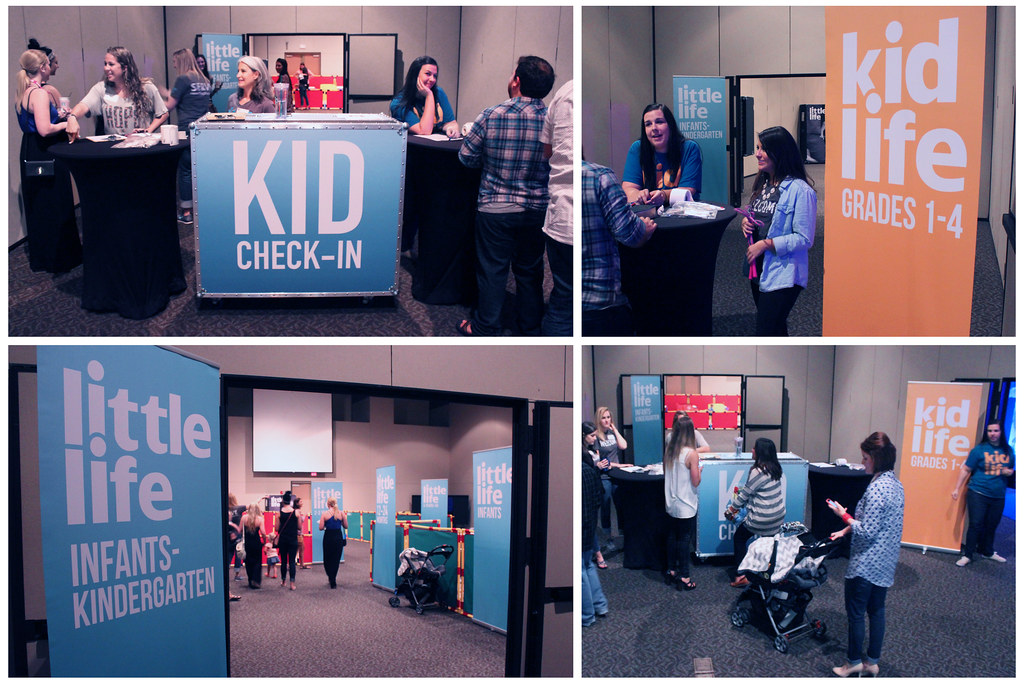
How check-in, pickup, and communication typically work
Because every church’s flow can differ, this section focuses on what to expect in a typical check-in/pickup process—so you’re not guessing when you arrive.
1) Check-in at the start
You’ll generally:
- Sign in your child (often with a name and contact info).
- Receive a matching pickup label or identification method.
- Be guided to the correct age area.
Tip: If your child is shy, ask for a moment to adjust—routines matter, and familiar steps help.
2) Communication during the service
If something needs your attention, volunteers will typically use the contact information you provided at check-in. Some churches also share general updates at appropriate times (for example, at the start or near pickup).
3) Pickup after the lesson
At pickup, you’ll generally present the pickup label/ID you received at check-in. If you have a plan for who will pick up your child, you can ask the volunteer what to do if someone else is coming instead of the usual parent/guardian.
If you want to see more “what’s happening” details for upcoming Sundays, use the church Events page to find the date, time, and any special notes.
Helpful questions to ask a Kids Ministry volunteer
These questions keep your first visit calm and prevent surprises:
- “Which classroom will my child be in?”
- “What’s the usual check-in flow?”
- “How will I be notified if my child needs me?”
- “What should I do if my child is nervous at drop-off?”
- “What does pickup look like?”
If you prefer to ask ahead of time, contact the church team through Contacts.
Ways to help children feel comfortable before and after church
For many children, the biggest shift is the separation routine. The goal is not to “eliminate all nerves,” but to reduce uncertainty and help your child know they’re cared for.
Before you go (simple, low-pressure steps)
- Use a predictable routine: “We check in, we go to your room, and I pick you up after.”
- Practice a calm goodbye: keep it short and consistent.
- Talk about what they’ll do: age-appropriate games, learning time, and fun activities.
After you pick up
When you’re back together, ask one gentle question (not a full interview):
- “What was your favorite part?”
- “Who did you play with?”
- “Was there anything you didn’t like?”
Then, if needed, adjust your approach for next time—more familiarity, more routine, fewer surprises.
Quick first-visit checklist (save this)
| Before drop-off | At check-in | After pickup |
|---|---|---|
| Comfortable clothes Water bottle Personal items (if needed) | Ask which room Follow check-in steps Keep your pickup info | Ask one question Review what went well Reach out if you still have concerns |
If you’d like to connect with the Kids Ministry team or find a plan for the next service you’re considering, start with Kids, Events, and Contacts.
Conclusion
A first visit should feel straightforward. When you know your child’s age group, what to bring, and what check-in/pickup looks like, you can focus on the heart of church—being present together.
Next step: If any detail feels unclear, send a message through our contact page and ask the question you’d rather not hold in your head.