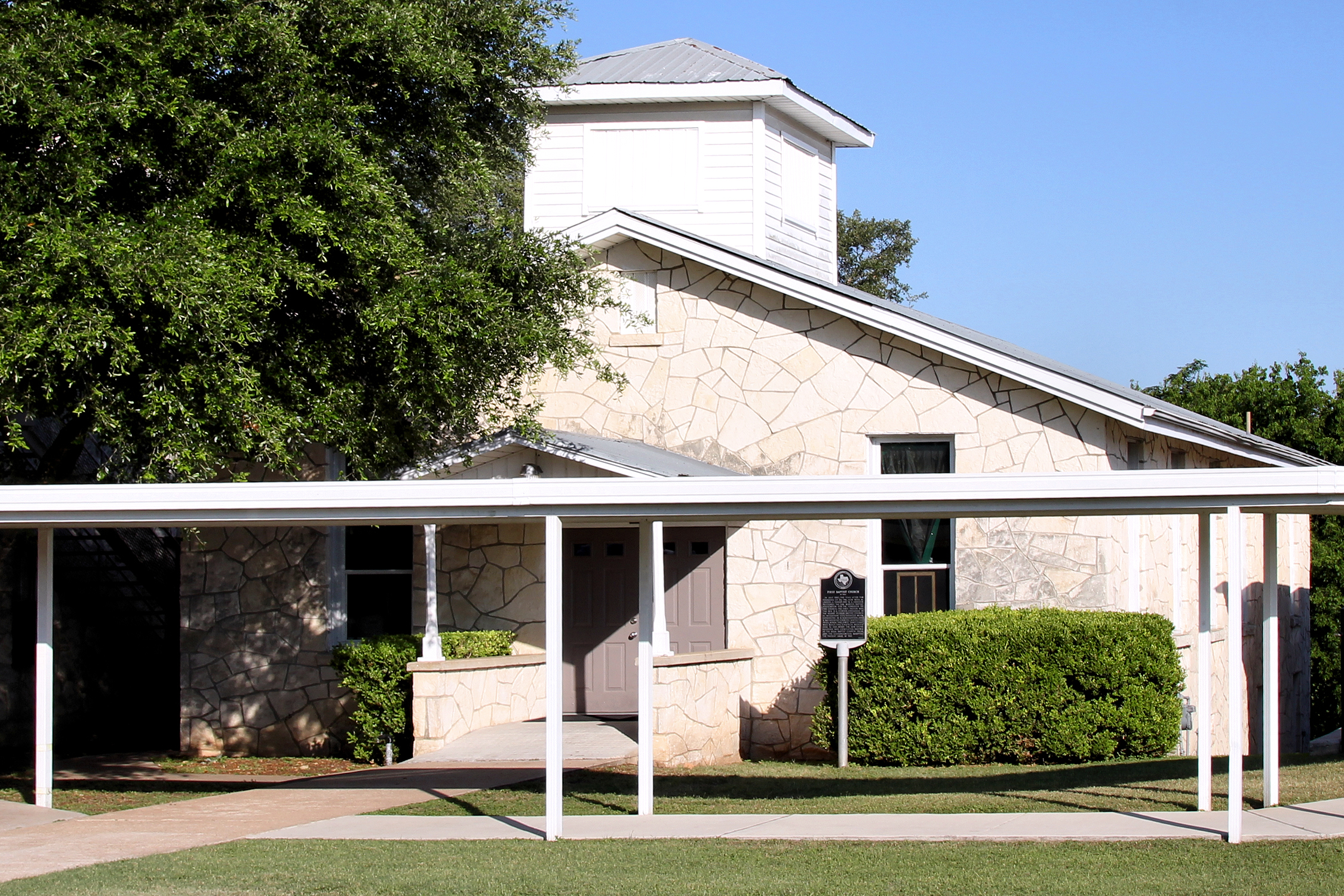
If you are trying to figure out where to begin at Ridgecrest Baptist Church, I would start with one simple question: which ministry fits the season you are in right now?
When people ask where to plug in, the real question is usually more practical than theological: Do I need a place for my kids, a place to learn, a place to serve, or a place to start slowly? That matters because churches work best when the path in is clear. Even outside the church setting, the case for healthy connection is easy to find in plain-language sources like Psychology Today’s overview of loneliness, and the New Testament’s call to gather with purpose is captured neatly in Hebrews 10:24-25 on BibleGateway.
By Rowan Ellis | Updated July 24, 2026
This guide gives you a simple map of the ministries you are most likely to use first at Ridgecrest, how to think through the choice without overthinking it, and who to contact when you want a human answer instead of a guess. If you want the broader church overview, start with the home page. If you already know you want more detail on ministry options, the Ministries page is the next stop. For questions about staff, phone numbers, or directions, the Contacts page is the fastest route.
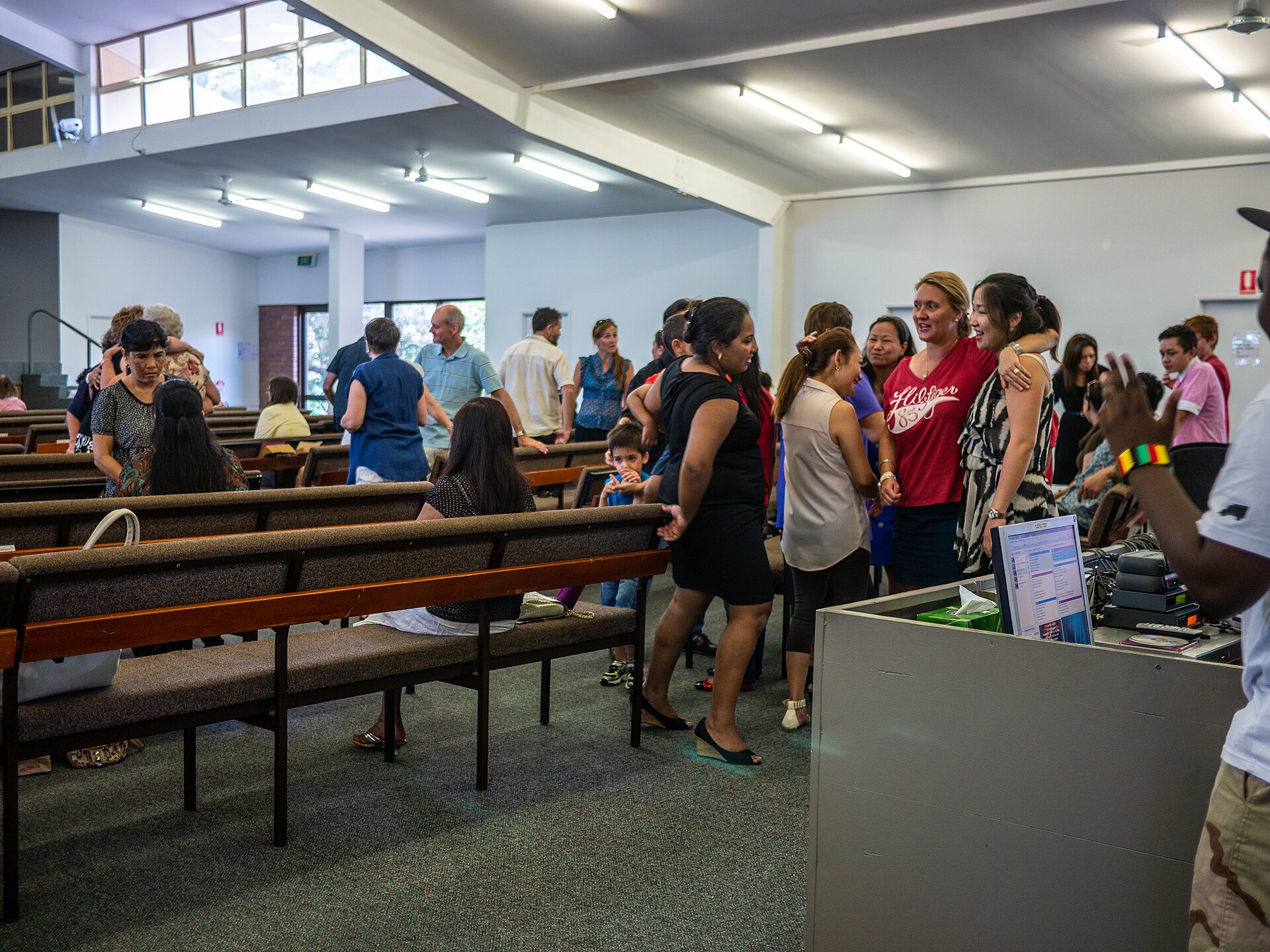
What Ridgecrest ministries are trying to do
At a practical level, the ministries at Ridgecrest exist to help people connect with worship, learning, service, and care without needing to already know the routine. That is a good thing. Most people do not come into a church already knowing the building, the people, or the flow of a Sunday morning. A clear ministry structure makes the first step smaller.
The site’s current structure points to a handful of common entry points: worship support, adult groups, kids, youth, and service. Those are not complicated categories, but they cover most of the reasons people start looking for a ministry. A parent usually wants to know where children belong. A teen needs a place that feels age-appropriate and not awkwardly borrowed from the adults. Someone else may simply want to serve on a team where their time actually helps other people.
That is the useful takeaway: ministries are not meant to be a maze. They are meant to help you find a place where you can participate with some confidence.
A simple view of the main ministry categories
Here is the cleanest way to think about the main ministry areas. You do not need to choose perfectly on the first try. You just need a reasonable starting point.
| Ministry area | Who it usually serves | What it helps with | A good first question |
|---|---|---|---|
| Worship support | Adults who want to help on Sundays | Greeting, seating help, welcome, prayer, and practical support for worship | Where is help needed most right now? |
| Adult groups | Adults and older members who want learning and fellowship | Bible study, discussion, prayer, encouragement, and regular connection | Which group fits my schedule and stage of life? |
| Kids | Families with preschool and elementary-age children | Age-appropriate teaching, safe handoff, and family support | Where do we check in, and what should we know first? |
| Youth | Middle school and high school students | Teaching, relationships, belonging, and student-focused discipleship | What is the easiest first step for a new student? |
| Service and outreach | Anyone who wants to help practically | Meals, setup, special events, care, and behind-the-scenes support | Where can I serve without needing a huge time commitment? |
This is why a ministry page matters. It helps you move from “I know there are options” to “I know where I belong first.” The Ministries page is the obvious place to start if you want the fuller church picture before making a decision.
How to choose without feeling overwhelmed
I think the easiest way to choose a ministry is to ignore the fantasy that you need to get everything right on the first visit. You do not. The better question is which option fits your current responsibilities, energy, and openness to being known by name.
Use these four filters:
- Life stage: Are you looking for something that involves children, students, adults, or the whole family?
- Schedule: Can you realistically attend once a week, once a month, or only on Sundays?
- Comfort level: Do you want to observe first, or are you ready to jump into a role?
- Purpose: Are you looking to learn, serve, receive care, or help other people feel welcome?
If you answer those honestly, the choice usually gets simpler. A parent with young children may begin with Kids and then widen out later. A teenager will often do better in Youth before trying to tag along with adult groups. Someone who enjoys practical help may find worship support or service teams a better fit than a class-based group. There is nothing spiritually shallow about choosing the ministry that matches your current life. In fact, that is usually how people stay connected long enough to grow.
When in doubt, try the closest reasonable option first. If it is not the right fit, you can adjust. Churches are built for people, and people are not static.
What to expect when you visit for the first time
For a first visit, the important thing is not to know every detail. It is to know what kind of experience to expect. Most Ridgecrest ministry spaces should feel welcoming, conversational, and clear enough that you are not left standing in the hallway wondering whether you missed a sign.
A first visit to a ministry often includes a simple pattern:
- A friendly welcome and a quick introduction
- A short explanation of what the group or team does
- A look at the normal rhythm of the meeting or service
- Time for a question or two
- A clear next step if you want to return
That is the ideal. Nothing fancy. Just enough structure to make the room usable.
If you are visiting with children, the published kids schedule gives a very concrete starting point: Wednesday nights from 6:30 to 8:00 p.m., with preschool in the Main Building and children in grades K-5 in the Children’s Building. That kind of detail is useful because it removes one category of uncertainty before you arrive. If you have questions about the exact check-in process, the Contacts page is the right place to ask before you come.
For students, the same principle applies. A youth ministry should not feel like a puzzle built for insiders. It should feel like a place where a new student can arrive, be noticed, and understand what happens next without needing a translation guide.
What each ministry category is good for
Worship support
Worship support is for people who like to help things move smoothly. That can include greeting, helping people find a seat, answering quick questions, caring for practical needs, and making the room easier to enter. Some people serve best in visible ways. Others serve best in the background. Both matter.
If you are the kind of person who notices when someone looks uncertain at the door, worship support may be a natural first step. The role is less about performance and more about attentiveness.
Adult groups
Adult groups tend to work best for people who want regular conversation, Bible study, prayer, and a place to know a few names well. If Sunday morning is the broad gathering, adult groups are often the narrower place where questions get slower, friendships get deeper, and Scripture gets discussed with a little more room to think.
If you are returning after a long break, adult groups can be a gentle re-entry point because they usually reward honesty. You do not have to sound more polished than you are. You just need to show up and listen well.
Kids
Kids ministry serves families who want children to be cared for, known, and taught at an age-appropriate level. For parents, the biggest questions are usually simple: Where do I check in? Who is helping? What happens if my child needs me? That is not paranoia. That is parenting.
The value of a good kids ministry is that it gives children their own place to learn while making it easier for parents to participate in the wider church. If you are new, start by reading the Kids page, then ask the office or staff any remaining question. A clear check-in process is one of the fastest ways to turn uncertainty into confidence.
Youth
Youth ministry is for students who need a place that feels age-appropriate and relational. Teens generally do better when they have room to ask real questions, hear Scripture clearly, and build friendships with leaders who know their names. A strong youth ministry should not feel like a second-rate adult class. It should feel like a place designed with students in mind.
If you are a parent or guardian, the best first question is usually, “What does a first visit look like?” That lets you get details without assuming anything. The Youth page is the natural place to begin, and the Contacts page can handle anything that needs a human answer.
Service and outreach
Some people do not want to start with a class or a group. They want to help. Service ministries are for that kind of person. These roles are often practical, relational, and simple enough that a newcomer can join without needing a semester of preparation first.
Service can include setup, welcome help, event support, prayer support, and other behind-the-scenes work that makes the whole church easier to serve. This is often the ministry track for people who like to do something useful while they get to know the church community.
A short passage like 1 Peter 4:9 on BibleGateway captures the tone well: serve with generosity, and keep it sincere. The point is not polish. The point is care.
How to get connected with the right person
The good news is that Ridgecrest does not leave this buried. The Contacts page lists the church staff and the basic ways to reach the office:
| Role | Name | Why you might contact them |
|---|---|---|
| Senior Pastor | David Rivers | General church questions, pastoral concerns, and big-picture guidance |
| Children’s Pastor | Derreck Fraysur | Questions about children’s ministry, kids check-in, or family support |
| Youth Ministry Director | Kim Rivers | Questions about student ministry and youth participation |
| Preschool / Nursery Director | Delynna Kelley | Questions about younger children and preschool care |
| Ministry Assistant | Kim Rivers | General ministry questions and help getting routed to the right person |
The same page also lists the church phone number, email, and address: 1-405-387-2811, [email protected], and 1118 S. Sara Road, Blanchard, OK 73010. If you are trying to ask a basic question, you do not need a long message. A short note is enough: who you are, which ministry you are asking about, and whether you want someone to call or email back.
If you prefer to see the general layout before you contact anyone, the home page and Church Map are helpful for orientation. The Events Calendar is also useful if your question is tied to a specific date or program night.
How to ask a good first question
You do not need a polished speech. A simple question is usually better. If you are unsure what to say, use one of these:
- “We are new. Which ministry should we start with?”
- “What does a first visit look like for kids or youth?”
- “Who should I talk to if I want to serve?”
- “Can you point me to the right person for our family?”
- “What page should I check if I need the latest details?”
Those questions are plain, respectful, and useful. Staff and volunteers usually appreciate them because they make it easy to help quickly.
If you are more comfortable starting online, use the Contacts page first and then follow up in person. That is a perfectly normal way to begin. Not every connection has to start with a handshake in a hallway.
For new families and returning members
If you are new to Ridgecrest, or you are returning after a long gap, it helps to remember that ministry is not a test. You are not arriving to prove anything. You are arriving to find your place.
For new families, the goal is usually stability: find the right check-in, the right room, the right staff contact, and the right weekly rhythm. For returning members, the goal may be simpler: reconnect with one ministry before trying to reconnect with everything at once. Either path is fine.
That approach fits the pattern you see in Scripture and in healthy community life more broadly. The point of gathering is not to show up perfectly formed. It is to keep showing up, learning names, and letting steady relationships do their quiet work over time. If you want a plain reminder of that rhythm, Acts 2:42-47 on BibleGateway gives a good picture of shared life, teaching, prayer, and fellowship.
And if you need a non-church reminder that connection matters, the general discussion of belonging and social support in Psychology Today’s loneliness overview makes the same basic point in another language: people do better when they are not trying to do life alone. Churches should be the kind of place that makes that easier, not harder.
A simple path forward
If you want the shortest possible plan, use this one:
- Start with the Ministries page.
- Pick the category that fits your life stage or service goal.
- Check the Contacts page for the right staff member or office number.
- If children or students are involved, open the Kids page or Youth page next.
- Visit once, ask one clear question, and decide whether to return.
That is usually enough. You do not need to map the whole church in a single afternoon. You only need one clear next step.
A few realistic starting points
It can help to imagine a few common situations. A young family may begin with Kids because that is the most immediate need and the clearest weekly rhythm. A parent with a middle-schooler may start with Youth and then ask about where adults tend to gather for study or service. A long-time member who wants to reconnect may start with worship support or a simple service role because those are often the easiest places to rebuild a habit of showing up.
None of those paths is better in a moral sense. They are just different ways to enter the same church family. The point is to make the first step obvious enough that you will actually take it. Small, sensible steps tend to beat dramatic intentions that never quite make it into the car.
If you are still deciding, ask yourself one more question: where would I be most likely to return next week? That answer is often more useful than a theoretical “best fit.” A ministry you can return to is usually more helpful than one that sounds impressive on paper.
Useful takeaway: Ridgecrest ministries are easiest to navigate when you begin with your actual need, not with the idea that you should already know the system. Start where you are, ask a direct question, and let the church help you take the next step.
If you are ready to move from reading to acting, begin with the Contacts page and the Ministries page. If you are bringing kids or students, check those pages first. If you are simply trying to get oriented, the home page and Church Map will help you get the shape of the campus before you arrive.