Prayer isn’t reserved for Sundays or emergencies. It’s the steady way we learn to bring real life—our worries, gratitude, questions, and hopes—back into the presence of God.
When you search for prayer, you might be asking: What does prayer actually look like day to day?
How can it fit into a busy schedule?
What do we do when words feel small?
Where can I find help and guidance?
As the Bible Gateway overview materials remind us, prayer runs through Scripture as both conversation with God and a shaping practice for daily life.
It’s easy to treat prayer like a “big moment” habit. But Scripture presents prayer as a rhythm—something that grows as we practice it. For a clear example of that broader rhythm, the apostle Paul encouraged believers to develop steady habits of prayer and gratitude (see 1 Thessalonians 5:16–18).
In this article, you’ll learn what prayer is, how it shapes the way we live, practical ways to incorporate prayer into ordinary days, and the prayer-focused resources available through Ridgecrest.
Table of Contents
- Defining prayer and its purpose
- How prayer shapes our lives
- Ways to incorporate prayer daily
- Prayer resources available at Ridgecrest
Defining prayer and its purpose
What prayer is
Prayer is communication with God. It can include asking, thanking, confessing, listening, and expressing trust—even when we don’t have polished words. In practice, prayer is less about performing and more about participating: bringing your honest heart to God and letting that relationship shape your next step.
What prayer is for
Prayer serves several purposes at the same time:
- It draws us back to God when our attention drifts.
- It builds trust because we learn to rely on God’s character, not only on our circumstances.
- It forms our desires as we ask for what aligns with God’s heart.
- It reminds us we’re not alone—even in private moments.
Key terms in plain language
If you ever feel like prayer language is confusing, you’re not alone. Here are three simple terms you’ll see often:
- Request: asking God for help (big and small).
- Thanksgiving: naming what God has done and what you’re grateful for.
- Listening: taking time to notice what Scripture, prayer, and wise counsel point you toward.
How prayer shapes our lives
Prayer changes what we focus on
When we pray, we practice choosing attention. Instead of only replaying problems, we learn to speak them out—and then to hold them in the light of God’s presence. That doesn’t remove every difficulty instantly, but it changes the direction our thoughts go.
Prayer reshapes how we respond
Have you ever noticed how anger, fear, and worry often “run the meeting” inside our heads? Prayer interrupts that pattern. It’s a way of saying: “God, this is what’s happening in me—and I want to respond with Your wisdom.”
Prayer teaches us to hope
Hope isn’t pretending everything is fine. In Scripture, prayer is closely connected to endurance—continuing to trust God as life unfolds. That kind of hope grows when we return to God repeatedly, not only when we feel strong.
Example: Imagine your week fills up so quickly that you skip meals, forget to check in with family, and carry tension into every conversation. A few minutes of prayer before the day begins can change the “tone” of how you handle the rest of the hours—helping you remember people matter, not just tasks.
Ways to incorporate prayer daily
Prayer doesn’t have to be complicated. Think in rhythms you can actually keep. Below are several ways to build a daily pattern—even on weeks when you feel stretched thin.
1) Use a “first-thing” check-in (2 minutes)
Before your feet hit the floor, pause and pray something simple:
- Thank God for one thing you can name.
- Ask for help with the biggest challenge of the day.
- Ask God to guide your attitude in whatever you’ll face.
2) Turn short moments into honest prayers
You can pray while you wait. While you’re driving, washing dishes, or walking into a room—offer a brief prayer. Short prayers count because the practice is relational: you’re turning toward God.
3) Pray with Scripture close by
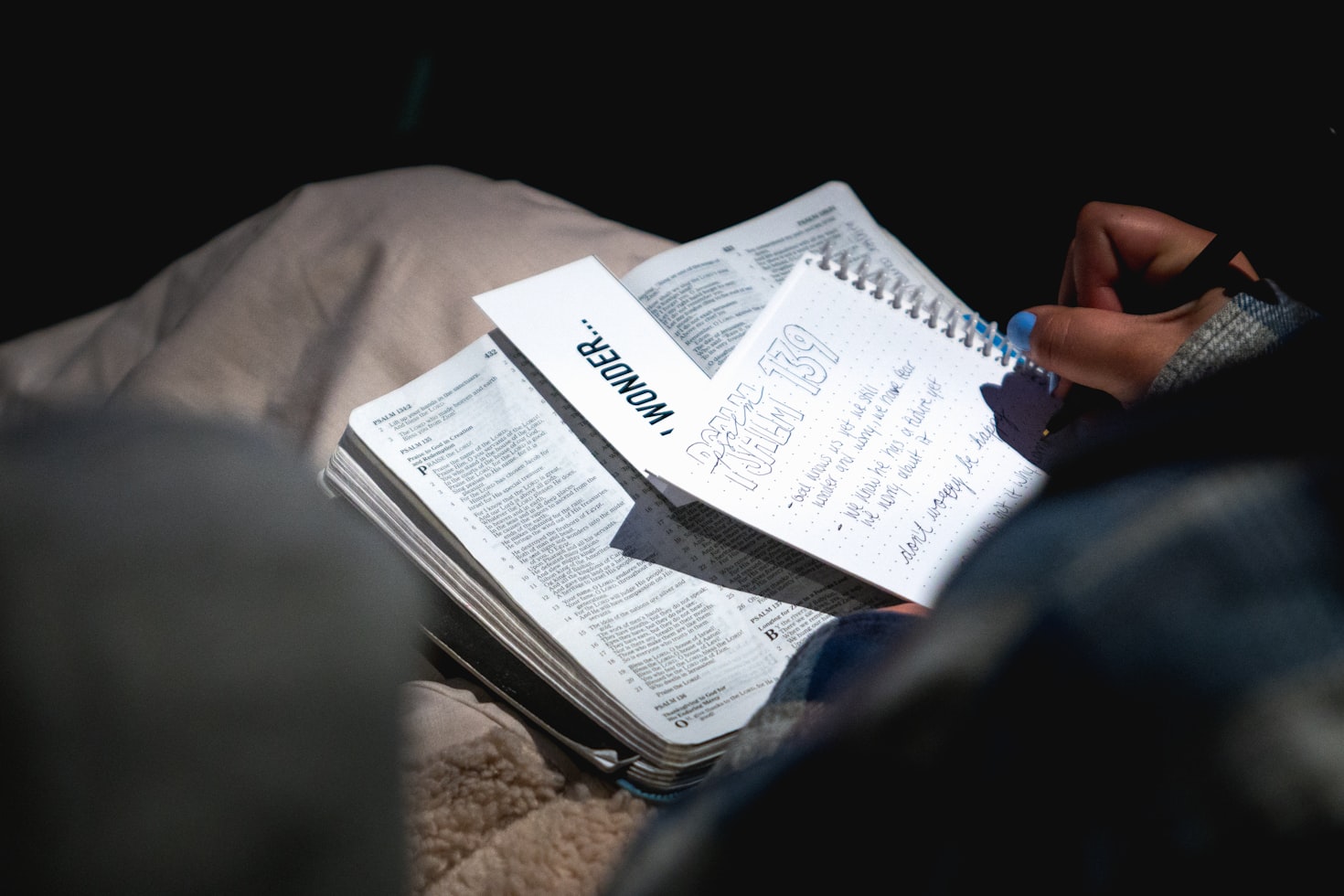
If words don’t come easily, start with a passage that matches your feelings. For example, you might use the themes of trust and reassurance found across the Psalms. A practical approach:
- Read one short section.
- Write (or speak) one line you relate to.
- Turn it into a request: “God, help me live this today.”
4) Create a “night prayer” wrap-up (3–5 minutes)
At the end of the day, prayer can become a gentle review:
- Thank God for one moment you would like to remember.
- Confess one thing you need to let go of.
- Ask for peace as you rest.
5) Pray for other people on purpose
One of the easiest ways to deepen prayer is to pray for people by name: family members, classmates, coworkers, and members of your church community. If you’re not sure where to begin, start with three names for the week and keep a short list.
Prayer resources available at Ridgecrest
Prayer grows faster when it’s supported by community and clear next steps. At Ridgecrest, you can find help through the church resources and contact paths that make it easier to share requests and receive encouragement.
- Learn more about Ridgecrest: About Us
- Explore prayer-related support and other helpful content: Resources
- Send a request or question: Contact
A simple way to get started
If you’re not sure how to share a prayer request, begin with three details:
- What you’re asking for (as clearly as you can).
- Any timing that matters (today, this week, or ongoing).
- Whether you’d like follow-up or prayer only.
Moving forward: pick one daily rhythm from this article, try it for a week, and keep the bar low. The goal isn’t impressing God with performance—it’s staying connected in love and trust.
Key takeaways:
- Prayer is communication with God—requests, thanksgiving, and listening.
- Prayer shapes our focus and reshapes our responses to daily stress.
- Small, consistent practices make prayer sustainable.
- Community support helps requests stay cared for and remembered.
If you’d like guidance or want to share a request, you can reach out through our Contact page.