Sunday is more than a time on the calendar—it’s a chance to meet God, worship together, and leave encouraged for the week ahead. This guide shares practical ways to get the most out of Ridgecrest Sunday services.
When you search for a Sunday-service guide, you’re probably asking: What should I expect when I arrive? How do I participate if I’m still getting comfortable? and What’s next after the service? Those questions matter, because clarity reduces friction—and worship flows more smoothly when you know what’s coming.
According to research on learning and attention, people understand and remember more when information is organized and prompted. That’s one reason a clear worship order, welcoming next steps, and simple cues help everyone engage—especially first-time guests. (American Psychological Association: attention & learning principles.)
By the end of this article, you’ll have a simple game plan for Sunday—what to do when you arrive, how to engage in worship and the sermon, and where to find fellowship afterward.
What to expect during a service
Each Sunday has its own rhythm, but most services follow a similar flow. Knowing the path helps you feel settled sooner and participate more naturally.
- Welcome and introductions — Greeters help you find your way, and the service begins with a clear focus.
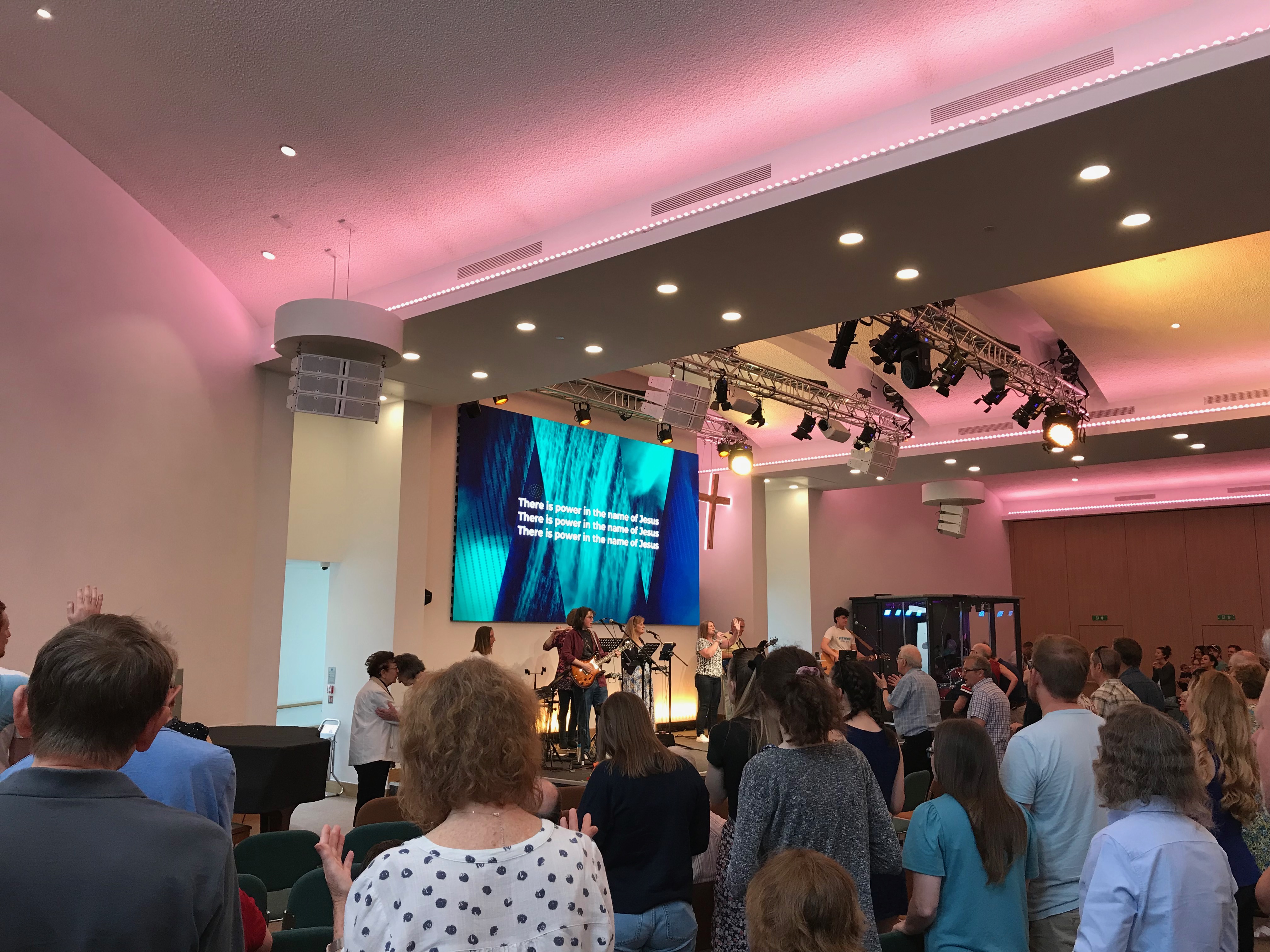
- Worship and music — You’ll have a chance to sing, pray, and reflect together.
- The message — The sermon connects Scripture to real life, with time for you to think, take notes, and respond.
- Prayer — Often includes prayers for the needs of the church and community.
- Next steps — You’ll be invited to connect further—through questions, ministry opportunities, or fellowship.
Tip: If you’re visiting, it’s okay to arrive with a “quiet plan.” You don’t have to know everything—you just need a few landmarks.
Looking ahead? Check events before Sunday so you know what’s coming next.
Tips for arriving early and settling in
Arriving a bit early helps your brain move from “What am I walking into?” to “I’m present.” Here are simple steps that work for individuals and families.
1) Give yourself 10–15 minutes
Use that time to park, enter comfortably, and locate restrooms/seating without rushing. If your family needs extra time, that’s not a problem—that’s just care logistics.
2) Choose one helpful point of contact
If you don’t know where to start, start with a greeter or an usher. Ask one clear question like, “Where should I sit?” or “Is there a place for first-time visitors?”
3) If you have kids, plan the handoff
When kids move to children’s ministry, ask about check-in and where pickup happens afterward. For more info, see Kids.
4) If you need accessibility or assistance, ask early
If you’re navigating mobility needs, sensory needs, or anything that would help you participate, you can reach out ahead of time through contact.
How to participate actively in worship and sermons
Active participation doesn’t have to look like “knowing the answers.” It can look like listening well, praying honestly, and responding thoughtfully.
1) Let worship be more than performance
During songs, try reading the words and choosing one line that feels meaningful. You don’t have to sing loudly to participate.
2) Listen for the sermon’s main idea
When a message has a clear point, your focus gets easier. Jot down:
- The main idea (one sentence)
- One Scripture reference
- One takeaway you can apply this week
If you like structured note-taking, learning and teaching guidance suggests that turning ideas into your own summary can strengthen retention over time. (Vanderbilt University Center for Teaching: active learning and discussion strategies.)
3) Pray while you listen
Quiet prayer is still prayer. If you’re not sure what to pray, ask God for help with what you heard: “Help me believe this. Help me live it.”
4) Ask questions after the message
If something landed and you want clarity, that’s a good sign. Write the question down and follow up through contact, or look for opportunities to connect during/after the service.
5) For youth and teens, plan a belonging moment
If your teen is new or unsure where they fit, help them find a person. Youth groups often feel easier when a teen knows one or two names ahead of time. See Youth for what’s available.
Post-service fellowship opportunities
Worship doesn’t end when the service ends. Fellowship is where relationships begin—and where questions get answered naturally.
1) Stay a few minutes (even if it feels awkward)
It’s okay if you start small. A simple greeting—“I’m glad you’re here”—can be the doorway to real connection.
2) Use the next-step invitations you’re offered
If you’re told about a ministry, study, or event, don’t wait for perfect confidence. Choose the one that feels closest to your current season—and take that step.
3) Find your family’s home base
Families often connect through kids events, ongoing ministry gatherings, and community activities. Browse events and keep an eye on updates in News.
4) Get help if you didn’t get your question answered
If you left still wondering, that’s normal. Reach out with what you’re trying to understand and include the service date if you can. The next step is simple: send a message.
A simple Sunday checklist (print-friendly)
| Before Sunday | Sunday morning | After the service |
|---|---|---|
| Check the Events Calendar for any key details | Arrive 10–15 minutes early | Greet someone and ask one question |
| Plan kids check-in and pickup timing (if applicable) | Pick one greeter/usher to ask for help | Look for the next-step invitation that fits your season |
| Contact ahead if you need accessibility support | Worship with one meaningful line and pray during the message | Browse News and follow up via contact |
Ready to take a next step? Visit About Us to learn more about Ridgecrest Baptist Church, then browse upcoming events and reach out through contact if you have questions.
External resources: APA on attention and learning, and Vanderbilt on teaching strategies.