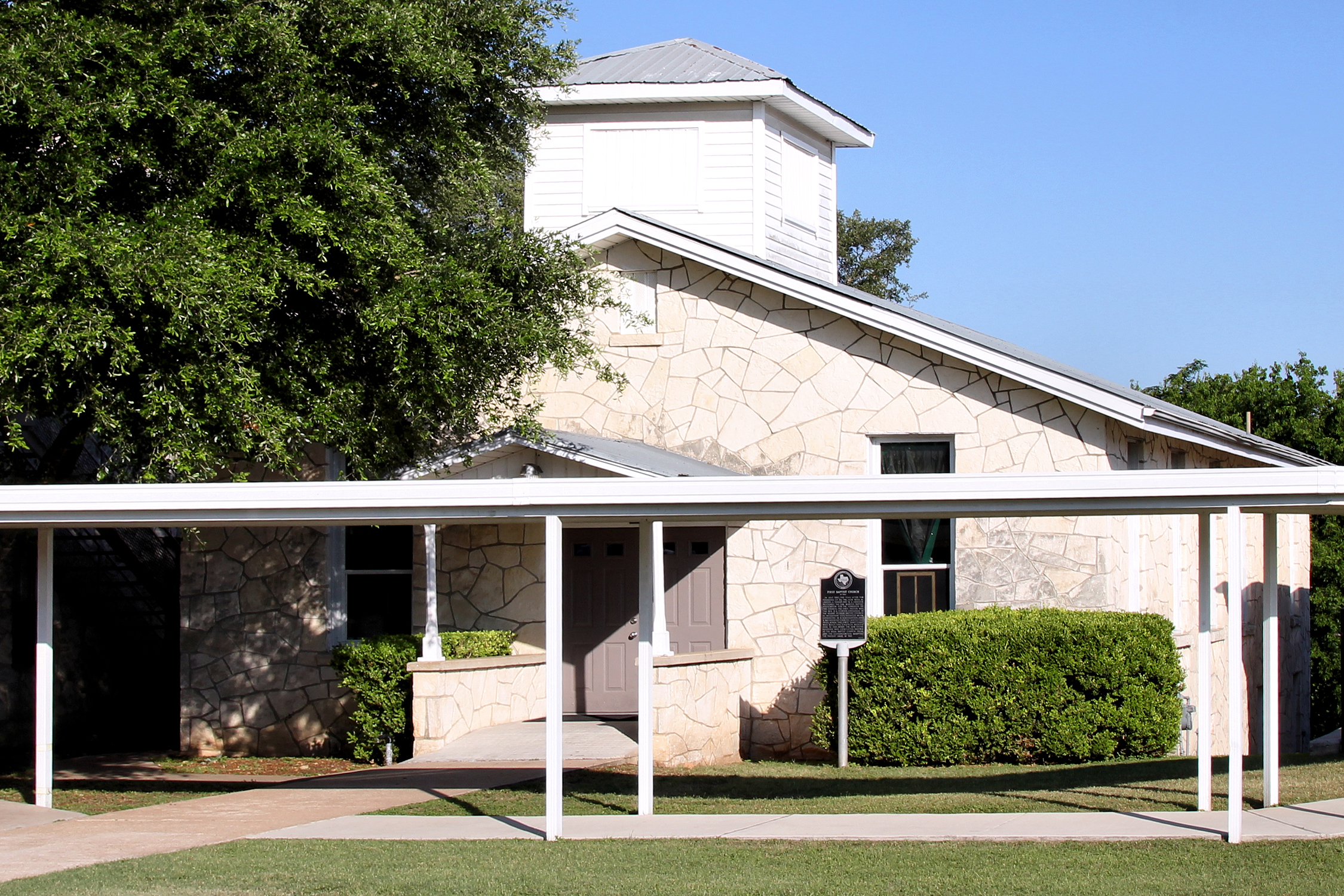
Church events can do more than fill a calendar. They create a place to listen, serve, learn, and notice who is standing nearby. That is the part people sometimes miss: the event itself matters, but so does the way you show up for it.
If you want a practical starting point, begin with the church events page, then look at the event type, the time, and the people it is meant to serve. Ridgecrest also keeps helpful background on the About Us page, and you can always use Contact if you need a question answered before you arrive.

Overview of typical church events
Most church calendars include a mix of worship services, community service projects, social gatherings, and educational programs. Each one asks a little something different from you. A Sunday service asks for attention and worship. A volunteer project asks for hands and a willing spirit. A fellowship meal asks for conversation. A class or study asks for curiosity and follow-through.
- Worship services: useful for corporate prayer, teaching, and shared worship.
- Community service projects: often focused on helping neighbors, schools, families, or local ministries.
- Social gatherings: designed to help people meet, relax, and build trust over time.
- Educational programs: Bible studies, classes, or training moments where questions are welcome.
One simple test helps here: ask what the event is trying to form in people. If the answer is worship, service, fellowship, or learning, you can usually guess how to participate well before you walk in.
Tips for attending and participating
The most useful habit is also the least dramatic: arrive early. A few extra minutes give you space to find a seat, read the room, meet someone nearby, and settle your attention. Church events tend to feel less awkward when you are not rushing in at the last second.
Once the event begins, participate in the parts that are clearly open to you. Sing when singing is part of the gathering. Ask a question when the format invites it. Help stack chairs, set out snacks, or clean up if the event needs volunteers. Small acts of readiness often matter more than grand gestures.
- Bring a notebook, Bible, or phone notes app if the event includes teaching.
- Wear something comfortable and respectful for the setting.
- Stay attentive when instructions are given, especially for service projects or youth/family events.
- Be open to a new format, even if it feels unfamiliar at first.
If you are unsure what is expected, ask a volunteer or leader before the event starts. That is not awkward; it is efficient. Most church leaders would rather answer a simple question early than guess later.
How to connect with others at events
Connection rarely starts with a perfect introduction. A brief, honest conversation usually does the work. Say your name, mention whether you are new or just getting back into a rhythm, and ask one straightforward question: “How long have you been involved here?” or “What brings you to this event?”
If you want a steadier connection, look for the places where relationships naturally form: small groups, ministry teams, committees, and recurring classes. One-time events are good for first contact; repeated settings are where names turn into friendships.
Two outside references may help if you want a broader framework for community participation and volunteer life. VolunteerMatch offers practical guidance on getting involved in service opportunities, and the Barna Group’s research on churchgoer expectations highlights why relational connection and clear communication matter so much in church settings.
- Introduce yourself to at least one person you do not already know.
- Ask whether there is a recurring group or next step connected to the event.
- Follow up with a brief message if you exchanged contact information.
- Consider serving again if the event was meaningful; repetition builds familiarity.
Post-event follow-up opportunities
What happens after the event often determines whether the event becomes a one-time experience or the start of real involvement. A short thank-you note to organizers is a good start. It does not need to be formal. A simple message that names what was helpful is enough.
It also helps to review what you noticed. Did the event clarify something about the church’s mission? Did you meet someone worth following up with? Did you discover a ministry or service opportunity that fits your gifts? Writing down those answers keeps the moment from disappearing into a busy week.
If the event pointed you toward a next step, take it while it is still fresh. Visit the events page again for the next gathering, check the About Us page for context, or use Contact to ask where you should go next. Useful follow-up is often just careful momentum.
Practical takeaway: the best church event attendance is active, not passive. Arrive with room to listen, join in where you can, meet someone new, and follow up afterward. That pattern turns a calendar item into part of your life with the church.