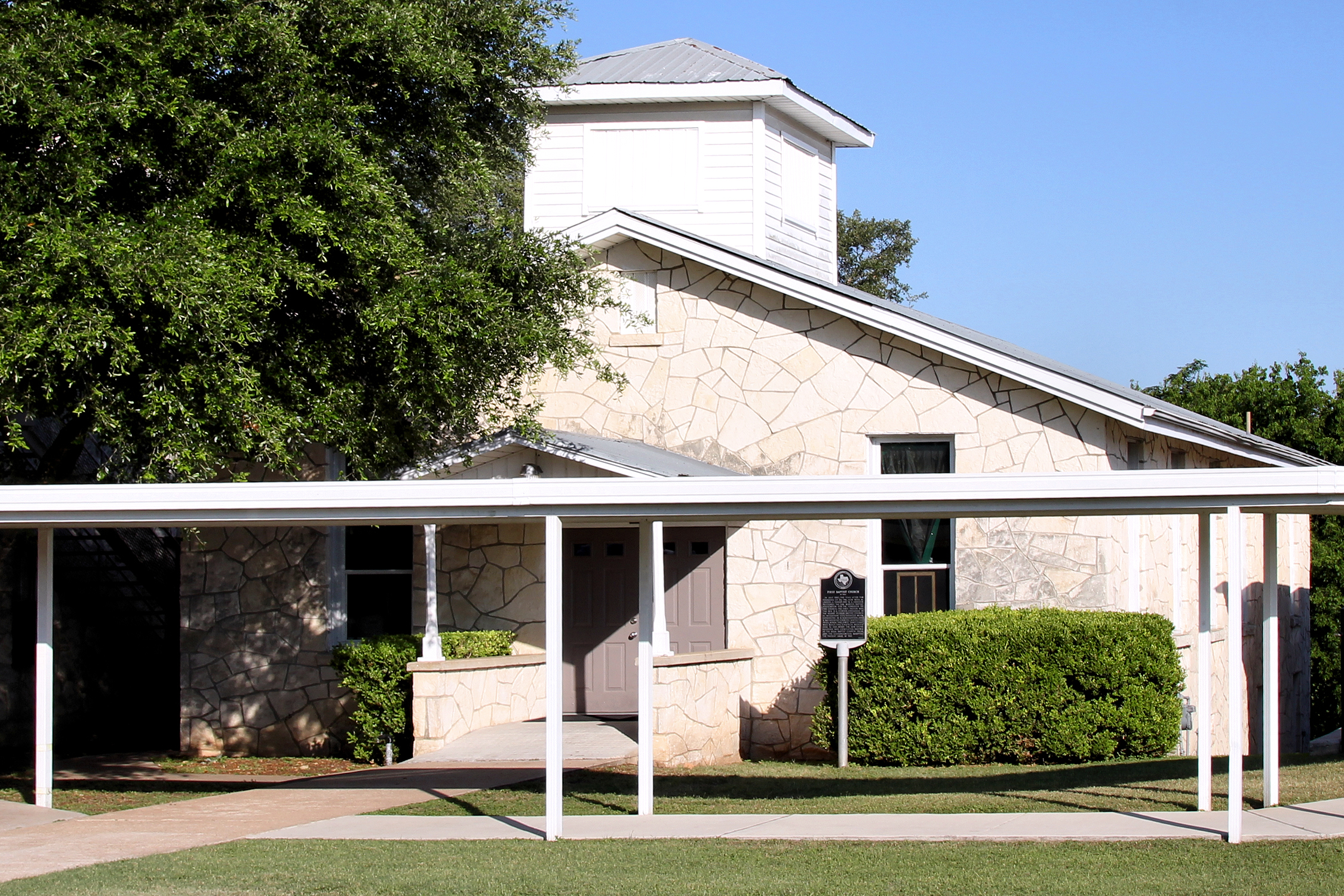
A first church visit should not require guesswork. The safest plan is simple: arrive a little early, find the welcome area, ask one clear question at a time, and leave with one next step. That keeps the visit calm, even if you are new to church or returning after a long gap.
If you are wondering who Ridgecrest Baptist Church is, where you should go on campus, what to do if you have children, or who can answer a question after the service, this guide is built for that. It gives you a steady visit plan so you can walk in with more confidence and less pressure.
The Events Calendar and News pages can help you confirm what is happening that week, but the bigger goal is simpler: know where to go, know who to ask, and know what is optional. If you want a broader baseline on public access and accommodations, the ADA National Network and the U.S. Department of Justice ADA page are useful reference points.
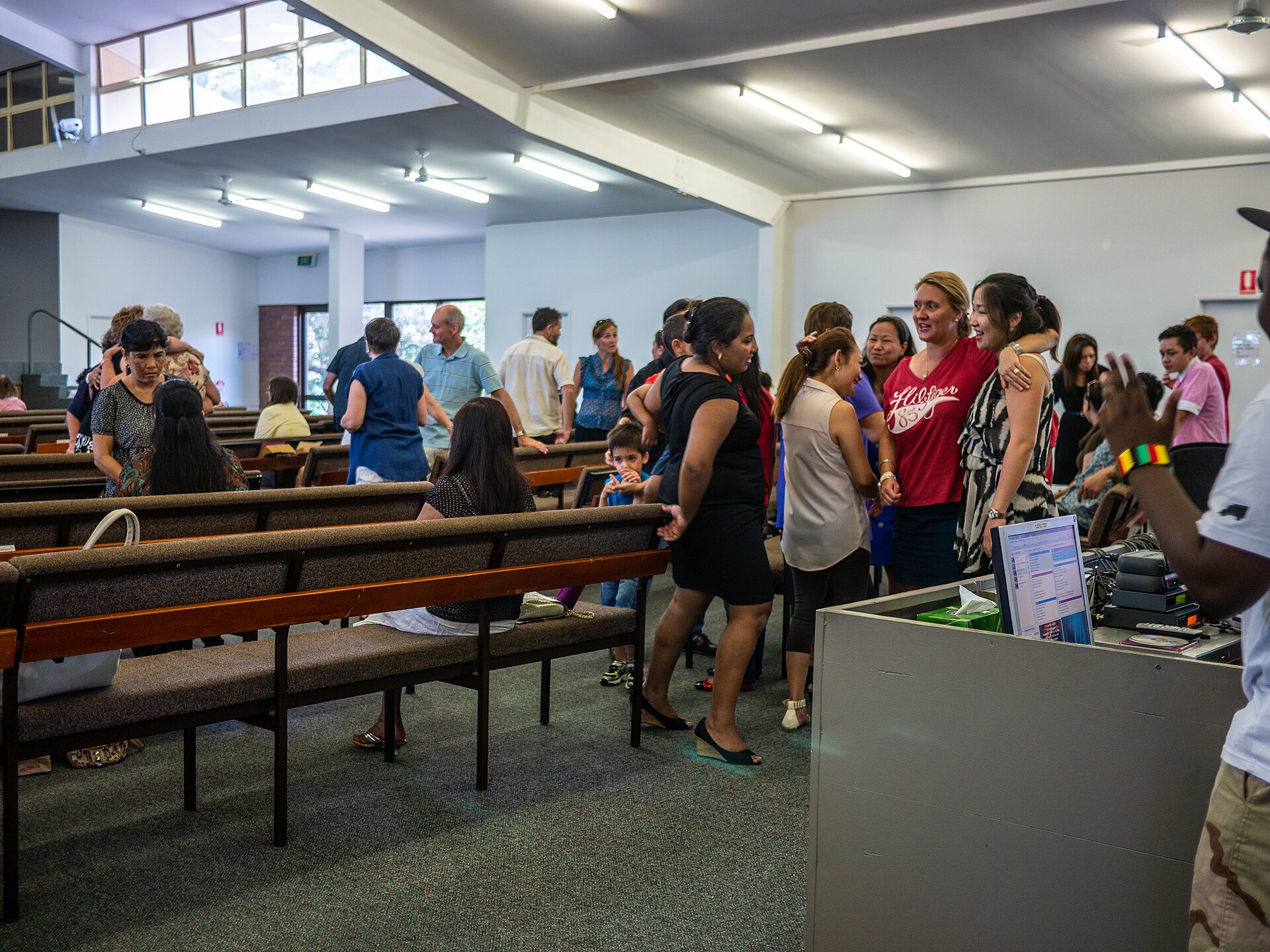
Start Here: Arrive with Confidence
Arrive 10 to 15 minutes early if you can. That gives you time to park, find the entrance, and ask about kids check-in or seating before the service begins. If you are running late, do not turn the car around. Walk in anyway, find the welcome team, and let them help you settle in.
Look for clearly marked parking spaces, an obvious main entrance, and any accessible parking close to the door. If you need a quieter path into the building, use the easiest entrance rather than trying to solve the whole campus map at once. One clear door is better than three uncertain ones.
- Bring the people who are coming with you, not a perfect plan.
- Have a phone with enough charge to open the website if needed.
- Know whether you are checking in children before you enter the sanctuary or after you speak with a greeter.
- If you use a mobility aid, hearing support, or need extra time, mention that early.
If you want a quick preview of the church’s broader rhythm, the home page is the shortest place to start. It gives you the main navigation without forcing you to hunt through every page.
Your First 10 Minutes: Where to Go When You Walk In
When you walk in, do not try to decode the whole building on your own. Go to the welcome area first. That is where a greeter, usher, or hospitality volunteer can point you in the right direction with the least amount of friction.
The basic flow is usually simple:
- Enter and pause at the welcome area.
- Ask where the main gathering space is.
- Ask whether your family needs to check in anywhere.
- Find seating before the service starts.
- Keep a note of the person or room you may want to revisit after the service.
If you have children, ask where the kids check-in happens before you head into worship. If you have youth with you, ask whether they stay with you in the main service or have their own room or meeting space that morning. The point is not to memorize every hallway. The point is to reach the right door once.
| What you need | Who to ask | Why it helps |
|---|---|---|
| Main sanctuary or worship space | Greeter or usher | Gets you seated without wandering the building |
| Children’s check-in | Welcome team or kids ministry volunteer | Helps parents handle pickup and safety details early |
| Youth room or meeting area | Youth leader or hospitality team | Reduces confusion for older children and teens |
| Accessibility support | Any greeter or staff member | Lets the team help before a small issue becomes a delay |
What to Ask a Greeter or Hospitality Team
Greeters are there to answer practical questions. Keep the questions short and direct. You do not need to explain your whole life story before asking where to sit.
Good first questions include:
- Where is the main worship service?
- Where should first-time guests go?
- Is there a kids check-in area?
- Where do I take my child after check-in?
- Who should I talk to if I have a question after the service?
- Is there anything I should know about today’s order of service?
If you feel awkward asking out loud, bring the question down to one sentence. That is enough. The person helping you does not need a polished speech. They need a starting point.
Use the greeter to solve the immediate problem, not the whole month. You can always come back later for ministries, events, or next-step conversations.
How to Follow Along During Worship
Once you are seated, your job is to observe and participate at a comfortable pace. If the service uses printed materials, a screen, or announcements, follow along with what is in front of you. If you do not know whether to stand, sit, sing, or remain quiet, it is fine to watch first and join when you are ready.
Many first-time visitors worry that they will do the wrong thing at the wrong moment. That is a common worry, and it is usually smaller than it feels. Most churches would rather have a calm guest than a tense one. Stay present, listen, and let the room teach you the pattern.
A few practical habits help:
- Keep your phone on silent.
- If you use a printed bulletin, hold on to it until the service ends.
- When announcements are given, note anything that might matter to your family.
- If you miss part of a cue, do not panic. Rejoin at the next obvious moment.
If you want a better sense of the setting before you visit, the News page and Events Calendar are the best places to check. They are more useful than guessing what a Sunday will contain.
After the Service: The Best Next Steps
After the service, do not rush out if you want to connect with someone. A short introduction is enough. You can say, “This was my first visit,” and let the conversation stay there. The next step may be a name, a card, a prayer request, or simply knowing where to return next time.
Here is a simple post-service plan:
- Introduce yourself to one person near you.
- Ask where questions should go if you want to come back.
- Learn whether there is a pastor, leader, or volunteer available after the service.
- Take note of any event or ministry that might be worth a second visit.
If you want to move from a first visit to a second one, the safest path is to keep it small. Check the Events Calendar, read the News page, and send one clear message through Contacts if you still have a question.
If You Have Kids or Youth: Who to Talk To
Parents and guardians carry a second checklist. That is normal. You need to know where children go, who checks them in, how pickup works, and whether there are age-specific rooms or activities. Ask those questions early, before the service starts, so you are not solving them with a child in one hand and a bulletin in the other.
Use this order:
- Ask where the kids check-in area is.
- Ask who can explain pickup and room assignment.
- Ask whether youth stay in the main service or move elsewhere.
- Ask what to do if you need to reach your child during the service.
If you want to review the page first, the Kids page is the easiest place to start, followed by Youth for older students. Those pages can give you the language you need before you walk in.
Accessibility and Comfort Questions to Consider
A good visit plan includes comfort questions, not just worship questions. If you need a restroom location, seating near an aisle, a quieter space, or help hearing what is being said, ask before the service starts. A few seconds of conversation is better than ten minutes of uncertainty.
Questions worth asking:
- Where are the restrooms?
- Is there seating that is easier to reach?
- Can I sit near the back, aisle, or front if that helps?
- Is there hearing support available?
- Who can help if I need to step out during the service?
Accessibility should never feel like a special favor. If you need something simple and specific, ask for it directly. The earlier you ask, the easier the rest of the visit becomes.
If you want background on access planning and public accommodations, the ADA National Network and the U.S. Department of Justice ADA page are solid references. They are not a replacement for asking the church itself, but they do explain why clear access matters.
Common Worries Answered
What if you are late? Walk in calmly, find a greeter, and ask where to sit. Do not treat lateness like a failure mode. It is just a delay.
What if you do not know what to do? Then ask. That is exactly why the welcome team exists. Most people would rather answer a small question than watch a guest guess in silence.
What if you are unsure about giving? You do not need to solve that on a first visit. Give if you want to, observe if you are still deciding, and keep the focus on understanding the church. A visit is not a transaction.
What if you want to leave quietly? That is fine too. A first visit does not obligate you to stay for a long conversation. Sometimes the right next step is simply to return another time with a better map.
One-Week Follow-Up
If the visit felt worth repeating, spend one week doing three small things: check the News page for updates, review the Events Calendar for anything that fits your schedule, and use Contacts if you still need an answer. That is enough to move from “I visited once” to “I know what to do next.”
Key points to remember:
- Arrive early enough to ask one or two questions without rushing.
- Go to the welcome area first.
- Use short, direct questions with greeters or hospitality volunteers.
- Ask about kids, youth, seating, and accessibility before the service begins.
- Follow up with News, Events, and Contacts after the visit if you want to return.
That is the whole plan. No extra ceremony required.