Church community isn’t a nice extra—it’s part of how faith grows in real life. When people gather, pray together, and learn each other’s names, encouragement becomes repeatable and lasting change becomes possible.
As you search for a reason to join in, these questions usually show up:
- What does “church community” actually mean beyond attending services?
- How does belonging affect my personal faith and day-to-day resilience?
- What if I’m shy, new, or not sure where to fit?
- How do I take the next step without feeling pressured?
Christian community has always been central to the New Testament picture of discipleship. In Scripture (for example, Acts 2:42–47 and Hebrews 10:24–25), believers are shown learning, serving, and encouraging one another together. It’s also the basic logic behind how many faith traditions describe “one another” discipleship: growth is meant to happen with other people, not just through private reflection.
In this article, you’ll learn what church community is, why support, accountability, and friendship matter, and how Ridgecrest members practice deeper involvement through real groups and events.
What Is Church Community?
Church community is more than a crowd on a Sunday. It’s the ongoing network of relationships where people:
- show up for each other (especially when life is heavy),
- grow together in the faith through teaching and shared practice, and
- share responsibility for the health of the church—through prayer, service, and care.
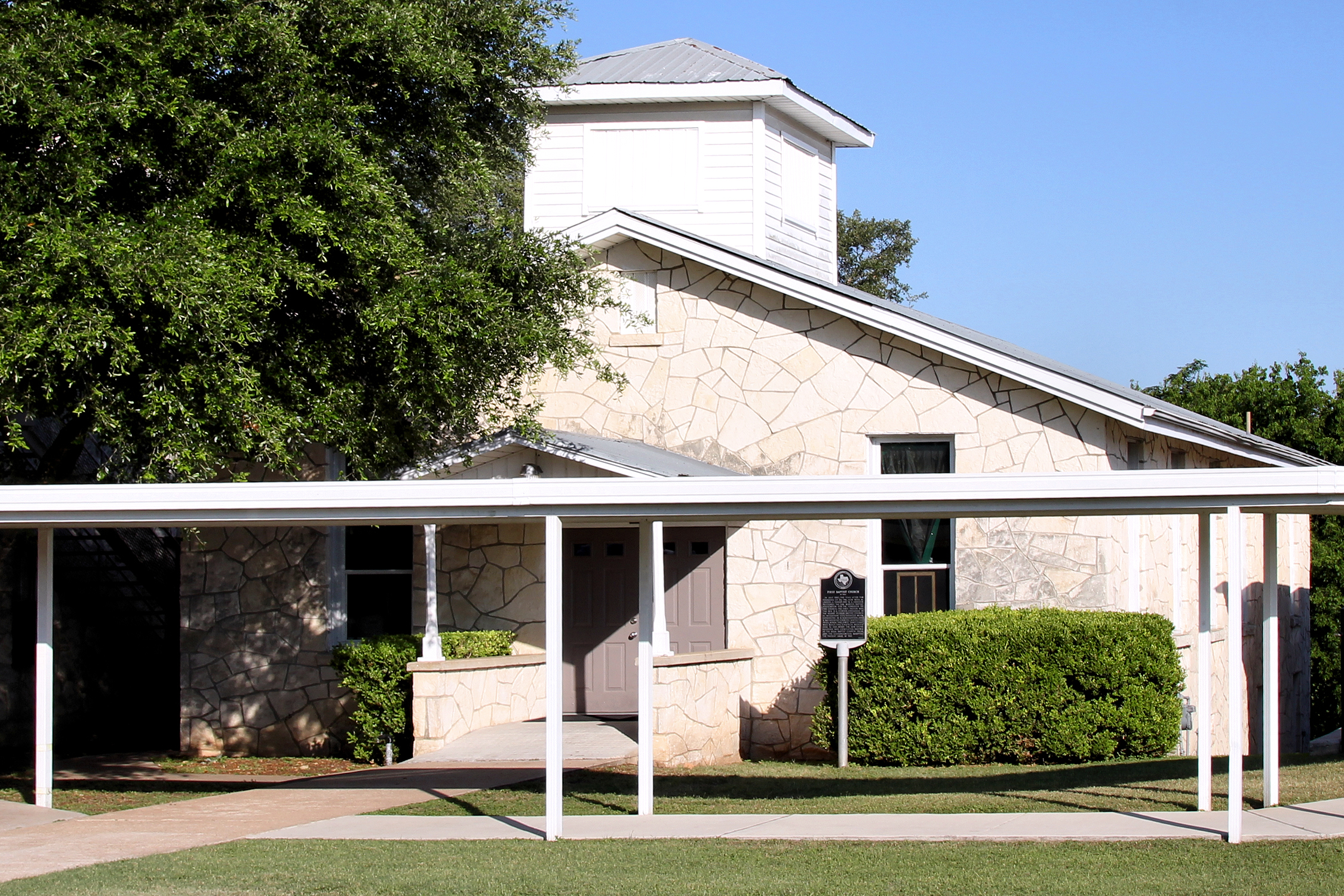
If you’re wondering whether you need to be “perfect” before you belong—no. Community is where people learn to walk with God together while becoming more faithful over time.
Why Church Community Matters
Faith grows under pressure, and community gives you support under pressure. Here are three major ways belonging strengthens personal discipleship.
1) Support: Encouragement when you’re not strong
Some weeks you arrive ready to serve. Other weeks you arrive tired, anxious, or unsure. A healthy church community becomes a steady source of encouragement—through prayer, listening, and practical help.
What this looks like:
- Someone checks in after you mention a difficult situation.
- You receive prayer prompts that are specific enough to matter.
- People help you find your footing when you’re new.
Belonging doesn’t remove every problem—but it changes the isolation that often makes problems heavier.
2) Accountability: Growth that doesn’t rely on motivation
Motivation fades. Habits slip. Community adds a gentle but real accountability—reminders, shared commitments, and conversations that encourage you to keep moving forward.
What this looks like:
- Members ask how you’re doing spiritually, not just how life is going.
- People remind each other of Scripture and then help apply it.
- You learn from others’ faithfulness, not only from your own effort.
Accountability works best when it’s built on trust and grace—not judgment.
3) Friendship: You become known, and you learn to care
Friendship may be the most misunderstood part of church community. It isn’t just “getting along.” It’s learning to love people with patience, honesty, and consistency.
What this looks like:
- You share life events (celebrations and struggles).
- You discover you’re not alone in your questions.
- You begin serving because you genuinely care about others.
Over time, friendship turns Sundays into a spiritual home base.
How Ridgecrest Members Describe Community
Every church has people with different backgrounds, stories, and seasons of life. At Ridgecrest, members often describe community in practical terms—small moments that add up:
- “I came for a service, but I stayed because people remembered my name.”
- “I didn’t always know what to do next, and someone helped me take the next step.”
- “Prayer wasn’t just something we said—it was something people followed through on.”
- “I felt known without being pressured to perform.”
If you’re thinking, “That sounds like what I want… but what about me?”—start small. A first conversation, a first group meeting, or a first event can be enough to begin.
How to Take the Next Step at Ridgecrest
Community doesn’t start with a big leap. It starts with one pathway you can actually follow.
Start with the basics: learn where you belong
- Read about the church’s purpose and core values on the About Us page.
- Explore groups and connection opportunities on Groups.
Join the rhythm: events help you meet people
Events are where community becomes visible—new faces become familiar, and friendships grow through shared moments. If you want a low-pressure entry point, begin with what’s coming up next:
- Check the Events calendar for service and community gatherings.
Pick one “community habit” for the next 30 days
Choose a habit that fits your real life:
- Show up (attend one gathering consistently).
- Connect (talk to one person before or after the service).
- Share (ask one question about where to get involved).
- Serve (volunteer once—small and specific).
Consistency is the quiet engine of belonging.
A Note for People Who Feel Unsure
If you’re new—or if you’ve had negative experiences with church before—it’s okay to take your time. The goal isn’t to “convince” you. The goal is to make it easier for you to understand where you fit and to feel safe enough to grow.
If you’d like guidance, reach out through the church’s contact path and ask what next step makes sense for your family and schedule.
Conclusion: Community Turns Faith into a Shared Journey
Church community matters because it gives faith a place to take root. Through support, accountability, and friendship, people don’t just hear truth—they practice it together.
If you want deeper involvement, take one next step: explore About Us, browse Groups, and plan your next visit using the Events calendar.
Sources (for further reading)
- Hebrews 10:24–25 (Bible Gateway)
- Acts 2:42–47 (Bible Gateway)
- APA: Social Support (evidence for why encouragement and connectedness matter) utm link
- One another responsibilities (study resource)