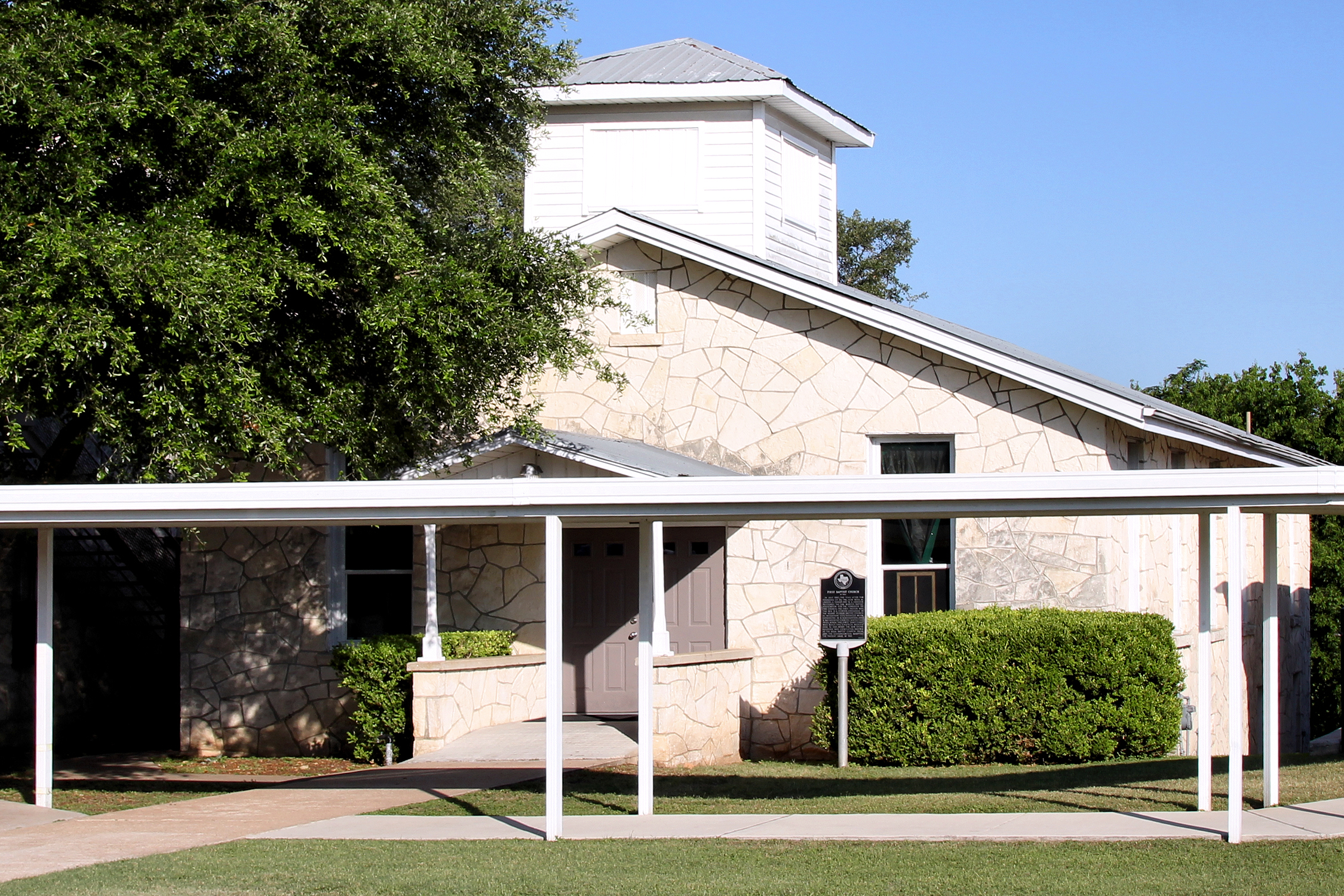
Visiting church as a family can feel exciting—and a little uncertain. This guide is here to help you arrive with confidence, know what to expect, and feel welcomed at Ridgecrest Baptist Church.
You probably have a few questions already: What should we do before Sunday morning? How do we talk to kids about what to expect? What should we bring? Where do we go—worship, kids ministry, or youth?
According to research on first-time experience design, predictable steps reduce anxiety and help people focus on the actual purpose of an event (not figuring out logistics on the spot). For families, a clear “what happens next” also supports smoother transitions—especially for younger children who do best with simple, concrete expectations. For background on why orientation and reassurance can matter, see this overview of anxiety and an anxiety-education discussion.
By the end of this article, you’ll have a gentle checklist for before you arrive, a simple way to talk with children, ideas for what to bring, and a practical plan for after-service follow-up—so you can ask questions and take next steps at your own pace.
What families should know before Sunday morning
Before you head out, pick one adult to be the “check-in helper” for the morning—someone who can help the rest of the family stay calm and moving in the same direction. Then, do a quick 10-minute prep at home:
- Decide the plan for arrival. Aim to arrive early enough to find parking and get seated or checked in without rushing.
- Use the church’s online navigation. If you’re unsure where to start, revisit the main site and look for links to Kids, Youth, and Contacts.
- Talk about the “first 10 minutes.” Kids do well when you tell them what to expect right away—greeting, finding a seat, and settling in.
- Keep the goal simple. The first visit isn’t about being “perfect.” It’s about being present, getting oriented, and getting to know people.
Warm tip: If your family usually likes a routine, keep one small habit the same (a favorite snack, a short “ready to go” prayer, or a calming song in the car). Consistency can make a new place feel safer.
How to talk with children about visiting church
When kids (and teens) are excited—or unsure—your job isn’t to eliminate all nerves. It’s to give them language for what will happen next. Try this simple script:
“This Sunday, we’re going to visit a church. We’ll be greeted, we’ll sing and listen to a message, and then we’ll do kids/youth activities. If you get restless, you can tell me, and we’ll take a moment to reset.”
Make it concrete, not abstract
Instead of “church is worship,” say what they’ll see and hear: friendly people, music, a message, and opportunities to participate. For younger children, it helps to focus on sensory details: “We’ll hear singing,” “We’ll find a seat,” and “We’ll be in the room together.”
Give permission to wiggle
Children learn faster when adults don’t treat every movement as a problem. You can set a gentle expectation like: “You’re allowed to move—just try to keep your voice and steps respectful while we listen.”
Use a “break plan”
Pick one plan for when someone needs a break (for example, stepping aside with an adult, taking a drink of water, or walking briefly to regroup). The goal is to keep your family connected without making restarts feel scary or dramatic.
What to bring for kids, babies, or older family members
Pack like you’re preparing for a calm outing—not a full-day marathon. A simple bag checklist can lower stress:
- For kids and babies: diapers (if needed), wipes, a change of clothes, a favorite comfort item, and a snack or drink.
- For worship time: a small notebook or activity coloring sheet for older kids (optional), and something for quiet comfort for younger children.
- For your family: a Bible is welcome but not required—if your family has one, bring it; if not, that’s okay. Bring questions instead of pressure.
- For transitions: a light layer (church rooms can feel cooler) and a phone with the church contact page handy.

How to choose between worship, kids ministry, and youth options
On your first visit, it’s normal to wonder, “Where does our family fit best?” Here’s a low-pressure way to decide:
| Family situation | Gentle starting point |
|---|---|
| Kids who can sit and listen briefly | Start with worship together for as long as it feels comfortable, then transition as needed. |
| Kids who need more structure or movement | Choose the kids ministry option early so they can settle into an age-appropriate setting. |
| Teens | Consider the youth option if there’s a clear place for teens to participate with others their age. |
| Parents with questions or mixed schedules | Use the contact team as your “point person.” A short message before or after can reduce uncertainty. |
If you’re ever unsure, remember this rule: your first job is to feel welcome, not to have everything figured out. You can always adjust for the next Sunday.
To explore the right starting point, revisit the Kids and Youth sections, and then use Contacts if you want to confirm details.
How to follow up after the visit and ask questions
After Sunday, give your family a moment to decompress. Then, use follow-up as a simple way to turn “we survived the visit” into “we feel connected.”
Ask one question that matters
Pick a question that helps your next step:
- “What should we do next week if we want to participate more?”
- “Where do we go for kids/youth, and how can we prepare ahead of time?”
- “Is there a good way to meet someone on the team?”
Send a short message
When you contact the church, include:
- The date of your visit
- Who attended (adults, kids’ age range)
- What you’re hoping for next
- One best way to reach you
For example, a message can be as simple as: “Hi there—our family visited on Sunday and we’d love guidance on next steps for kids and youth. What would you recommend?”
Follow-up doesn’t need to be formal. A clear question helps the right person respond with confidence and care.
A quick recap
- Prepare at home: decide arrival plan, talk through the first 10 minutes, and keep the goal simple.
- Talk with kids: make it concrete, give permission to wiggle, and use a break plan.
- Bring essentials: comfort items, a change of clothes, and a calm bag checklist.
- Choose with grace: start with worship together or transition based on what helps your family.
- Follow up kindly: ask one meaningful question and reach out through Contacts.
We’re glad you’re considering a first visit. With a little preparation, your family can walk in feeling safer, calmer, and more ready to connect.