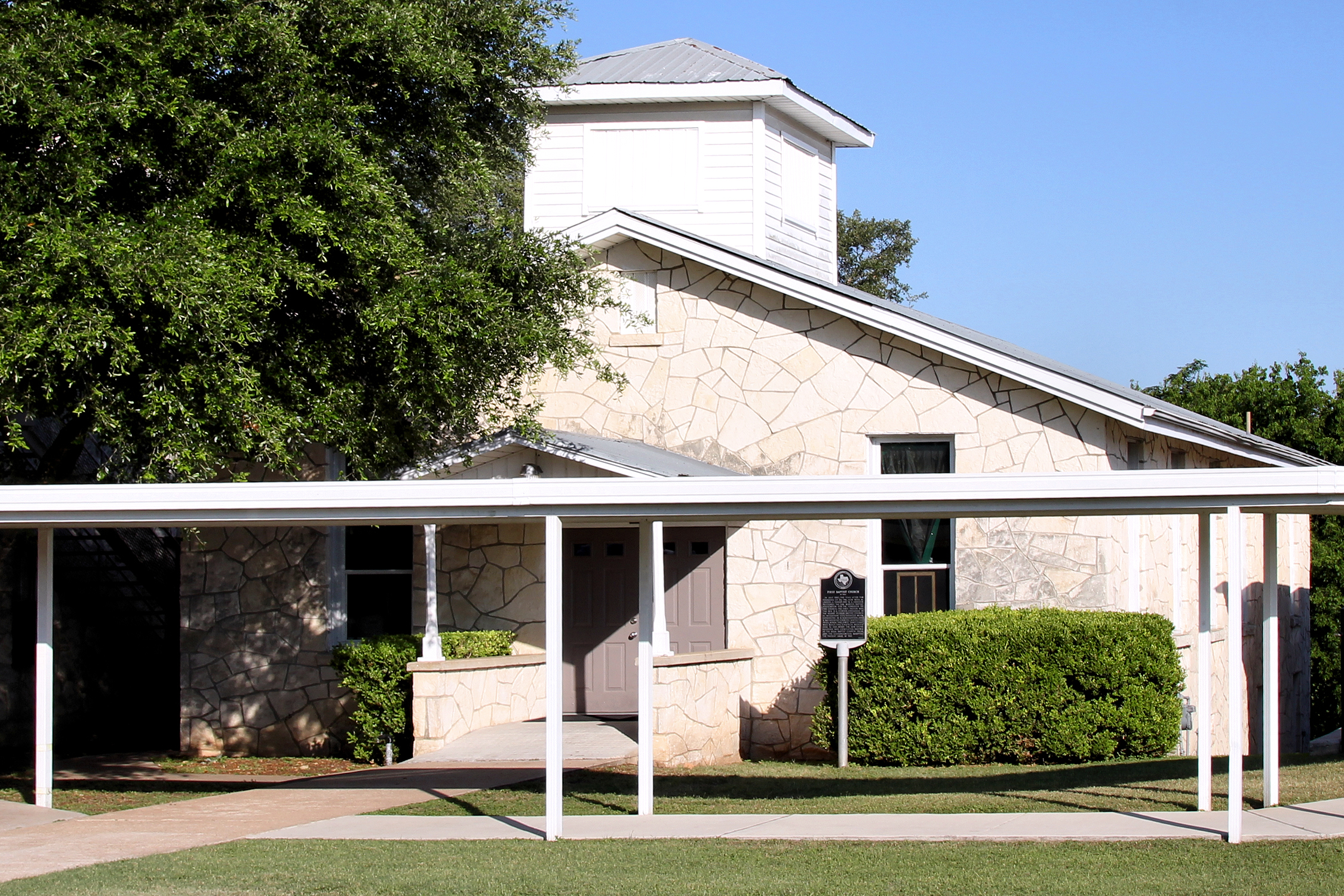
Communion Sunday is one of the quiet, steady moments in a church service. It is not a performance, and it is not a test. It is a time to remember Christ, reflect honestly, and participate with a clear mind and a settled heart.
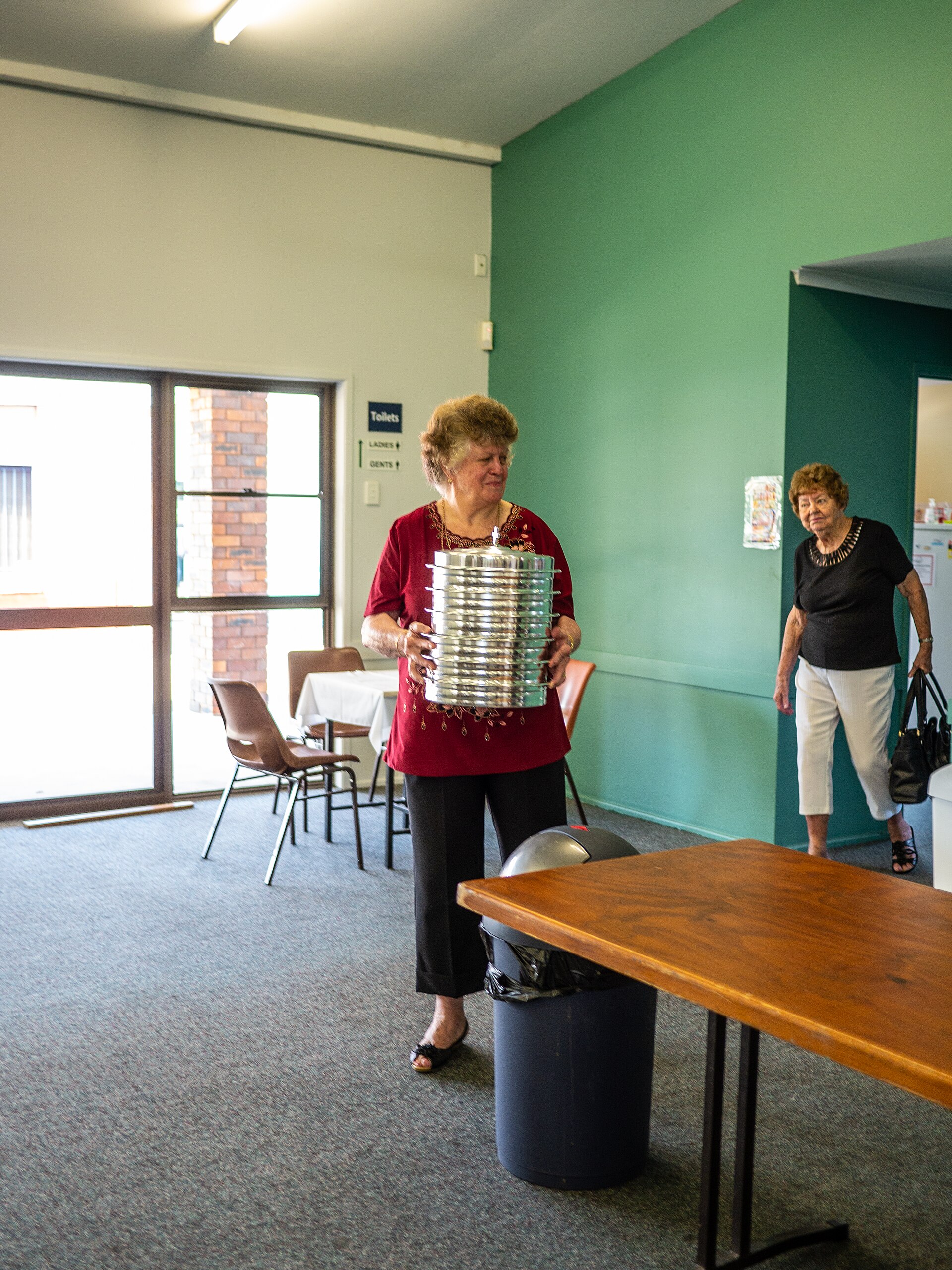
If you are new to Ridgecrest Baptist Church, or you have been away for a while, the safest approach is simple: come prepared to listen, pray, and follow along. If you want a quick overview of the church before Sunday, start with the About Us page, or review upcoming service timing on Events Calendar.
What communion Sunday is and why we do it
In a general Baptist setting, communion is a church ordinance observed in remembrance of Jesus Christ. Congregations may describe it as the Lord’s Supper, communion, or the table of remembrance. The core idea is consistent: the church pauses to remember Christ’s sacrifice and to respond with gratitude, reverence, and self-examination.
If you want a broader overview of the practice, see Britannica’s overview of the Eucharist and The Gospel Coalition’s explanation of the Lord’s Supper. Those references are not a substitute for your local church’s own practice, but they can help a first-time visitor understand the basic language.
When communion usually happens in the service
At many churches, communion happens after singing, prayer, and preaching, though the exact placement can vary. At Ridgecrest, the best rule is to arrive on time and watch the service flow. If the communion moment is announced, the pastor or service leader will usually guide the congregation through it plainly.
- Arrive early enough to settle in before the service begins.
- Keep your bulletin or notes handy if instructions are printed there.
- Listen for any direction about when to come forward or remain seated.
What to do before you come
Preparation is mostly spiritual, with a few practical steps attached. A good starting point is to slow down and examine your heart. Pray, confess what needs confessing, and ask God to help you participate with attention rather than habit. That is the work. The rest is just logistics.
- Pray before Sunday for a clear conscience and a quiet mind.
- Read a relevant passage if that helps you reflect; many Christians turn to 1 Corinthians 11:23-29 for background.
- Plan to arrive a little early so you are not rushed.
- If you are visiting with family, talk ahead of time about staying seated, coming forward, or observing quietly if needed.
What to bring
Usually, you do not need to bring anything special. A Bible, a notebook, and a willing heart are enough. If you have children with you, it can help to explain the service in simple terms before you arrive. That reduces confusion and keeps everyone calm when the moment comes.
| Item | Needed? | Why it may help |
|---|---|---|
| Bible | Optional | Useful for reading along or reflecting after the service |
| Notebook | Optional | Helpful for prayer notes or follow-up questions |
| Children’s explanation | Recommended | Helps younger guests know what is happening |
| Questions for staff | Recommended | Useful if you are unsure about timing, seating, or participation |
What to expect during the moment
Communion is usually orderly. The church may remain seated, come forward, or receive the elements as they are passed. The pastor or service leader will explain the process. If you are a visitor, you can follow the congregation’s lead without trying to improvise. The service is not looking for experts; it is asking for attention.
For families, the simplest rule is to stay close and keep children with you unless the church has clearly announced another arrangement. If you are uncertain about what children should do, ask a greeter or use the contact information on the Contacts page before Sunday.
If you are not sure you are ready
It is acceptable to pause. If you are unsure whether you should participate, you may choose to observe respectfully. You do not need to create a scene or explain yourself publicly. Visit, listen, and ask questions later. If you need guidance, the church staff can help you think through the next step.
- You may remain seated and watch if that is appropriate in the service.
- You may ask a pastor, usher, or staff member before the service begins.
- You may decide to use the moment for prayer and reflection while you observe.
After communion: how to continue the week
Communion should not end when the plates or trays move away. The point is reflection that follows you home. A few questions can help:
- What did I remember clearly today?
- What needs confession, gratitude, or repair this week?
- Who should I encourage, reconcile with, or pray for?
If you want to keep building a steady rhythm between Sundays, the Resources page is a good place to look for next steps. You can also review the church’s home page for current navigation and service information.
FAQ
How long does communion take?
Usually only a small part of the service. Plan for a brief, focused moment rather than a separate event.
What if I need accessibility help?
Ask ahead of time or speak with someone on site. Churches can usually help with seating, mobility questions, and simple service guidance.
Can I ask questions before Sunday?
Yes. The safest path is to contact the church in advance through the Contacts page or ask in person when you arrive.
Closing thought
Communion Sunday should feel orderly, not awkward. Come prepared, follow the service calmly, and ask questions if you need them. That is enough. If you are new to Ridgecrest Baptist Church, you are welcome to visit, observe, and connect before or after the service.
For service details, directions, or questions about attending, visit the Contacts page.