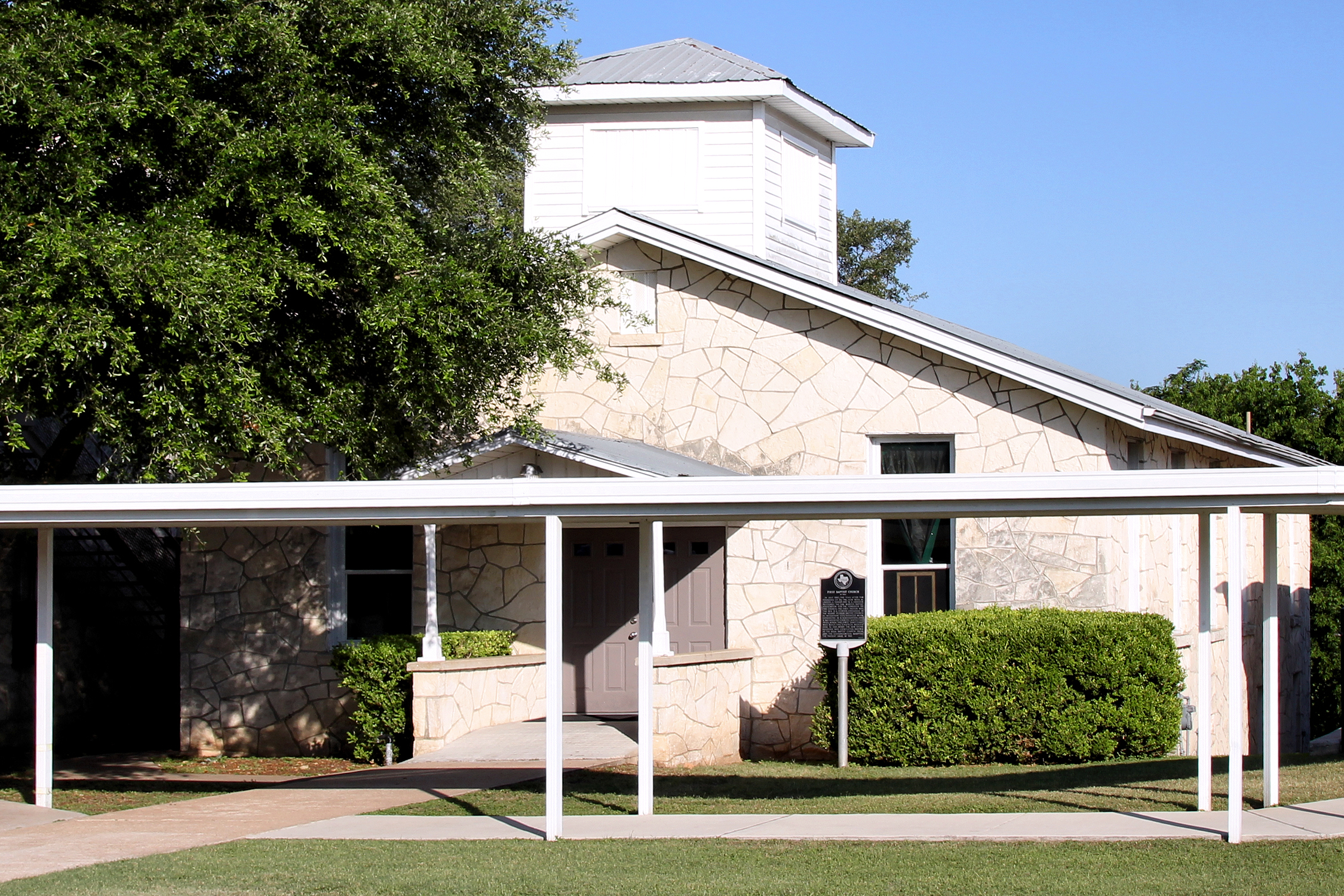
Churches do not matter because people enjoy extra calendar clutter. They matter because life keeps producing the same big moments that need witnesses, vows, water, grief, prayer, and a room where somebody will actually show up.

What counts as a church-supported life event
A local Baptist church usually supports more than one kind of milestone. The list is practical, not mystical:
- Baptism — a public step of faith practiced in the gathered church, not a livestream substitute.
- Wedding — a worship-shaped ceremony that usually involves counseling, scheduling, and coordination with church leadership.
- Funeral or memorial service — a pastoral gathering for grief, remembrance, and hope, handled with care and clear expectations.
- Baby dedication — a family and church commitment to prayer, discipleship, and support.
- Hospital visitation — presence, prayer, and practical support when families are dealing with illness or recovery.
- Prayer support — the basic church habit people forget until they need it.
For a general overview of how churches organize life together, start with About Us and the broader church home page at Ridgecrest Baptist Church.
Why embodied church life still matters
Digital tools are useful. They are not sacramental. A stream can carry audio. It cannot baptize a believer, counsel a grieving family in a hallway, or put a wedding party in the same room with a pastor, witnesses, and a congregation that knows their names.
The gathered church is still the point. The SBC has even said so directly in its resolution on the physically gathered church in a digital age, and Baptist teaching still treats baptism as a church practice, not a private content upload. See the SBC resolution on the physically gathered church and Lifeway’s Why We Baptize for the doctrinal baseline.
In plain terms: embodied presence is the mechanism. Everything else is commentary.
How families prepare for milestone events
Church support works best when families contact the church early. That gives staff time to ask the boring but necessary questions: dates, names, expectations, availability, and what kind of support is actually being requested.
| Event | What the church usually needs first | Why it matters |
|---|---|---|
| Baptism | Testimony, readiness, service timing | So the ordinance happens in the right setting, with clear preparation |
| Wedding | Date, venue use, counseling expectations, participant list | Because a wedding is a shared event, not an administrative surprise |
| Funeral | Family contact, timing, service preferences, pastor availability | Because grief runs on real deadlines, not ideal ones |
| Baby dedication | Family name(s), service date, ministry coordination | So the church can plan well and pray well |
Churches typically coordinate these moments through pastoral staff and the church office. If you need the current contact path, use Contacts and check News for updates or event notices.
What to expect when you contact the church
Expect a response, not instant magic. A normal first reply should confirm whether the request is possible, what information is needed, and who will follow up next.
- Be ready with names, dates, and basic contact details.
- For weddings and funerals, ask early about timing, space, and pastoral availability.
- For baptisms, ask what preparation is expected before the service.
- For hospital visitation or prayer support, tell the church exactly what kind of care is appropriate.
That is the whole trick. Clear request, clear response, fewer misunderstandings.
How life events connect to discipleship and ministry
These milestones are not side quests. They are part of discipleship. Baptism marks public faith. Weddings place covenant language inside the life of the church. Funerals remind the living that doctrine has to survive reality. Baby dedications and prayer support connect families to the congregation instead of leaving them isolated with their own plans and worst instincts.
That is why ministries for children and youth matter too. Churches do not just manage ceremonies; they build a life where the next generation knows how to belong. See groups and support if you want to understand how that wider care usually works.
Recent SBC ministry materials and current church job descriptions still treat baptisms, weddings, funerals, visitation, and family care as ordinary local-church responsibilities, which is exactly what they are. Not glamorous. Just necessary. The kind of work that survives trend cycles.
Practical next steps
If you are trying to plan a milestone at Ridgecrest, do this first:
- Check the church home page for basic identity and service context: Ridgecrest Baptist Church.
- Review the current contact information on Contacts.
- Look at Events Calendar so you do not schedule around the wrong Sunday.
- Scan News for announcements that may affect timing or attendance.
- Prepare names, dates, and the specific help you are requesting before you call or email.
If you want to know what is happening next, the church calendar and news pages are the boring but functional place to start. The boring thing is usually the one that works.
For broader context on why gathered worship still matters, you can also read SBC Fast Facts and review the SBC Job Board to see how often churches still list weddings, funerals, baptisms, and pastoral care as core responsibilities.