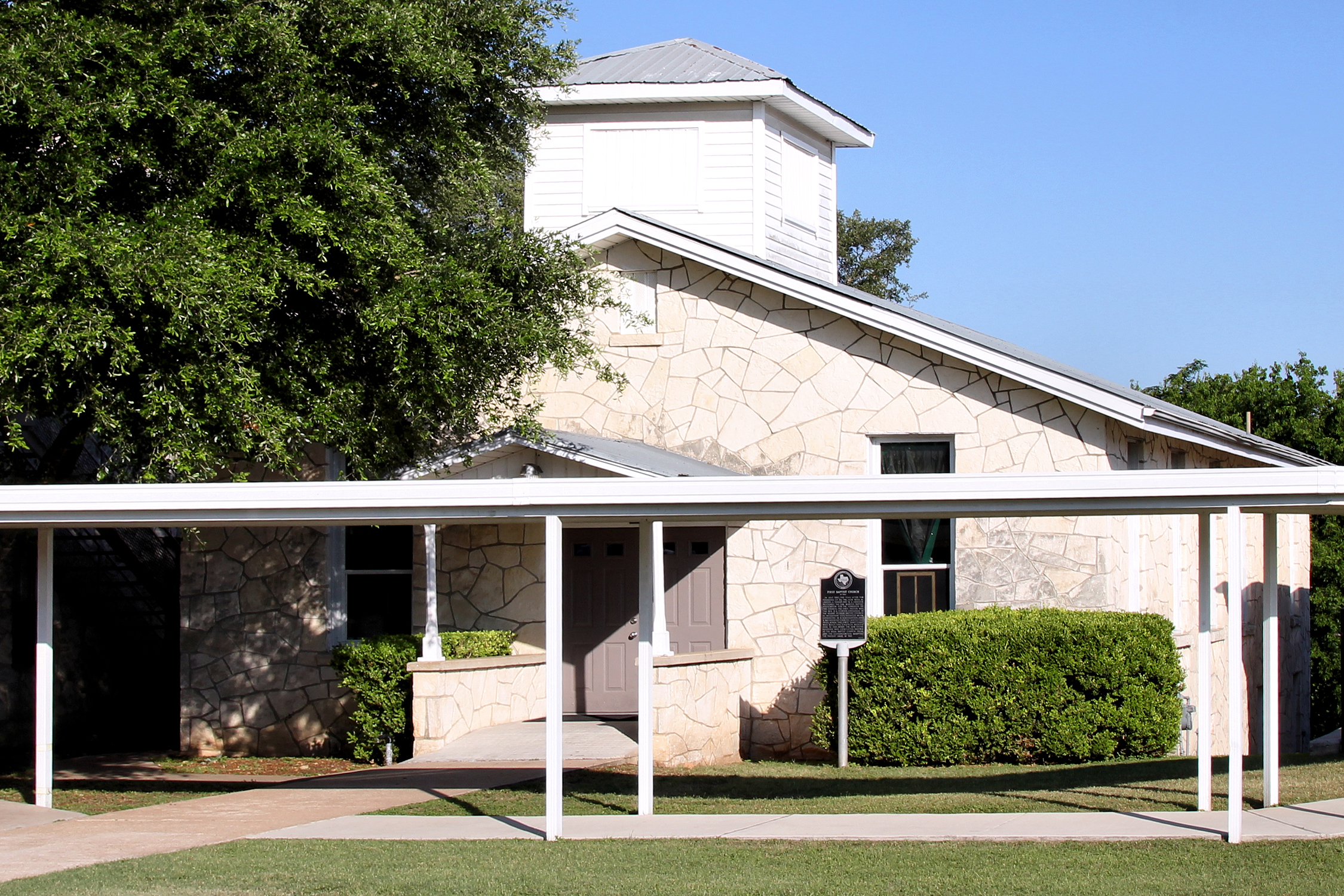
Some church moments are not ordinary Sundays, and Ridgecrest should treat them that way. Life events need clear planning, a visible point of contact, and a congregation that knows when to show up and when to simply stand with a family. That is the practical side of ministry.
When people look for a church to help mark a baptism, wedding, funeral, graduation, or anniversary, they usually want the same things: clarity, timing, and a place that takes the moment seriously. That is not a sentimental request. It is operations with a pastoral purpose. For background on why milestone care matters in church life, see church communication guidance from the Lewis Center for Church Leadership and Barna’s research library on faith and congregational life.
At Ridgecrest Baptist Church, milestone celebrations are part of how a congregation stays connected. They help members move through major life events with support instead of guesswork. If you want the church’s broader mission and values, start with About Us, then check News for updates and Events Calendar for scheduled gatherings.
In this article, you will learn which life events Ridgecrest commonly recognizes, how to request support or a celebration, what members say about those moments, and why the church’s role is stronger when the whole community participates.

Life Events Ridgecrest Commonly Recognizes
Not every event belongs on a stage, but several moments do deserve the church’s attention. The point is not to manufacture a ceremony for everything. The point is to recognize what matters and help people navigate it with dignity.
- Baptisms – a public step of faith that the church can celebrate in worship.
- Weddings – a covenant event that often needs coordination, scheduling, and pastoral support.
- Funerals and memorial services – times when families need practical help, prayer, and a calm plan.
- Graduations – a good time to recognize a student’s work and encourage the next step.
- Anniversaries – marriage milestones, ministry anniversaries, and other markers of steady faithfulness.
If you are unsure whether a moment fits, ask anyway. The decision is easier when someone asks early. That is usually cheaper than trying to improvise on Friday afternoon.
How to Request a Celebration or Church Support
The best requests are simple and early. Ridgecrest members should use the church’s normal contact channels and provide enough detail for staff to decide what needs to happen next. If you need the church office, start at Contacts and include the date, event type, and whether you need pastoral help, a public announcement, or both.
| What to send | Why it helps | Suggested timing |
|---|---|---|
| Event type and basic details | Helps staff understand the right ministry response | As soon as the date is known |
| Names of those involved | Prevents mistakes in announcements, prayer, or scheduling | At first contact |
| Preferred date or service time | Lets the team check the calendar before commitments stack up | At least a few weeks ahead when possible |
| Any family or ministry needs | Lets Ridgecrest prepare support, seating, or follow-up | Before final details are set |
Practical rule: do not wait until the event is already crowded with logistics. A quick message to the church office is better than a long emergency later. If the event belongs on the public calendar, cross-check Events Calendar and, if appropriate, ask whether a notice should appear in News.
What Members Notice About These Moments
Milestone celebrations matter because they make the church feel like a real body, not just a place people pass through on Sundays. Here are a few representative reflections that match what members often notice when the church responds well.
“When the church helped us plan our wedding prayer and announcement, it removed a lot of pressure. We could focus on the day instead of the logistics.”
Ridgecrest member, wedding celebration
“After our family loss, the most helpful thing was not a speech. It was the steady support, the prayer, and the people who already knew what needed to be done.”
Ridgecrest member, funeral support
“Graduation recognition told our student that the church noticed the work behind the milestone, not just the photo at the end.”
Ridgecrest parent, graduation recognition
Those are small statements. They carry a large operational truth: people remember whether the church was organized, present, and clear.
Why Community Support Matters
Church support is not only about the event itself. It is about what happens around the event: meals, prayer, attendance, childcare, transportation, follow-up, and simple presence. The strongest churches do not try to make every milestone look identical. They match support to the need.
- Before the event: staff and members help confirm details, roles, and timing.
- During the event: the church gives the family room, order, and attention.
- After the event: people check in, pray, and stay connected.
That rhythm builds trust. It also keeps the church from turning meaningful moments into last-minute chaos, which is nobody’s idea of a good ministry model.
What to Do Next
If you have a milestone coming up, do three things: tell the church early, explain what kind of help you need, and check the calendar. Start with Contacts, review Events Calendar, and watch News for related updates.
Ridgecrest’s job is not to make every life event flashy. It is to make sure people are not carrying major moments alone. That is the kind of order a church should keep.
Key Points to Remember
- Ridgecrest recognizes major milestones such as baptisms, weddings, funerals, graduations, and anniversaries.
- The best way to request help is to contact the church early with clear event details.
- Member stories show that practical support matters as much as public recognition.
- Strong community support depends on good communication before, during, and after the event.
- The church calendar, news updates, and contact page should be the first places to check.