If worship at church were a road trip, music would be the playlist that keeps everyone awake, aligned, and a little more willing to sing in the car. At Ridgecrest Baptist Church, music is not just background decoration for the sermon. It helps shape the room, steady the heart, and give words to praise when the rest of us are standing there with our spiritual pockets turned inside out.
The Bible is full of singing, from the Psalms to the early church. Worship music has always done a few jobs at once: it teaches truth, gathers people together, and gives emotion a place to land. For a quick history-and-context detour, the Britannica overview of church music is a helpful primer, and the Christianity Today reflection on psalms and singing shows how old this practice really is.
Why worship music matters
Music helps worship do what words alone sometimes cannot. A hymn can slow a restless mind. A chorus can turn a room full of individual worries into one shared response. That is a small miracle with a microphone.
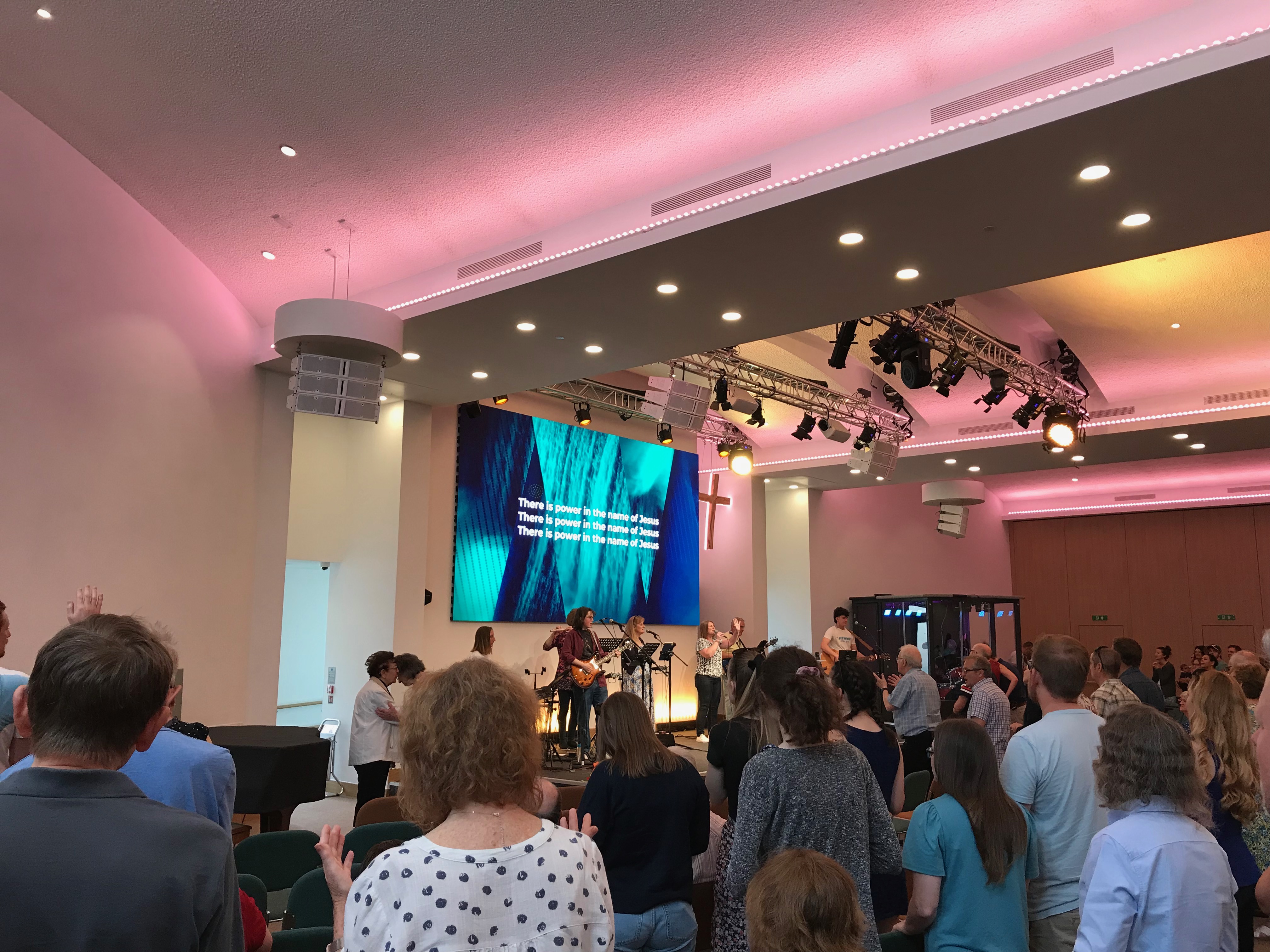
At Ridgecrest, worship music supports the rest of the service by helping people prepare, participate, and remember. It is not a performance where the congregation becomes the audience. It is more like the family photo where everyone is awkward for one second and then somehow still looks unified.
- It expresses praise. Singing gives gratitude a voice.
- It reinforces truth. Repetition helps important ideas stick.
- It builds unity. Shared singing pulls people into one moment.
- It supports reflection. Music creates room for prayer and response.
If you want to think more about how music shapes communities, this NPR piece on music and the brain is a useful outside perspective. The takeaway is simple: music reaches places that spreadsheets and bullet points never will, which is probably why bullet points are a little jealous.
What music ministries look like at Ridgecrest
Ridgecrest’s music life includes opportunities for people with different comfort levels and different kinds of musical gifts. Some people love singing in a group. Some prefer playing an instrument. Some can carry a harmony like it was born in their hands. Others are still working on the whole “starting on the same note as everyone else” thing. All of that can still belong.
| Ministry space | How it helps worship | Who it may fit |
|---|---|---|
| Choir | Leads congregation in layered vocal worship | People who enjoy group singing and regular rehearsals |
| Worship band | Supports Sunday worship with instruments and vocals | Instrumentalists and vocalists with team rhythm |
| Special music / solos | Offers focused musical moments during services | Those comfortable sharing a prepared piece |
| Audio / tech support | Keeps sound balanced so the room stays singable | Behind-the-scenes helpers who like precision |
For a wider view of how churches organize music and worship ministries, the Southern Baptist Convention resource library can be a helpful reference point, especially if you are trying to understand common church ministry structures without needing a decoder ring.
You can also check the Ministries page for the bigger picture of how Ridgecrest serves different ages and groups, and the Events Calendar for upcoming worship-related gatherings.
How to get involved without needing a cape
Joining a music ministry at Ridgecrest does not require you to arrive as a polished star with a wind machine. The usual path is much simpler: connect with the church, ask about current opportunities, and learn what kind of rehearsal or preparation is needed.
- Visit the About Us page to get to know Ridgecrest’s church family and worship direction.
- Reach out through the Contacts page to ask about music ministry availability.
- Attend an event, service, or rehearsal opportunity mentioned on the Events Calendar.
- Talk with a worship leader about choir, band, or special music involvement.
If you are new, the best first step is simply showing up and asking a question. Churches are usually less interested in spiritual resume polish than people imagine. The door is often more “come as you are” than “submit three references and a key signature.”
What team members notice
Here are a few brief testimonials that capture the spirit of worship ministry:
“When we sing together, the room feels smaller in the best way. People stop being strangers and start sounding like a family.”
— Ridgecrest worship team member
“Music gives me a way to worship when my words run out. It is like the bridge between a busy week and a quiet heart.”
— Ridgecrest worship volunteer
“I came for the music, but I stayed because I found people who would rehearse, pray, and laugh with me in equal measure.”
— Ridgecrest choir participant
Those kinds of stories are why worship music matters. It is not only about sound; it is about belonging, formation, and shared faith. When people sing, they are not just filling silence. They are practicing hope out loud.
A small next step
If you have ever thought, “Maybe I should try music ministry,” take that as your tiny-but-useful nudge. Look at the Ministries page, watch the Events Calendar, and reach out through Contacts. One conversation may be all it takes to move from spectator mode to participation mode.