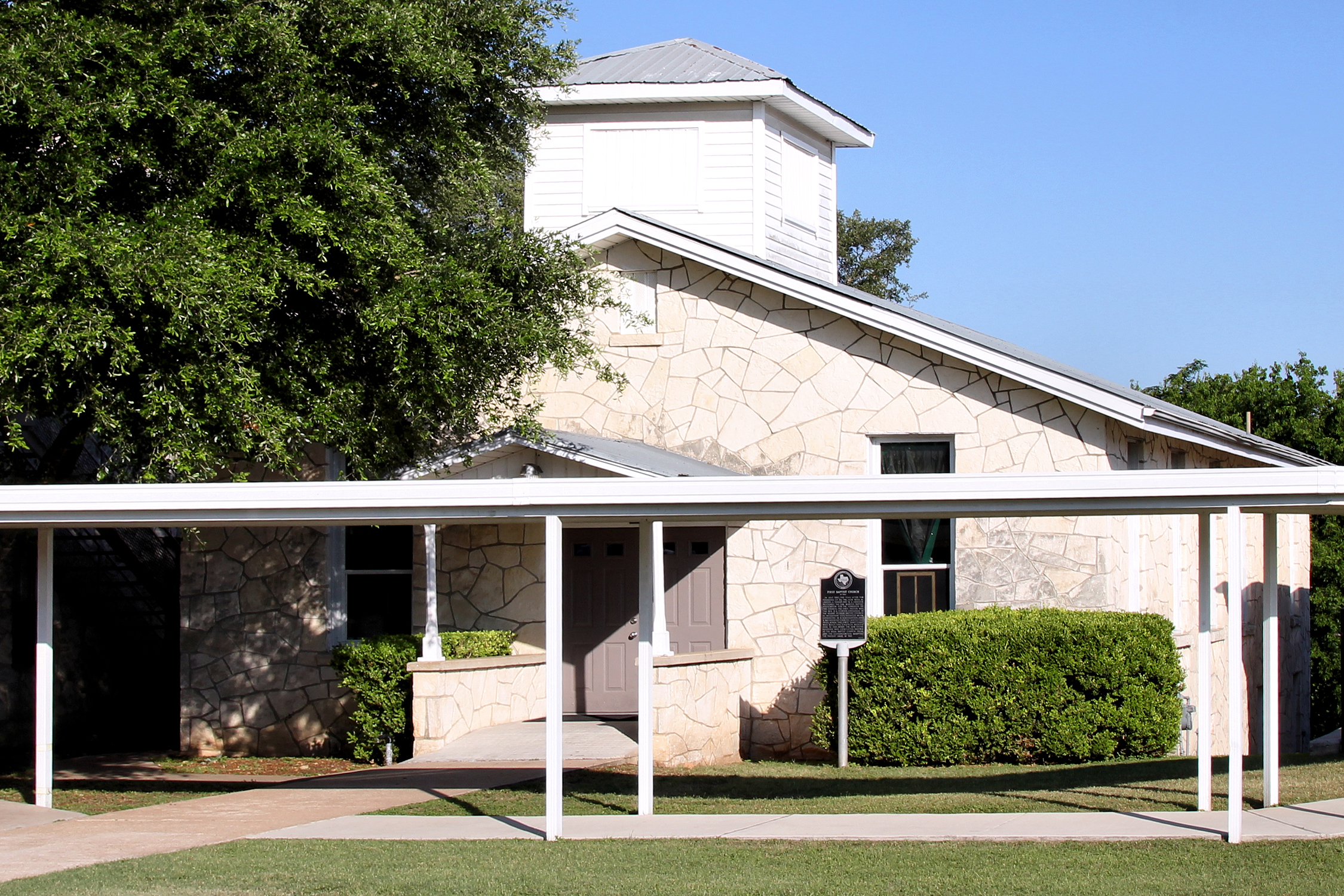
Why Small Groups Matter: Building Real Fellowship at Church
Talk about church community often comes in waves. Some seasons make it sound like a trend; other seasons reveal that it was never optional in the first place. The quieter, steadier truth is that small groups matter because faith is meant to be lived with other people. Worship gathers the church, but fellowship helps the church become a people who know one another, pray for one another, and carry one another’s burdens.
That is not a new idea. It is one of the oldest patterns in the New Testament. Acts 2:42 says the early believers devoted themselves to “the apostles’ teaching and the fellowship, to the breaking of bread and the prayers.” Hebrews 10:24-25 adds that believers should spur one another on toward love and good works and not give up meeting together. Those verses do not treat fellowship as a bonus feature. They present it as part of ordinary Christian life.

Fellowship is part of discipleship
In the New Testament, discipleship is not only about hearing teaching. It is also about learning to follow Christ in community. Small groups make room for questions that do not always surface in a larger gathering. They give people a place to share a concern, ask for prayer, talk honestly about Scripture, and learn from others who are a few steps ahead in the same walk of faith.
That kind of fellowship also has a practical shape. A group notices when someone is missing. It remembers a family undergoing surgery. It can celebrate a new job, a baptism, a child’s milestone, or a hard-won step toward healing. These are ordinary moments, which is exactly why they matter. The church is not only a place for public worship; it is a household of care.
Church leaders who think carefully about group life often emphasize the same point: healthy groups do not happen by accident. Helpful guidance from Lifeway on biblical community and Lifeway on group culture both point toward the same conclusion: fellowship grows when churches make space for it and keep it simple enough for people to join.
What small groups do that Sunday alone cannot
- Encouragement: people hear God’s Word applied to real life, not only to a crowd.
- Prayer: requests can be shared, remembered, and followed up on.
- Care: needs become visible before they become isolated.
- Discipleship: faith is discussed, practiced, and corrected in ordinary conversation.
- Belonging: newcomers and returning members can ease in without having to know everything at once.
Getting involved at Ridgecrest
At Ridgecrest Baptist Church, there are several natural ways to reconnect with fellowship. If you are ready to take one small step, start with the setting that feels most accessible to you.
- Sunday groups for Bible study, discussion, and regular fellowship.
- Ministry teams that serve alongside other believers and build relationships through shared work.
- Youth and family gatherings that help students and parents stay connected between Sundays.
- Prayer gatherings where the church can pause, listen, and bring needs before the Lord together.
- Church events that create informal room for conversation, meals, and follow-up.
If you want a fuller picture of the church’s life, the About Us page gives a helpful overview, and the News page can show what is coming up next. If you are new, or if it has been a while since you were connected, you do not need to solve everything at once. Start with one conversation, one visit, or one group.
For churches, a useful rule is simple: make the next step visible. A clear invitation on the homepage, a current events listing, and a contact path for questions can lower the barrier enough for someone to actually show up. A recent Southern Baptist resolution on the physically gathered church makes the same broader point: embodied fellowship still matters, especially in a digital age. You can read that perspective at SBC.net.
Making fellowship easier for newcomers
Some people avoid groups because they expect to be put on the spot. Others worry they are too new, too busy, or too far behind to belong. Good fellowship removes some of that friction.
- Begin with a welcome, not a test.
- Keep the first visit simple and explain what will happen.
- Offer a place for families to ask practical questions.
- Make it easy to leave contact information without pressure.
- Follow up in a way that sounds like care, not a campaign.
That approach is especially important for families with children or teens, as well as adults who are returning after time away. People usually do not need a perfect program. They need a clear invitation and a reasonable first step. That is how belonging begins.
If you are looking for a simple next move, check the latest events, review what Ridgecrest is sharing in news updates, or reach out through the contact page. If you want to see the wider pattern behind small-group ministry, Lifeway Research has also documented how discipleship and connected church life remain central concerns for many congregations.
A practical conclusion
Small groups matter because the Christian life is not meant to be lived at a distance. They provide room for prayer, encouragement, Scripture, accountability, and ordinary care. More than that, they help people move from being attendees to being known. That is not a small difference.
If you have been looking for a place to reconnect, Ridgecrest invites you to begin with one group, one gathering, or one conversation. Start where you are, and let fellowship do what it has always done: make room for faithful people to grow together.