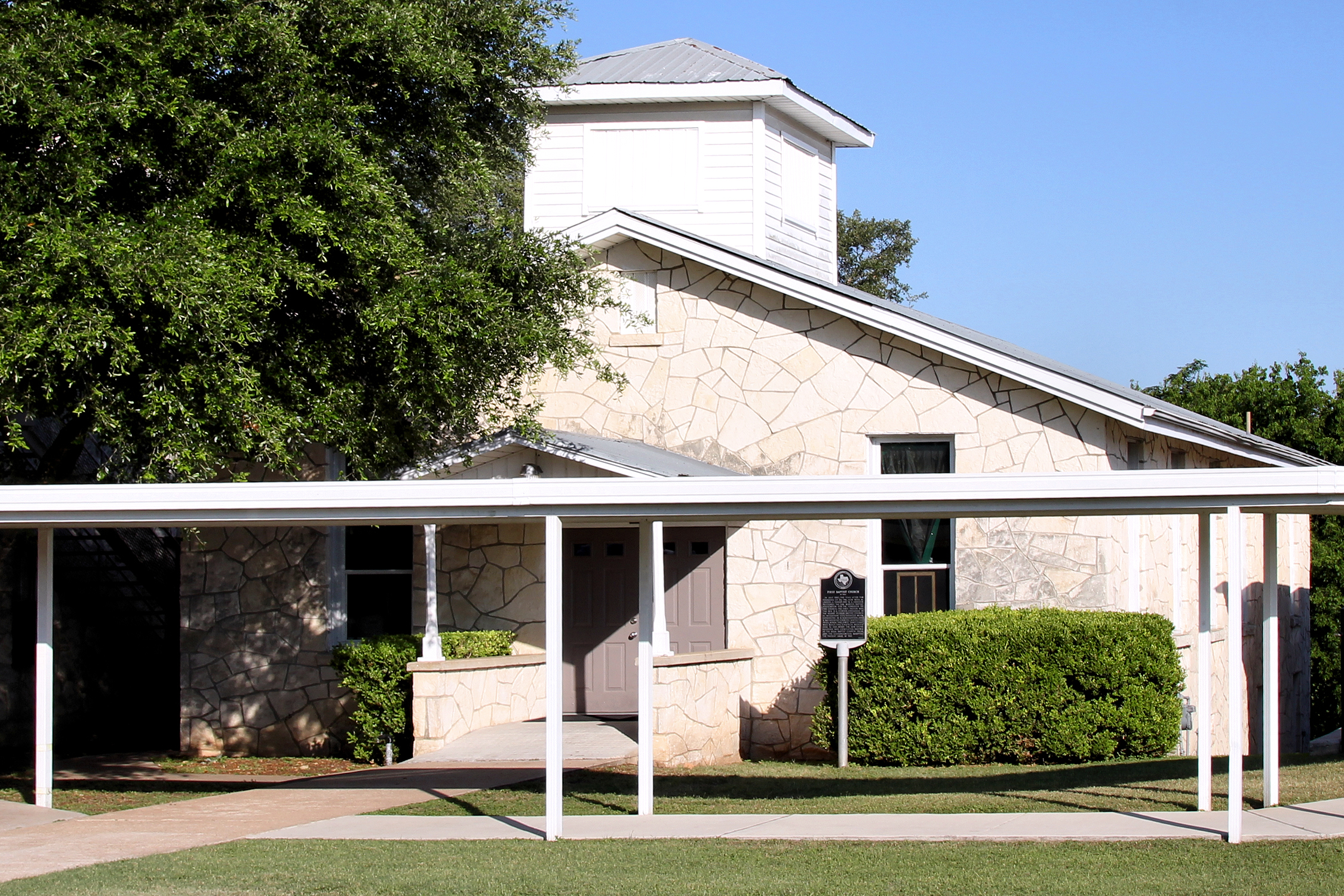

Sunday matters. It gathers the church, centers everyone on Scripture, and gives families a shared starting point. But a single morning was never meant to carry the whole week. The more useful pattern is partnership: the church equips, parents lead at home, and both point children and students back to Christ in ordinary life.
That is the basic shape of family discipleship in a church like Ridgecrest Baptist Church. When families have a few clear rhythms, the week stops feeling spiritually fragmented. Prayer before school, a brief reading at dinner, a question on the drive home, a reminder from Sunday’s message — these are small things, but small things are often how faith becomes steady.
Why between-Sundays discipleship matters
Church leaders have been emphasizing for several years that children and students learn best when what happens on Sunday is reinforced at home. Lifeway’s children’s ministry resources and its recent writing on discipling the next generation both point toward parent partnership, not program replacement. That is a helpful correction. Parents are not meant to carry everything alone, and the church is not meant to do everything in one service.
What matters is consistency. A family does not need a perfect plan; it needs a repeatable one. Scripture reading, prayer, and conversation around a passage or sermon can become a stable weekly rhythm. For a broader look at why this kind of church-and-home partnership is being emphasized, see Lifeway’s discussion of discipling Generation Alpha and its children’s ministry resources.
What Ridgecrest families can use during the week
Ridgecrest’s public site already gives families a few useful starting points. The home page helps visitors understand the church’s regular ministry life, while the About Us page explains the church’s values. For ongoing connection, the groups page is a natural place to look for shared Bible study and encouragement beyond Sunday morning. Families can also keep up with announcements on News and reach out through Contacts or the contact form.
The important point is not simply that these pages exist, but that they can support a weekly pattern. A family might check News once a week for upcoming church events, use Groups to find a place where parents can grow too, and keep contact information handy when they need prayer or guidance. That is not flashy. It is just practical, which is usually better.
How kids and youth ministry reinforce Sunday teaching
Ridgecrest’s recovered site content shows that kids and youth ministry have long been part of the church’s life. That matters, because children and teenagers usually need repetition more than novelty. They benefit from hearing the same core truths in church, at home, and in conversations that happen naturally through the week.
For kids, the weekly connection might be a verse from Sunday school repeated at bedtime or a question like, “What did you learn about God today?” For students, it might be a short follow-up conversation after youth group or a check-in about how a lesson connects to school, friendships, and decisions. Lifeway’s parent ministry resources and recent kids-ministry writing make the same basic point: stronger discipleship usually looks more like steady reinforcement than endless reinvention. See Lifeway’s parent ministry partnership cohort and its reminder that kids ministry still needs the basics.
A simple weekly plan families can actually keep
| Day | Simple practice |
|---|---|
| Sunday | Ask one question about the sermon or class lesson on the drive home or at lunch. |
| Monday | Read a short passage together and name one truth about God. |
| Tuesday | Pray for one need from school, work, or church. |
| Wednesday | Check the church schedule and talk through any kids or youth activity coming up. |
| Thursday | Share one way to serve someone in the family, neighborhood, or church. |
| Friday | Review the week and thank God for one specific help or answer to prayer. |
This kind of plan works because it is small enough to survive a busy week. It is also flexible. A family can do more when life is calm and less when life is crowded. The goal is not performance. The goal is a shared habit of turning back toward God together.
When a family needs help
Sometimes the best next step is simply to ask. Families can use the church’s contacts page or contact form to reach leaders with questions, prayer needs, or requests for direction. If a parent is unsure how to talk about faith with a child, or if a student is wrestling with a hard question, church leaders can often help connect the family with the right ministry setting.
That kind of support is one of the quiet strengths of a church community. No one has to figure everything out alone. And in a church family, that is not a backup plan — it is part of how discipleship works.
A closing encouragement
If you are visiting Ridgecrest or have been part of the church for years, the invitation is the same: use Sunday well, but do not stop there. Let the church strengthen your family, and let your home echo what the church teaches. Open Scripture, pray briefly and often, and keep the conversation going.
That may sound modest. It is. But modest habits, repeated over time, are usually how spiritual growth becomes ordinary — and ordinary faithfulness is not small at all.
For more context on the church’s life and connection points, start with the homepage and move outward from there.