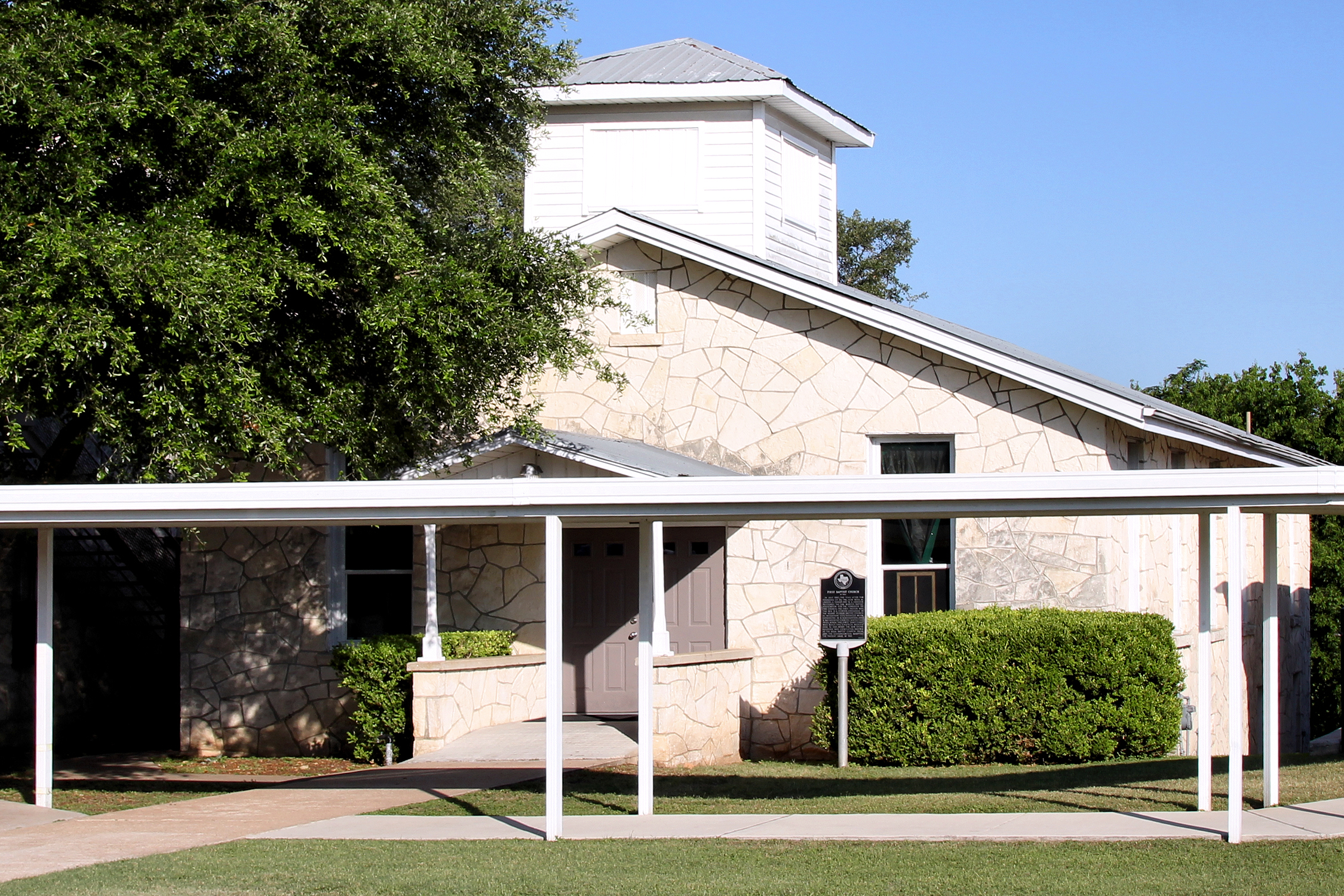
Why a Sunday morning guide matters
If you have ever walked into a new place and spent the first five minutes trying to work out where to go, you already understand the point of this guide. A church on Sunday morning should feel welcoming, not like a scavenger hunt with nicer lighting.
For first-time guests, a little orientation goes a long way. Clear parking, a visible entrance, friendly greeting, and simple next steps can take the pressure off so you can focus on worship, your family, and what brought you here in the first place. That is the heart behind this overview of what to expect at Ridgecrest Baptist Church.
For more general background about the church, you can also visit the About Us page or start at the homepage.

Where to park and which entrance to use
Look for guest-friendly parking near the main arrival areas and follow any signs or greeters who point you toward the entrance. If you are visiting with children, arriving a few minutes early makes the whole process feel much less like a sprint. That is true for everyone, but especially true if you are also carrying a bag, a coffee, and a small human who suddenly has opinions about socks.
Ridgecrest’s historic site content points visitors toward a church map and directions page, so if you want to check the campus layout before you leave home, take a look at the Contacts page and the Church Map page.
If you need direct contact details, the church has also kept contact information available on the contact form page and the older contact page.
What happens when you walk in
Inside, expect a welcome area, greeters, and people who can point you in the right direction without making you feel like you should have studied the floor plan in advance. If you are new, it is perfectly normal to say, “This is my first time here.” Churches hear that all the time, and good churches are built for it.
You may be offered information about worship, children’s ministries, student ministries, groups, and other ways to connect. If you are just there to listen first and figure things out later, that is completely fine too.
Kids and youth check-in basics for families
Families usually want the same three things: find the right room, make sure the kids are safe, and avoid a last-minute paperwork comedy. Ridgecrest’s recovered site content shows children and youth ministries as a clear part of church life, with children’s and student gatherings included in the wider ministry structure. For a quick look at those ministries, see the Kids page, the Youth page, and the Groups page.
When you arrive, ask a greeter where to check in your kids and whether any age-specific or room-specific steps apply that morning. If you have never done church check-in before, think of it as a simple handoff: you give the basics, they help you find the right place, and then everyone gets to the part that matters.
For parents of older students, it is also worth asking where the youth gather and whether there is a separate meeting point for them on Sundays.
What the worship service typically includes
A typical Sunday worship gathering usually includes music, prayer, Scripture reading, and a message from the Bible. At Ridgecrest, the site history points to an informal, contemporary, and message-focused style of worship, so newcomers can expect something that aims to be understandable rather than performative.
You do not need to know special church vocabulary to participate. You can sing along, listen, read the passage, or simply observe. Plenty of people start there. No one gets awarded a gold star for knowing exactly when to stand on the first visit.
To understand how the church describes its ministries and values, the About Us page is a helpful next stop.
How to follow along if church language feels unfamiliar
If words like “fellowship,” “ordinance,” or “Baptist” make you pause for a second, you are not alone. Church language can feel a little like walking into a group chat halfway through the meme thread. The good news is that you can learn the basics quickly.
- Fellowship usually means time spent talking and connecting with other people.
- Sermon means the Bible teaching message shared during worship.
- Prayer is simply talking to God together or quietly on your own.
- Guest means exactly what you think it means: you are welcome here.
If anything is unclear, ask a greeter, a staff member, or someone sitting near you. Most people are happy to help, and asking a question is often the fastest way to feel at home.
For outside reference on what churches often emphasize in guest experience and wayfinding, you may find these helpful: Through the Eyes of a Guest, Church Guest Checklist, and 10 Ways to Be a Welcoming Church.
What happens after the service
After the service, expect people to linger, talk, and make room for conversation. That is one of the nicest parts of Sunday morning: no one is trying to win a prize for leaving first. If you want to meet people, stay a little while. If you need to head out quickly, that is fine too.
This is also a good time to ask questions, learn about ministries, or find out what a good next step might be for your family. If you want to connect with groups or adult classes, the Groups page is a good place to start.
If you are still figuring things out, the most useful next step may simply be a conversation. That might be with a greeter, a pastor, or someone from the welcome team who can point you toward the right page or person.
For broader context on how churches think about guests and next steps, this article from Church Answers is a helpful read: What’s Next?! The Best Question to Ask Regarding Guests At Church?
How to contact the church or find the campus map before Sunday
If you prefer to look things up before you come, start with the Contacts page for church staff and basic contact details. The church also has a dedicated Church Map page that can help you orient yourself before you arrive.
That little bit of prep can make Sunday morning feel much smoother. You do not need to know everything in advance; you just need enough information to arrive, park, walk in, and settle down.
And if you still have questions, ask. Churches are meant to be places where newcomers can ask simple questions without feeling like they have failed a quiz they never signed up for.