What to do before you arrive
The safest default is simple: check the Events Calendar before you leave. That is where service times, special gatherings, and any schedule changes should appear. If your visit lines up with a special event, a quick check can save you from arriving early for the wrong entrance—or late for the right one.
If you are planning your first visit, it also helps to review the Contacts page for the main phone number and email. The question is not whether you can figure it out on the fly. You usually can. The question is whether you want to spend your first five minutes doing that.

Using the Church Map on the site
Start with the Church Map page and match what you see online to the building you are approaching in person. Look for the main campus layout, obvious entrances, and any labels for ministry spaces. If the map uses familiar landmark names, treat those as your best guide rather than trying to improvise a new route in the parking lot.
If you want a general refresher on the church’s location and ministry layout, the About Us page is also a useful companion while you plan your route.
Parking basics for first-time guests
A reasonable default is to look first for the most direct visitor parking near the main entrance, then use accessible parking if someone in your group needs it. Do not assume the closest spot is the right one if you are bringing children, mobility equipment, or multiple bags. Close is not always best; easy entry is often better.
- Choose the most direct space available for your group size.
- Use accessible parking when it is appropriate and permitted.
- If you need a drop-off, pause where the route to the entrance is shortest and safest.
- If traffic feels busy, wait for a calmer gap rather than making a hurried turn.
For general accessibility guidance, the ADA accessible parking guidance is a useful reference. It is a basic checklist, not a substitute for local signage on site.
Finding the right entrance
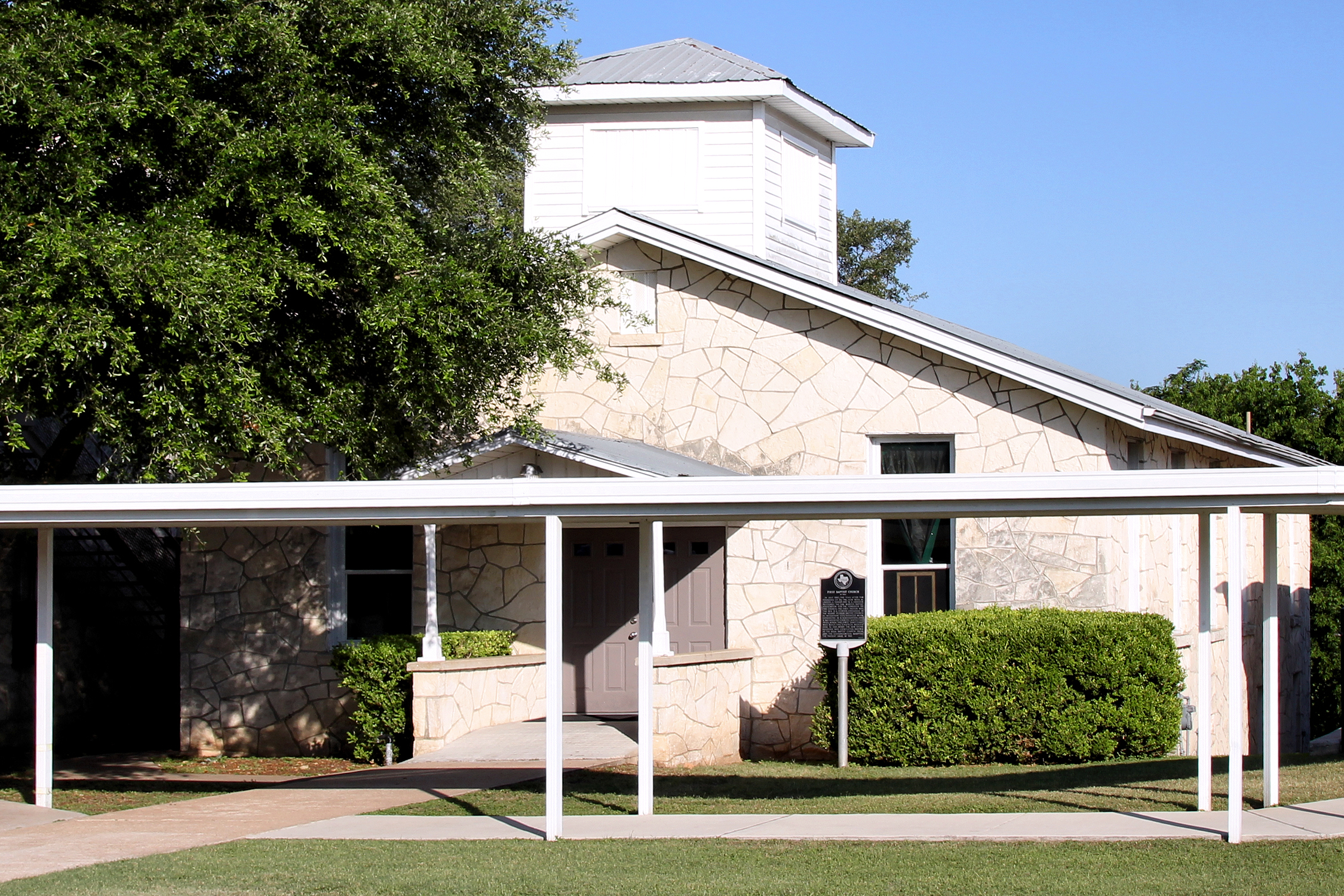
For a first-time visit, the main entrance is usually the simplest choice unless the church communicates a different access point for your service or ministry area. Look for the entrance that seems designed for regular guest flow: clear doors, visible greeters, and a direct path inside. If you are unsure, ask before you park rather than after you have walked halfway around the building.
If your visit is tied to Kids or Youth, the right entrance may be the one closest to those check-in areas. In that case, the best route is the one that gets you to the correct desk quickly, not the one that wins a prize for scenic efficiency.
What happens when you arrive
Once you step inside, expect to be greeted and pointed toward the next step: worship seating, children’s check-in, youth gathering space, or a place to wait. If you need direction, ask a greeter immediately. That is what they are there for.
If you arrive unsure where to go, a simple script works well: “Hi, this is our first time. Where should we go for the service?” If you need broader directions or a follow-up question after the visit, use the contact form or the main contact details on Contacts.
Coming with Kids or Youth
If you are bringing children or teenagers, plan one extra minute for check-in and handoff. For children’s ministries, the safest approach is to ask where the Kids check-in area is as soon as you enter. For teens, ask which room or gathering space is being used that day. If you want a quick preview before you come, the Kids page is a practical place to start.
When in doubt, tell the first person you meet how many in your family are coming and which age group needs help. That gives staff a clean handoff instead of a guessing game.
Accessibility and mobility support
If someone in your group needs extra seating help, a steady route, or time to settle in, let the church know in advance. The best setup is the one that removes friction before it starts. Contact the church with your arrival time, the number of people in your party, and any mobility or seating needs so the team can prepare a reasonable plan.
For general accessibility planning and travel considerations, the CDC overview of accessible communities is a credible starting point. It is not church-specific, but it is useful for thinking through access needs in a practical way.
Questions before you come
If you want to call or email before your visit, include only what the church needs to help you well:
| What to share | Why it helps |
|---|---|
| Your expected arrival time | Helps staff point you toward the right service or check-in area |
| How many people are coming | Makes it easier to plan seating and directions |
| Any Kids or Youth needs | Helps the team direct you to the right room or desk |
| Mobility or accessibility needs | Lets the team prepare the simplest route in advance |
Quick FAQ
What if I’m late?
Come anyway. Enter at the main door, ask a greeter where to go, and settle in quietly. Late is inconvenient; absent is worse.
Is there a place to wait?
Usually there will be a lobby, foyer, or another common space where you can pause and ask for directions. If you are early, use that space to confirm where your group should go next.
Do you have directions on-site?
Yes, that is the normal expectation at a church visitor desk or greeting area. If you need help before you arrive, use Contacts or the contact form.
If you want one final check before you head out, revisit the Events Calendar, confirm the service time, and bring any questions with you. Clear directions are useful. Good manners still matter. Both can coexist.