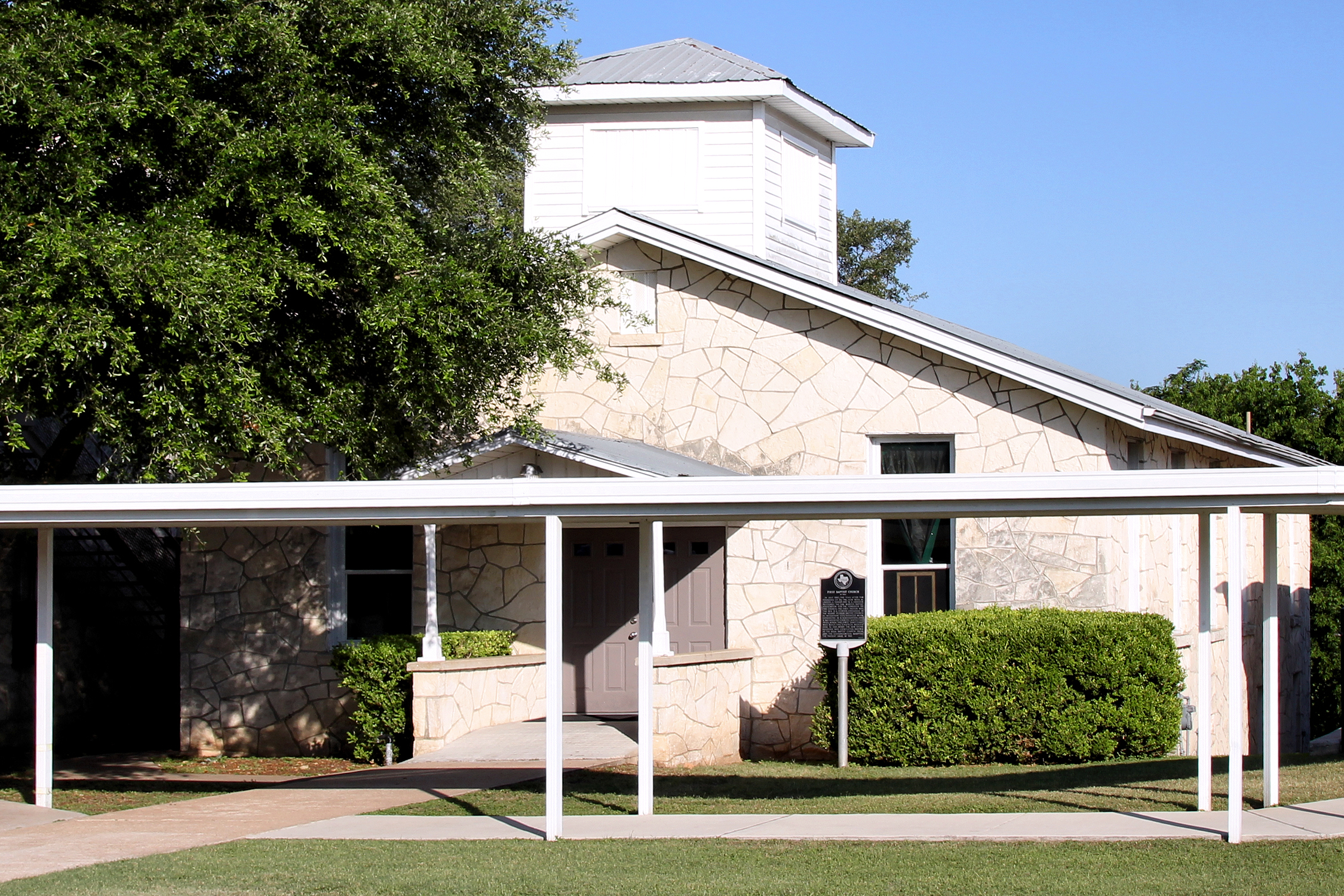

Church news works best when it behaves like a schedule, not a flood. A steady rhythm helps members stay informed, and it helps guests learn what matters without sorting through a pile of insider language.
The goal is simple: publish the right updates, in the right place, at the right pace. For Ridgecrest, that means a News page that is current, useful, and connected to the rest of the site. Start with the main paths people already use: Home, About Us, Events Calendar, Ministries, Kids, Youth, and Contacts.
What belongs in church news
Good news content is practical. It should tell readers what changed, what is coming up, and what action they need to take. Keep it focused on the life of the church, not on internal office traffic.
- Worship updates such as special services, sermon series notes, communion reminders, or schedule changes.
- Ministry highlights that show how kids, youth, groups, or outreach are serving people.
- Prayer needs when they are approved for public posting and worded carefully.
- Event reminders that point readers to the calendar rather than repeating every detail in every place.
- Service opportunities like volunteer needs, meal support, setup help, or community outreach.
That balance matches current church communication guidance, which keeps emphasizing clarity, audience awareness, and the need to prioritize the most important information. Lewis Center for Church Leadership has repeatedly stressed that churches communicate better when announcements are concise and channels are used with discipline, not noise. Their communication guidance is a good reminder that repetition is not the same thing as clarity.
A simple weekly rhythm
The safest rhythm is usually weekly. If the church has enough activity to justify it, a second midweek update can work too. The rule is not “post constantly.” The rule is “never let the News page go stale.”
| Day | What to publish | Why it helps |
|---|---|---|
| Sunday afternoon | One short recap plus the next week’s key reminders | Visitors and members can see what mattered and what comes next |
| Tuesday or Wednesday | Ministry spotlight, volunteer need, or event follow-up | Keeps the page alive between Sundays |
| Friday | Final reminder for weekend events or service changes | Reduces missed details without overloading the week |
If the schedule is lighter, one strong weekly post is enough. A thin post is still better than a page that looks abandoned. Guests notice that faster than most churches think they do.
How to write updates that are easy to scan
Use short sentences. Lead with the most useful detail. Put dates, times, and locations near the top. Avoid phrases that only long-time members understand.
A simple format works well:
- What it is — one sentence.
- Who it is for — members, parents, students, guests, volunteers, or the whole church.
- When and where — exact details, verified before posting.
- What to do next — register, bring something, pray, serve, or contact the church office.
Barna’s research on church communication and digital tools suggests that people still value clear, usable digital hubs, even as technology changes around them. That broader digital pattern supports what most church communicators already know: a clean website page is not decoration. It is a front door.
How to collect submissions without creating clutter
Every church needs a gate. Without one, the News page turns into a stack of half-finished notes, duplicate reminders, and details nobody can verify.
- Use one submission path, such as a web form or a dedicated email address.
- Ask for the minimum needed: title, summary, date, time, location, contact person, and any image permissions.
- Require review before anything is posted.
- Set a deadline, such as noon on Thursday for Sunday publication.
- Keep a short style guide so submissions use plain language, not insider shorthand.
The Lewis Center’s newsletter advice is helpful here too: church communication should connect ministry, mission, and story, not just stack announcements. This newsletter guide makes the same point in a different lane.
What to avoid
A strong News page is defined as much by what it leaves out as by what it includes.
- Insider jargon that visitors will not understand.
- Long meeting notes that belong in staff records, not public updates.
- Duplicate announcements repeated in three places with slightly different wording.
- Unverified details about prayer requests, event times, or ministry changes.
- Sensational language that makes normal church communication sound like breaking news.
Reuters’ standards on accuracy and attribution are written for journalism, but the habit transfers cleanly: verify first, publish second, correct promptly if needed. Their standards page is a good model for any public-facing update workflow.
A practical Ridgecrest workflow
Here is a simple rhythm Ridgecrest can use on the website and in email:
- Collect submissions through one channel during the week.
- Review for accuracy, tone, and duplication.
- Publish one News post that summarizes the most important items.
- Link readers to the Events Calendar for the full schedule.
- Cross-reference Ministries, Kids, and Youth when a story belongs there.
- Send a short email version with the same core details.
- Archive the post so the page remains current and useful.
If that sounds plain, good. Plain systems are easier to maintain. And maintenance is what keeps a News page from becoming a relic.
Why this matters for members and guests
Members want one reliable place to check what is happening next. Guests want to understand the church without learning its private language first. A good News page serves both by staying current, short, and specific.
When the page is disciplined, it also supports the rest of the site. The News page can point to the Events Calendar for dates, the Contacts page for questions, and the ministry pages for details that would otherwise get buried. That is the whole point: one clear update rhythm, many fewer failures.
If Ridgecrest keeps the rhythm small and repeatable, the site will stay readable. That is enough. Most communication problems are not dramatic. They are just neglected.