Special services are easier to enjoy when you know what is coming. A little preparation keeps the morning focused on worship instead of guesswork.
When a church service carries extra meaning—Easter, Christmas, baptism Sunday, a memorial service, or another seasonal gathering—the details matter more than usual. People want to know where to sit, what to wear, whether children should come with them, and how early to arrive. That is not a lack of faith. It is a sensible question about logistics, and logistics are the part of ministry that tends to show up whether anyone planned for it or not.
This guide walks through the basics: what special services are, what to expect, how to prepare your family, and how to invite a friend without making the conversation awkward. For background on why churches plan distinct seasonal worship gatherings, see the overview of Easter celebrations and the history of Christmas observance. For broader guidance on welcoming guests, the Church Law & Tax resource on church administration is also a useful reference point.
By the end, you will have a simple plan for showing up prepared, participating well, and helping someone else feel comfortable doing the same.

What counts as a special service?
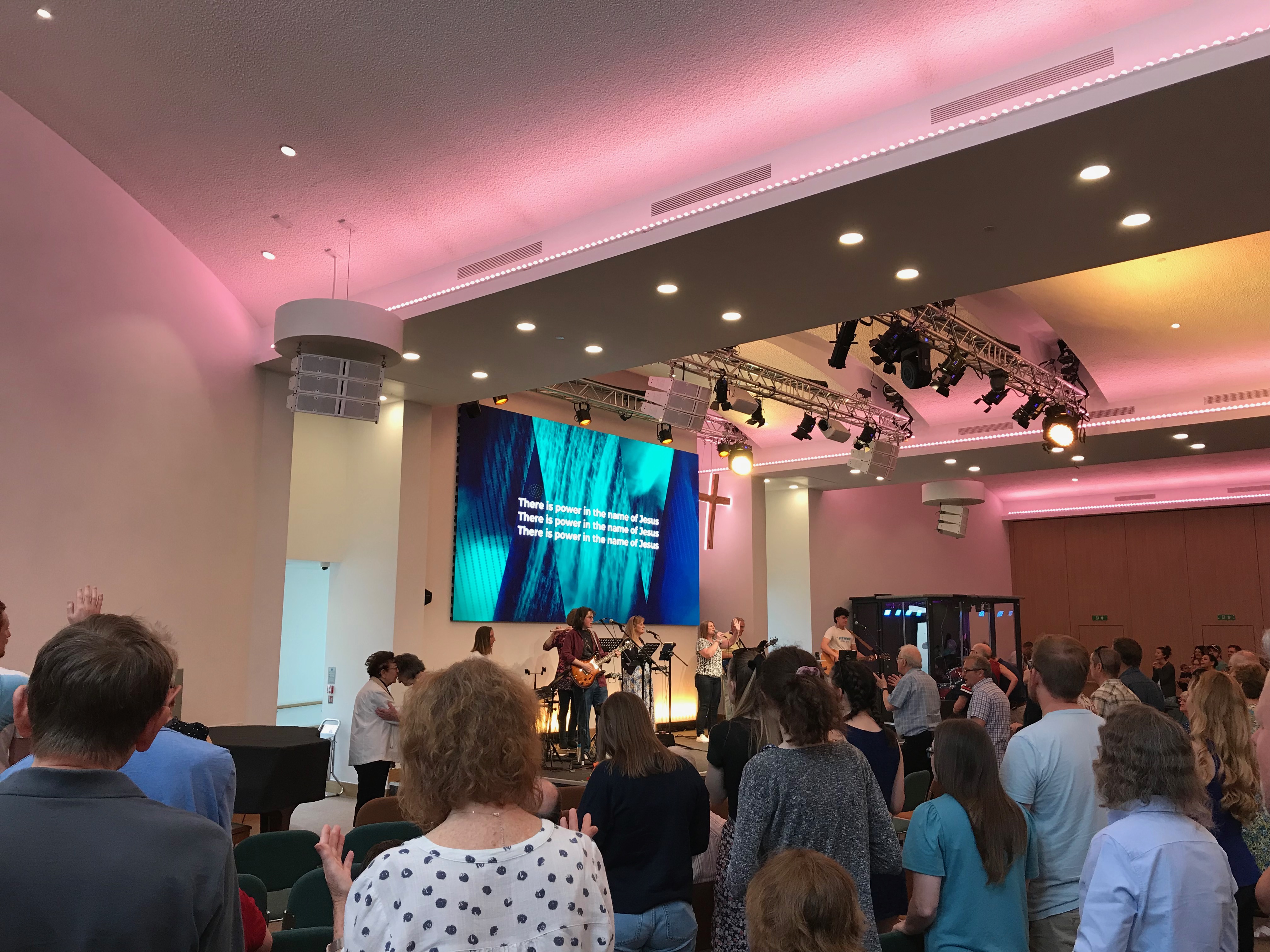
Not every Sunday is the same. Special services usually mean a worship gathering with a distinct seasonal, pastoral, or milestone focus. The service may still follow the normal rhythm of prayer, singing, Scripture, and a message, but the emphasis changes.
- Holiday services: Easter, Christmas Eve, Good Friday, Thanksgiving, and other seasonal worship gatherings.
- Milestone services: Baptisms, child dedications, graduation recognition, or membership celebrations.
- Pastoral services: Memorial services, prayer gatherings, or other moments shaped by care and reflection.
- Community services: Events that bring guests, families, or local partners into the room.
For a church like Ridgecrest, the practical question is not whether the service is “special” in a marketing sense. The real question is whether the event has a different flow than a normal Sunday and therefore deserves a little planning.
What to expect when you arrive
Special services often feel fuller, busier, and slightly less predictable than a regular Sunday morning. That is normal. A few things often change at once: seating patterns, parking, music, sermon length, and family attendance.
| Area | What may be different | What you should do |
|---|---|---|
| Arrival | More guests, tighter parking, heavier traffic before the service | Arrive earlier than usual and leave extra time for children or older guests |
| Seating | Main sections may fill faster | Choose seats as a group if you want to sit together |
| Kids | Check-in may take longer if more families are present | Know the process before you walk in; see the church’s Kids page if available |
| Music and message | Seasonal songs, a shorter announcement block, or a special testimony | Expect the service to have a stronger theme than a normal Sunday |
If you are attending with visitors, tell them one useful thing before they arrive: where to park, how long the service will last, and whether there is a kids option. That single sentence does more good than a five-minute tour of the entire church history. Efficiency is a virtue.
How to prepare before the service
Preparation is mostly about removing friction. You do not need a binder. You do need a few decisions made ahead of time.
1. Check the event details
Start with the Events Calendar so you know the date, time, location, and any special instructions. If the church has added notes about children, attire, seating, or fellowship after the service, read them before you leave home.
2. Decide your arrival plan
For larger holiday gatherings, aim to arrive 15 to 20 minutes early. That gives you time to park, find a seat, and settle children without rushing. If you are bringing grandparents, guests, or someone with mobility concerns, build in even more time.
3. Plan for children in advance
If your kids will attend the service with you, keep them fed, rested, and aware of what is happening. If they will go to children’s ministry, make sure you know the check-in process and pickup location. The smoother the handoff, the less likely your morning becomes an emergency meeting with snack wrappers.
4. Bring what you will actually use
- A Bible or a device with your preferred Bible app
- A pen and notes if you like to write down sermon points
- Quiet items for young children if appropriate
- Water, tissues, or anything you need for comfort
- Invited guests’ contact information only if they want follow-up
For practical reasons, many churches also encourage visitors to use the church’s Contact page if they have questions before arriving. A simple message often prevents avoidable confusion later.
How to participate well during the service
The best participation is attentive, not performative. You do not need to know every song or every tradition to take part respectfully.
- Arrive settled. A calm start makes it easier to listen.
- Join the music where you can. Sing if you are comfortable; listen if you are not.
- Follow the cues. Stand, sit, pray, or respond as the congregation does.
- Keep distractions low. Silence phones and watch small children with realism, not optimism.
- Stay for the finish. The last part of the service often contains the clearest next step.
If the service includes communion, baptism, or a testimony, listen for any instructions from the pastor or service leader. These moments are not meant to confuse people; they are meant to help the church act together with clarity.
For a helpful external reference on seasonal worship and congregation planning, the Ministry Magazine archives often discuss how churches shape services around audience, liturgy, and communication. The details change; the need for planning does not.
How to invite friends without making it strange
Inviting someone to a special service works best when you make it easy to say yes. Do not oversell. Do not under-explain. Give the person enough information to decide comfortably.
- Pick one clear invitation. “Would you like to come with me to our Easter service?” is better than a vague “You should come sometime.”
- State the basics. Tell them the time, expected length, and whether there is a kids option.
- Describe the tone. Let them know whether the service is formal, casual, reflective, or family-focused.
- Offer a practical out. Say they do not need to know all the traditions in advance.
- Follow up once. One reminder is kind. Three is a sales campaign, and nobody asked for that.
If a friend is hesitant, offer to meet them in the parking lot or help them find the right entrance. The smallest logistical help often lowers the social cost of attending.
What to do the week before
A simple checklist removes most of the friction:
- Confirm the service time and any schedule changes.
- Review childcare or family check-in plans.
- Choose clothes and gather what you need the night before.
- Invite one friend or family member if that fits your plan.
- Check the About Us page if a guest wants to know more about the church before coming.
You do not need to prepare for a special service as if you are briefing a committee. You just need enough clarity to arrive relaxed, participate intentionally, and leave with your attention on the message rather than the mechanics.
Quick summary
- Special services usually carry a seasonal or milestone focus.
- Expect fuller attendance and a more specific service flow.
- Check the Events Calendar, plan your arrival, and prepare for children in advance.
- Invite friends with clear, simple details.
- If you have questions, use the Contact page before the service day arrives.
Bottom line: special services are easier when you remove uncertainty early. Decide what you need, show up with a plan, and leave room for worship to do its work.