
Want to serve Ridgecrest but not sure where to start? This step-by-step guide breaks volunteering into simple choices—so you can find a place that fits your time, gifts, and comfort level.
When you’re searching for “volunteer opportunities,” you’re probably asking:
- What kinds of teams need help?
- How do I sign up (and what happens after)?
- Do I have to be experienced?
- How do kids and youth volunteers work safely?
Volunteering is one of the easiest ways to build real community—both for the people being served and for the volunteers themselves. For example, the Corporation for National and Community Service explains how volunteering connects individuals to their communities, and the CDC’s guidance for child safety emphasizes age-appropriate, safety-focused practices when children are involved. (Use this article as a starting point, and reach out if you want the specific next step for your situation.)
By the end, you’ll know where volunteering shows up at Ridgecrest, how to take the next step, and what current volunteers say helps them feel confident from day one.
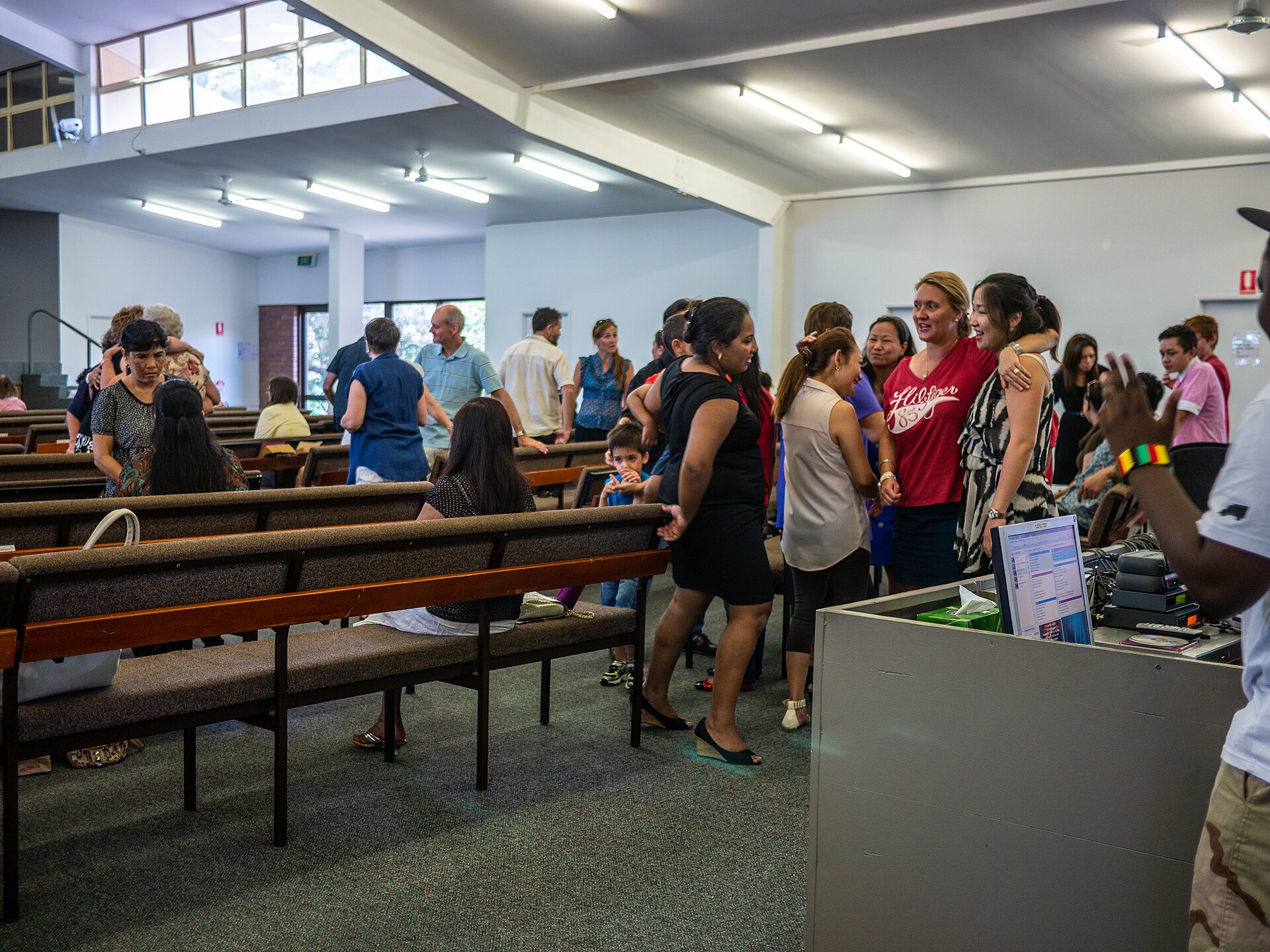
Benefits of volunteering (even if you’re not sure you’re “ready”)
Volunteering is not only about filling a slot. It’s also about becoming part of something steady—helping people feel welcomed, supported, and cared for.
- It’s a clear next step: you’ll always know what to do, where to be, and who to ask.
- You build relationships: you’ll work alongside teammates who become familiar faces.
- Your gifts get used: service isn’t limited to “talent”—it includes reliability, kindness, and learning.
- You help others take part: when one area is covered well, visitors and families can relax and participate.
Different areas to volunteer in
Here’s a practical map of common volunteer “lanes” at Ridgecrest. Choose one that matches your schedule and energy—no need to do everything at once.
Welcome & connection teams
This is a great starting point if you enjoy people, greeting, or helping others feel at home.
- Greeters and meet-and-greet
- Information support (helping people find where they need to go)
- Hospitality support (small, behind-the-scenes kindness counts)
Kids ministry support
If you like working with families and following safety processes, there are often age-appropriate roles available. Kids ministry support typically involves structured check-in and clear volunteer expectations.
- Check-in and check-out support
- Team support during kids programming
- Helping with supplies and room readiness
Youth ministry support
Youth roles usually focus on helping students feel seen, safe, and supported during their weekly rhythms.
- Set-up and space preparation
- Small group and activity support (with guidance)
- Support for transitions and pickup
Worship, tech, and facilities
These teams help Sunday run smoothly—from the things people notice to the things they rarely think about (which is exactly the point).
- Sound and media support
- Slides and presentation support
- Room set-up and basic facilities help
Events, outreach, and special needs
When something special is coming up, volunteers often help with planning, logistics, and care for details.
- Event-day support
- Practical help for ministry moments
- Projects that match seasonal needs
Tip: If you’re not sure where to start, it’s perfectly reasonable to begin with welcome/connection. You’ll still be serving, learning the culture, and building confidence.
How to sign up and get started (simple, step-by-step)
Think of volunteering like joining a group: you’ll take a first step, learn the expectations, and then decide what fits.
Step 1: Pick your “first try” team
Choose one area and one time window you can commit to consistently. If Sundays work best, start there. If you prefer midweek, look at opportunities connected to Kids or Youth programming.
Step 2: Check the rhythm of what’s coming up
Use the Events Calendar to see upcoming service opportunities and dates where extra help is needed. If you’re volunteering for something that happens on a specific day, this helps you line up your schedule.
Step 3: Contact the right person
The easiest next step is to reach out through the Contact page and say what kind of volunteering you’re interested in.
Include these details:
- Which team you’re interested in (welcome, kids, youth, tech/facilities, events)
- Which days/times you’re usually available
- Any skills that might be helpful (for example: setting up rooms, helping with supplies, tech/media readiness)
- Whether you’re looking for a one-time help opportunity or an ongoing role
- If kids/youth are involved, ask what onboarding and safety steps look like
Step 4: Learn the expectations (before the first shift)
Most volunteer roles come with simple instructions—where to park, what time to arrive, who to check in with, and what “good help” looks like in that area.
For roles involving children, you can also expect safety-focused processes. The CDC’s child safety guidance highlights the importance of supervision, clear boundaries, and responsible practices—so ask about the specific steps Ridgecrest uses for volunteer safety.
Step 5: Show up—and let the team guide you
Your first shift doesn’t need to be perfect. It needs to be steady. A lot of volunteer teams are built on “learn together,” with a teammate who can walk you through the workflow.
Sharing experiences from current volunteers (what helps most people)
Every volunteer’s story is different, but the most common “aha” moment is surprisingly consistent: volunteering becomes easier when you know what to do next and who you’re doing it with.
What usually makes the first day feel easier
- Clear arrival time: knowing when to be there removes stress.
- A simple handoff: being shown “start here” and “ask this person” helps.
- Small, doable tasks: you can serve even if you’re new.
- Room to learn: teams expect questions—especially early on.
A few ways volunteers often describe “feeling at home”
- “I didn’t have to guess—I knew who to talk to.”
- “Once I understood the flow, I could focus on people.”
- “It was easier than I expected, and the team was welcoming.”
If you want a next step that matches your curiosity, consider starting with a conversation and a single shift. You can always grow into more later.
Quick recap: your next volunteering steps
- Choose one area you can commit to.
- Check what’s coming up on the Events Calendar.
- Message through the Contact page with your availability and interests.
- Follow onboarding steps (especially for kids/youth roles).
- Serve your first shift and ask questions—learning is part of the process.
Want another doorway besides volunteering?
If you’re also exploring community beyond a single team, you might browse groups to find relationships and shared service opportunities that fit your season.