If your Sunday morning plan currently consists of “show up and hope for the best,” this guide is for you. Ridgecrest’s worship gathering is meant to be welcoming, clear, and easy to follow. The short version is simple: arrive a little early, start at the welcome area, and let the morning unfold one step at a time.
By Nora Finch | Updated July 9, 2026
If you want the fastest route to the basics, start with the home page for the church overview, the Events Calendar for the latest timing, and the Church Map if you like to know where your shoes are going before you do. For special notices and midweek updates, the News page is the other good tab to keep open. For a simple outside checklist on first-Sunday timing, United Methodist Communications has a helpful Know Before You Go guide for your first Sunday.
Quick Overview of Sunday Morning Worship
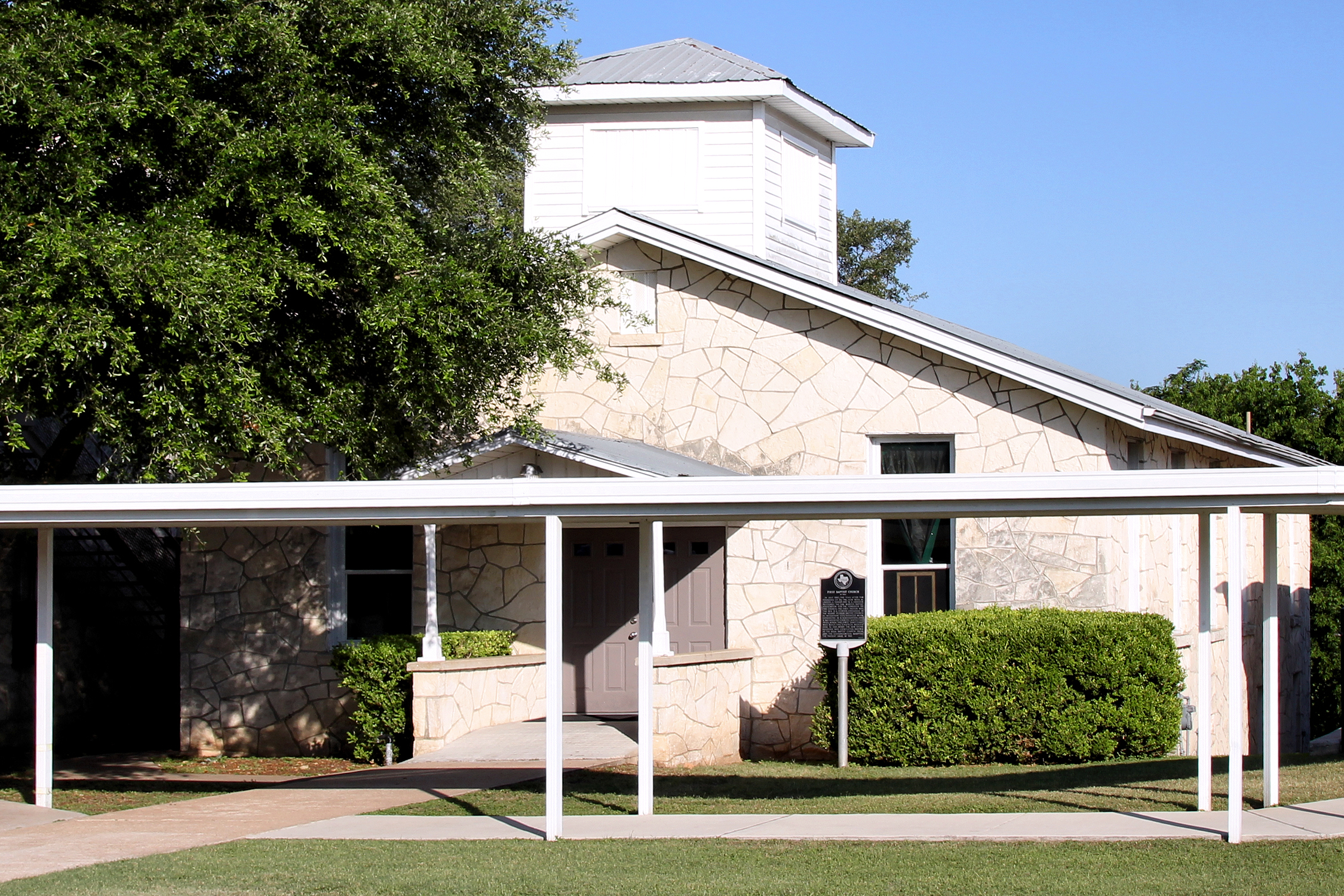
Sunday morning at Ridgecrest is centered on worship, teaching, and the kind of connection that helps people settle in without a lot of pressure. Think of it as a clear path rather than a scavenger hunt. You will usually see singing, prayer, Bible reading, a message, and a few practical moments that help people know what is happening next.
The public site currently shows Sunday classes at 8:45 a.m. and Sunday worship at 10:00 a.m., so if you are planning a first visit, those are the two times worth circling. Arriving early gives you space to park, find the right entrance, and ask one or two questions before the room gets busy. Nobody needs a heroic parking lot story before coffee.
When to Arrive
A 10- to 15-minute buffer is the sweet spot for most visitors. That gives you enough time to find a spot, walk in calmly, and figure out where the sanctuary, welcome area, or kids check-in is located. If you are bringing children, a student, or a relative who likes to stop and inspect every hallway sign, give yourself a few extra minutes.
Arriving early helps with three things:
- Parking: you are less likely to circle the lot like a contestant in a very quiet game show.
- Greeting: greeters can answer your questions before the service starts.
- Settling in: you can find seating, take a breath, and orient yourself before the first song.
If you want a reminder system for your phone, Google Calendar’s notification help is a practical way to set one without overcomplicating your Sunday.
Where to Go First
When you walk in, start with the welcome area or any visible greeter. That is the quickest way to learn where to sit, where to check in children, and where to ask about youth or accessibility support. The goal is not to memorize the whole building on the way to the door. The goal is to get one clear answer quickly.
If you are trying to orient yourself before you leave home, the Church Map gives you a clean first look at campus navigation, and the Contacts page is the best place to find church staff details if you want to ask ahead of time. If you are checking details for a special Sunday, keep the Events Calendar open too.
A useful rule of thumb: ask the first obvious person you see. At most churches, that is a greeter, usher, or hospitality volunteer. They are there for exactly the questions visitors usually have, which is convenient for everyone involved.
During Worship
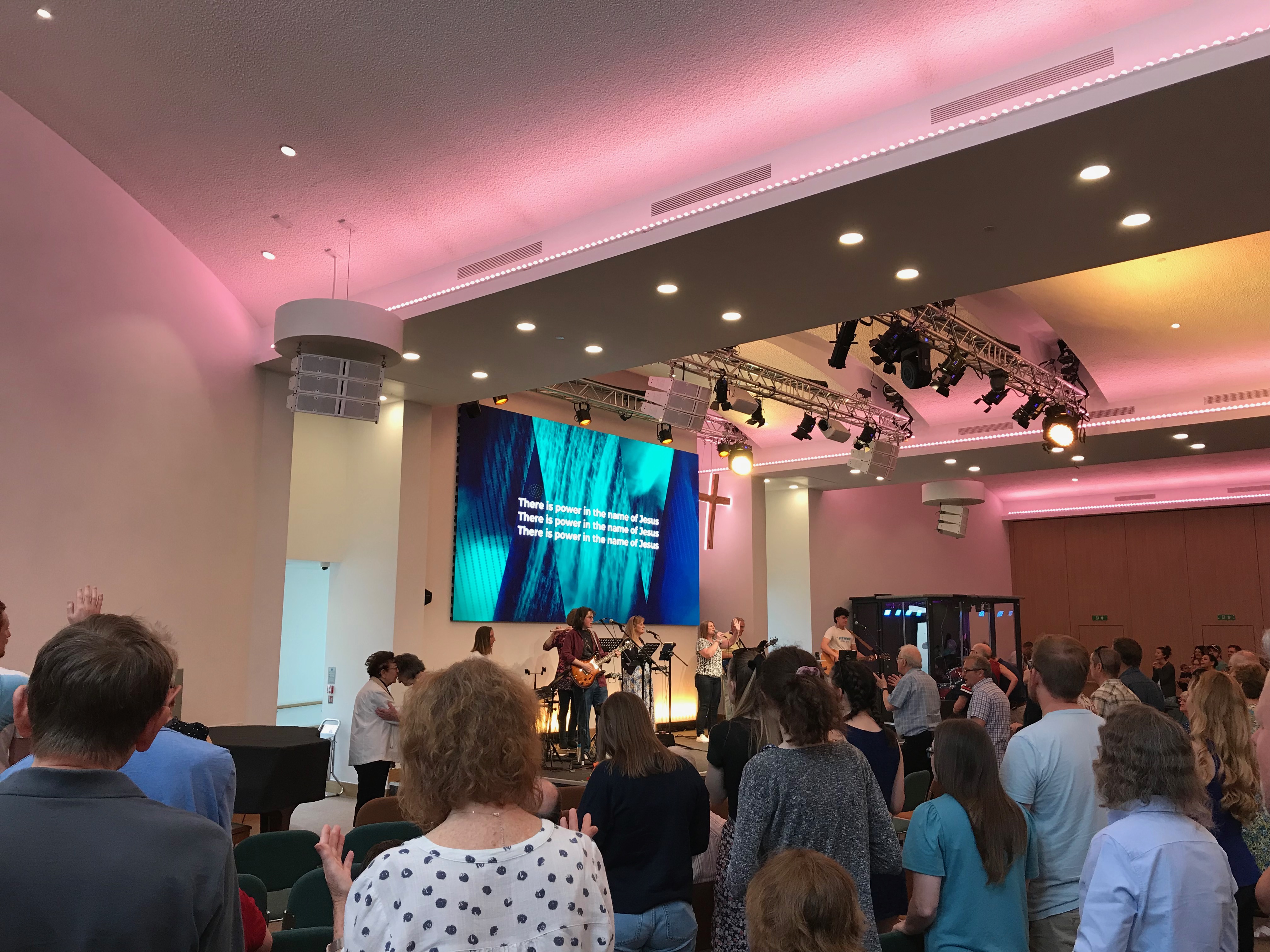
Once the service begins, you can expect a fairly straightforward rhythm: greeting, worship music, prayer, Bible reading, teaching, and a closing moment that helps people know what comes next. You do not need to know the songs in advance, and you do not need a perfect church background to keep up.
If you are wondering what to do with your hands, the answer is refreshingly low-stakes: stand, sit, sing, or simply follow along as you feel comfortable. Most visitors spend the first Sunday watching the flow and learning the room. That is normal.
When the Bible is read aloud or a message is given, it may help to remember one simple link between Sunday morning and the rest of the week. For a plain-language reminder of why congregational worship includes gathering, encouragement, and shared faith, Hebrews 10:24-25 on BibleGateway is a helpful passage to read after the service, not because you need homework, but because it keeps the main idea in view. If you want a broader description of why services may move through standing, sitting, sung responses, and readings, The Episcopal Church’s What to Expect When You Visit offers a plain overview.
Giving is usually part of Sunday worship in many churches, so here is the plain version: if an offering is received, you are welcome to participate if you want to, and you are also welcome to observe while you are still learning. A first visit is not a billing cycle.
For Kids and Youth
If you are bringing children, start with the Kids page before Sunday if you can. It helps you understand the current age groups and gives you a better sense of where check-in happens. For older students, the Youth page explains the basic student-ministry rhythm and where youth fit into the church schedule.
In practical terms, families usually want four answers first:
- Where do we check in?
- Who helps us at the door?
- Where do kids or students go after check-in?
- How do we handle pickup afterward?
If you have an access need or want to confirm a detail ahead of time, the Contacts page is the right place to ask. For broader background on access planning, the ADA National Network is a reliable third-party resource for general accessibility questions.
After Worship
After the service, the best next step is simple: stay long enough to say hello if you want to, then leave if that feels right for your day. There is no rule that says a visitor must become a hallway marathoner before lunch.
If you want to connect, ask a greeter, usher, or staff member where the connect desk or next-step conversation usually happens. You can also use the News page and Events Calendar to look for upcoming gatherings that might help you return with a bit more confidence next time.
For a practical follow-up reminder, think in this order: learn one name, find one page, and pick one next step. That is enough for a first Sunday.
Questions to Ask When You Arrive
If you are standing in the lobby and your brain has gone politely blank, here are a few questions that are actually useful:
- Where should I go for worship?
- Is there a kids check-in area I should use first?
- Where do I find the youth space?
- Who can help me if I have a question after the service?
- What page should I check for the latest schedule changes?
That is usually enough to get oriented without making the morning feel formal or fussy.
FAQ
Do I need to dress up?
No. Wear something comfortable and respectful. Ridgecrest’s public pages present the church as approachable, and visitors are not expected to arrive in costume as “a person who definitely has it all together.”
Can I bring my kids?
Yes. Families are welcome, and the Kids page gives you the best starting point for children’s ministry details. If you have a teen, check the Youth page too.
Where do I find the latest info?
Use the Events Calendar for upcoming dates, the News page for updates, and the Contacts page if you need to ask a direct question.
Call to Action
If Sunday morning is already on your calendar, check the Events Calendar before you come, then use the Contacts page if you want to ask anything ahead of time. A calm first visit usually starts with one good question and one page you trust.