
A prayer request should be clear enough to carry, and private enough to protect what belongs to God and the people involved.
By Grant Vale | Updated July 6, 2026
When you prepare a prayer request, the pressure is not to sound polished. The pressure is to be clear, respectful, and honest. That is the job. A good request gives Ridgecrest enough context to pray wisely, while keeping sensitive details out of view when they do not belong there.
The Bible treats prayer as direct and steady, not performative. Philippians 4:6-7 points toward honest prayer, and James 5:16 reminds believers to pray for one another with care. That same standard helps when you send a request to the church: say enough to be understood, and no more than necessary to protect what should remain private.
If you need a starting point, the church Contacts page is the safest place to begin. If you prefer a form-style path, use the Contact Us page. Keep the note short, specific, and calm. Prayer is not a performance review, and the request should not read like one.
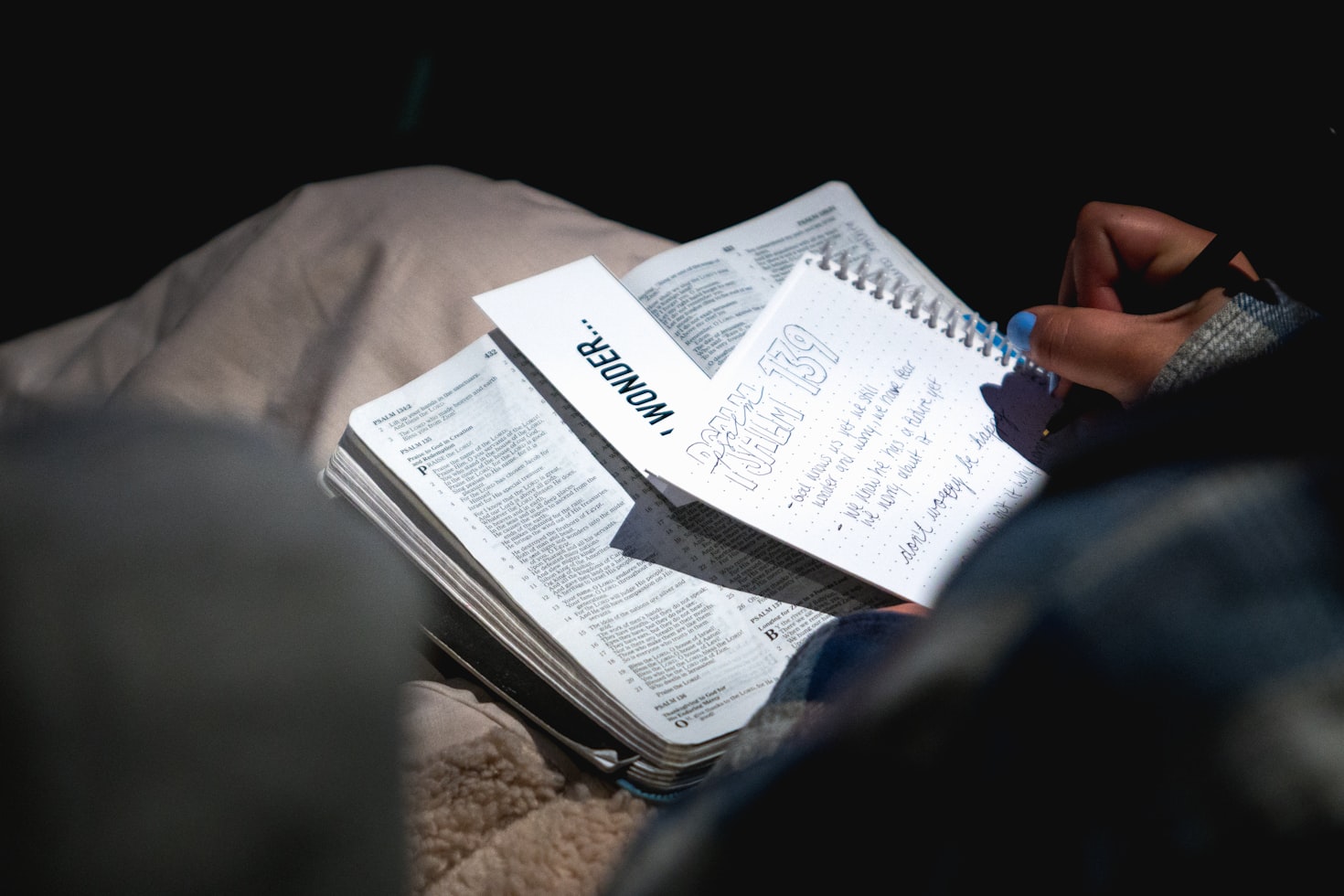
Step 1: Decide What Kind of Request You Are Sharing
Not every prayer request has the same shape. Before you write, decide which lane you are in. That gives the church a cleaner path to follow and helps you avoid saying too much or too little.
| Request type | What it means | When to use it |
|---|---|---|
| Prayer need | You are asking for prayer over a present burden, decision, illness, or family matter. | Use this when you want the church to pray with you about a real need. |
| Praise report | You are thanking God for an answer, an encouraging outcome, or progress in a situation. | Use this when you want the church to celebrate what has changed. |
| Ongoing request | You are asking for steady prayer over a longer season. | Use this when the need is not finished and may need repeated prayer. |
If you are not sure which one it is, choose the simplest honest label. A short sentence like “This is an ongoing request for our family” is enough to orient the reader. You do not need to over-explain the category before you explain the need.
One more point deserves a straight answer: if you are asking for prayer for someone else, say that plainly. Do not hide the relationship. Consent matters, and the church should not have to guess whether you are speaking for a spouse, child, parent, friend, or neighbor.
Step 2: What to Include
A useful prayer request has four parts: a name or initials, a clear need, a bit of context, and any time pressure that matters. That is usually enough. More than that can be useful, but only if the extra detail truly helps people pray with understanding.
Include these basics:
- First name or initials: enough to identify the request without exposing more than necessary.
- General situation: what is happening in plain language.
- Type of prayer needed: healing, wisdom, comfort, peace, strength, travel safety, or another clear focus.
- Time sensitivity: a date, deadline, appointment, move, or urgent moment if one exists.
That is the minimum safe setup. If you want a model, think like this: a stranger should be able to read the request once and know what to pray for. If they need a decoding manual, the request is too vague. If they can see the whole life story in three sentences, it is probably too much.
Examples help because they remove the guesswork:
- Healing: “Please pray for Sarah as she prepares for surgery on Thursday. We are asking for peace, wisdom for the medical team, and a steady recovery.”
- Family support: “Please pray for our family during a difficult week. We need patience, calm, and clear communication.”
- Guidance: “Please pray for discernment as I make a work decision by the end of the month.”
- Ongoing burden: “Please pray for an ongoing family matter. We would appreciate continued prayer and confidentiality.”
Notice the pattern. The requests do not begin with a history lesson. They begin with the need. That is not cold. It is disciplined. A prayer request is meant to be carried, not archived.
Step 3: What to Avoid
Respect is not just about what you include. It is also about what you leave out. If a detail is too private to read aloud in a room of people, it probably should not go in the request unless you explicitly mark it private and know where it is going.
| Leave this out | Why it should stay out |
|---|---|
| Overly personal details | If the detail does not change how people pray, it does not need to be there. |
| Information you do not have permission to share | Consent matters when the request involves another person. |
| Long backstory | Extra history can bury the actual prayer point. |
| Medical, family, or financial detail that is not relevant | More detail is not automatically more helpful. |
| Anything you would not want repeated beyond the intended audience | If it feels exposed, keep it brief or mark it confidential. |
Use a simple filter before you send anything: does this line help someone pray, or does it only satisfy my urge to explain? If it is only the second thing, cut it.
For a biblical reminder that prayer can be quiet and disciplined, Matthew 6:6 is a steady guide. Private prayer has a place. Not every burden needs a broad audience.
Step 4: How to Submit
Once the request is ready, send it through the church’s normal contact path. Start with the Contacts page. If a form is easier, use Contact Us. Either path keeps the message in the church’s hands without making you hunt through menus or guess at the right office.
- Write one clear sentence about the need.
- Add any time-sensitive detail.
- State whether the request should be public, private, or limited.
- Include your preferred follow-up contact only if you want one.
- Send it and keep the wording simple.
If you are choosing between too much explanation and too little, lean toward too little. The church can ask for more detail if it needs it. It is harder to pull back details after you have already written them in full.
If the situation has become an immediate crisis or someone may be in danger, prayer request intake is not the first line of defense. Contact local emergency services first, and in the U.S. use the 988 Suicide & Crisis Lifeline for immediate support.
Some churches keep this kind of intake in a simple online workflow, and a small web app generator can be a practical starting point when a team wants a basic request form or follow-up path without building everything by hand. The tool is secondary. The rule is not: the request must still be clear, readable, and private by default.
If your request is urgent in the ordinary human sense, say so plainly. Do not decorate it. A direct line like “This needs prayer today” is enough. Plain language travels better than dramatic language, and it is less likely to be misunderstood.
A simple template can help when you feel stuck:
Name or initials: [who the request is for]
Need: [what to pray for]
Timing: [today, this week, by Friday, ongoing]
Privacy: [public / private / limited]
Follow-up: [include only if you want contact]
That template keeps the message disciplined. It also prevents the common mistake of writing the whole story before naming the actual request. If you need more words later, you can always add them. Start with the bones. Add only what helps the church pray.
Step 5: What Happens Next
After you submit a request, the normal flow is straightforward. The church receives the message, reads it, and handles it according to the details you provided. If the request is marked private, it should stay limited. If it is public, it may be shared more broadly in the church’s prayer life. If more information is needed, someone may follow up. If not, the request can still be prayed over without extra back-and-forth.
What should you expect? Care, discretion, and no false promises. The church can promise to receive the request and treat it responsibly. It cannot promise a specific answer time or a specific outcome. That is not evasion. That is honesty.
For churches that want to keep request handling orderly, the main failure modes are familiar: unclear messages, missing contact details when a follow-up is needed, and requests that travel farther than the sender intended. A stable process prevents that. The system should be simple enough that a tired volunteer can follow it without guessing.
If you are thinking from the church side as well as the sender side, the operational standard is plain: receive the request, sort it by privacy, and route it only as far as the sender allowed. That is a good baseline for any ministry communication channel.
Privacy and Updates
Privacy is not an optional extra. It is part of the request itself. If the matter is sensitive, say that directly. A short line like “Please keep this private” is enough. You do not need a legal brief. You need a boundary.
That boundary can take a few forms:
- Public: the need can be shared broadly.
- Private: the request should stay with a smaller group.
- Limited: the church may share the need in general terms, but not the details.
If you are not sure, choose the more private option. That is the conservative choice, and it is usually the right one. It is easier to widen a request later than to retract something that moved too far too soon.
When a situation changes, send an update through the same contact path. If there is a praise report, include it. If the need has passed, say that clearly. If the request should stop being shared, say that as well. A simple update is enough:
“Thank you for praying. The procedure went well, and we would now appreciate prayer for recovery. Please keep this limited.”
That kind of note helps the church stay current without forcing everyone to guess what changed. 1 Thessalonians 5:17 keeps the posture simple: keep praying. The request can change; the habit should not.
If you need to withdraw a request, say that plainly. You do not need a long explanation, and you do not need to apologize for protecting privacy. A short follow-up through the same contact path is enough: “Please stop sharing this request” or “Please remove this from the prayer list.” That is a reasonable boundary, and it should be treated as one.
If the request changes shape, send the update rather than leaving people with stale information. A fresh note can be brief: what changed, whether prayer should continue, and whether the church may still mention it. That keeps the record useful and avoids the kind of confusion that turns a prayer list into a failure mode. Quiet correction is better than public cleanup later.
Accessibility
Not everyone wants to type out a request. Some people are on a phone. Some people are tired. Some people would rather speak than write. That is fine. Use the path that is easiest to carry without confusion.
If typing is difficult, call the church through the Contacts page and ask for help. If you prefer to start online but want the simplest route, use the Contact Us form and keep the message short. You do not need perfect formatting. You need a message the church can understand and handle with care.
If someone is helping you draft the request, give that person the same instructions you would use yourself: name the need, keep the detail level modest, and state the privacy preference clearly. Assistance should make the request clearer, not louder.
A Short Checklist Before You Send
- Did you say who or what the prayer is for?
- Did you include the main need in one clear sentence?
- Did you leave out details that do not help people pray?
- Did you state whether the request is public, private, or limited?
- Did you note any date, deadline, or urgent timing?
- If it is for someone else, did you mention your relationship and permission when relevant?
- Did you choose the right contact path on Contacts or Contact Us?
If the answer is yes to most of those, the message is ready. Do not keep polishing it after that. Prayer requests are not supposed to look like formal reports. They are supposed to be understandable and true.
What a Good Request Sounds Like
Sometimes the best way to learn is to see the finished shape. These examples are short, but they are complete enough to use as a model:
Example 1: “Please pray for my mother as she prepares for surgery on Monday. We are asking for peace, skill for the doctors, and a steady recovery. Please keep this private.”
Example 2: “Please pray for our family this week as we move and adjust to a new schedule. We need patience, rest, and good communication. The general request may be shared, but please leave out specifics.”
Example 3: “Please pray for a friend who is grieving. I have permission to ask for prayer, but not to share details publicly. Please pray for comfort and strength.”
Each example does the same work: it says who, what, when, and how much can be shared. That is enough. The request is not improved by a longer backstory. It is improved by cleaner boundaries.
What Ridgecrest Is Trying to Protect
A prayer request process protects three things at once: the person who needs prayer, the people who will pray, and the trust that holds the whole exchange together. If a request is too vague, people cannot pray wisely. If it is too detailed, someone may feel exposed. If it goes to the wrong place, it can create noise where there should have been care.
That is why the steps matter. They are not bureaucracy for its own sake. They are guardrails. A church that treats requests carefully is being faithful with other people’s burdens.
If you need related information while you wait or prepare, the Resources page can help you find the next step, and the News page can keep you aware of church updates that matter to the wider congregation. Those pages are not substitutes for prayer. They are simply useful support when you need direction.
Closing
If you are carrying something today, send the request. Keep it clear. Keep it respectful. Keep the details limited to what people need in order to pray well. Then let the church do its part.
Start with Contacts or Contact Us, choose the privacy level that fits the situation, and include only the details that help the request stay useful. If the burden changes later, send an update. If it turns into a praise report, say that too. The church should be ready for both.
Ridgecrest is here to pray with you. That is the point, and the process should serve that point without getting in the way.