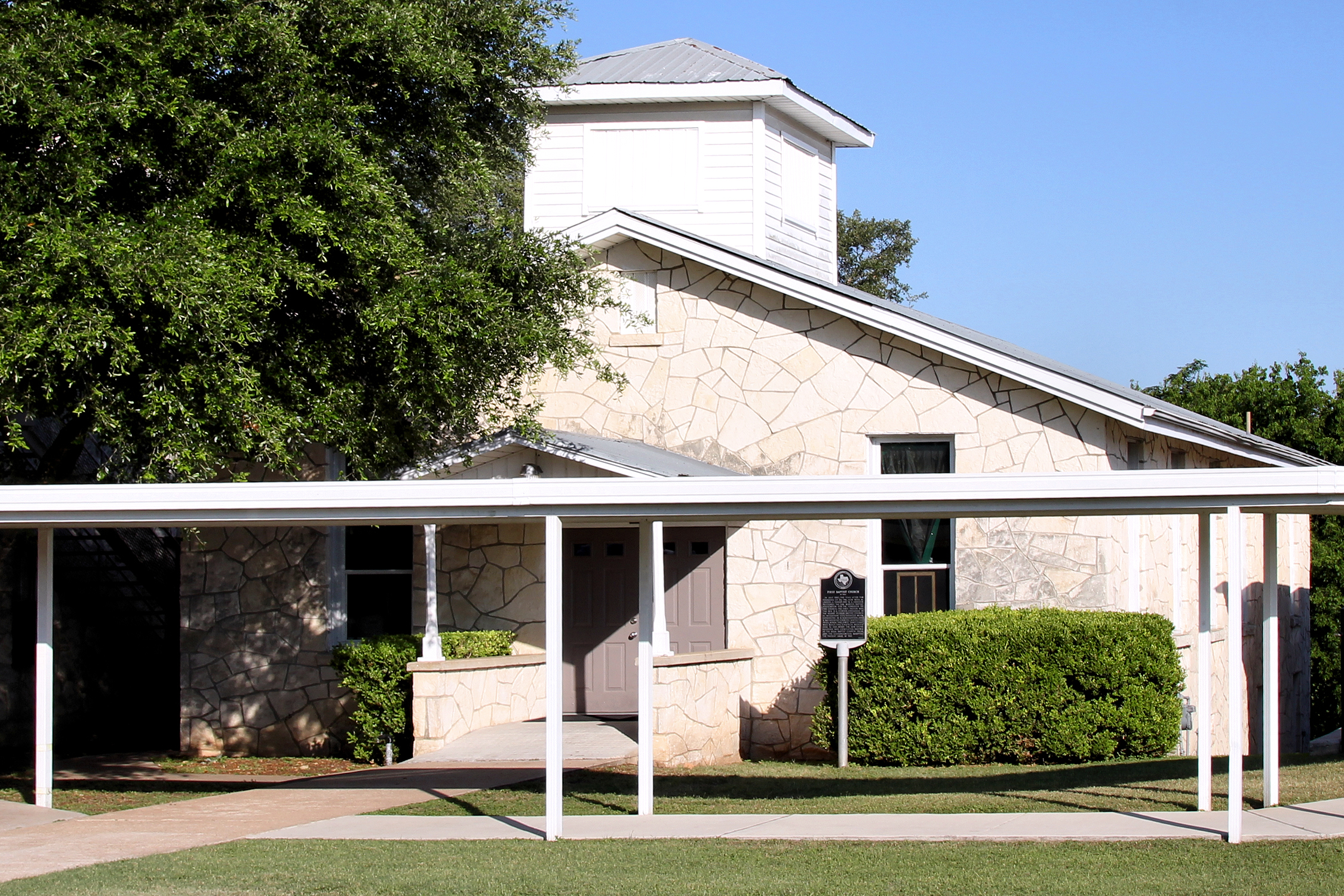
A welcoming Sunday rarely happens by accident. It usually happens because a few steady people are paying attention before you ever wonder where to sit, where your child should go, or whether it is okay to ask for help.
If you have ever walked into a church and thought, “Do I just follow the crowd?” or “Who do I ask without feeling awkward?” this is the plain version first. At Ridgecrest Baptist Church, Sunday teams help remove little points of friction so worshippers can focus on the service instead of guessing their way through the morning.
This article gives a quick map of what greeters, ushers, and hospitality volunteers typically do, how families can find the right help, and what to do if you want to serve alongside them. If you want the bigger picture of the church’s mission, the About Us page is a good next stop. If you mainly want the “where do I go this Sunday?” version, keep reading.
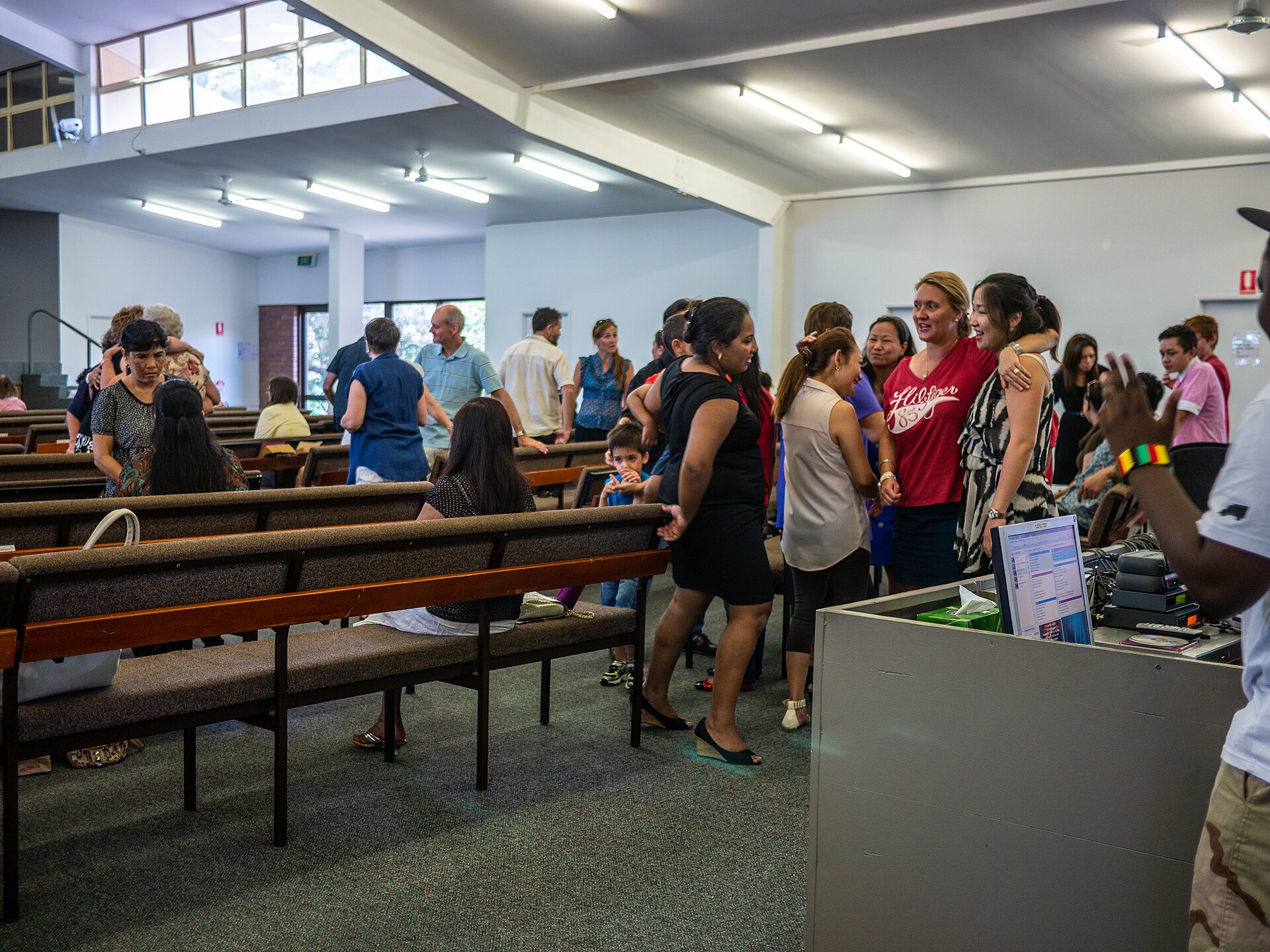
Why Sunday teams matter
Sunday service teams do not exist to make the morning feel polished for its own sake. They exist to make the church easier to enter, easier to navigate, and easier to participate in. That matters for first-time guests, long-time members, parents carrying three things too many, and anyone who arrives needing a little extra guidance.
Ridgecrest’s home page and Events Calendar help with the schedule ahead of time, but people still need in-person help once they arrive. That is where Sunday teams become visible in the best way: not as a performance, but as a calm presence.
That kind of welcome lines up with the spirit of Romans 15:7, which points believers toward receiving one another with the same grace they have received. The short answer is simple: a church feels warmer when people are intentionally looking out for one another.
Greeters: what to expect at the door
Greeters are often the first faces you meet on a Sunday morning. Their job is not to corner anyone into a long conversation before coffee has done its work. Their job is to notice people, offer a welcome, and help newcomers take the next obvious step.
That can look very ordinary, which is usually a good sign. A greeter may point you toward the main entrance, answer a quick question about where to go, help you find the sanctuary, or direct you to the right page if you want details later on. If you are new, a greeter can also help you connect with the right ministry area, including the broader opportunities listed on the Ministries page.
For families, this first contact matters even more. A calm welcome at the door can save parents from the classic Sunday question: “Are we confidently walking in the right direction, or just walking briskly and hoping for the best?” If you have children with you, a greeter can usually point you toward the right next step and help you reach the church’s Kids ministry information without making the morning feel complicated.
Ushers: seating help, accessibility, and practical support
Once you are inside, ushers help the room make sense. They assist with seating, help people find open spots, answer practical questions, and watch for needs that are easy to miss if everyone assumes someone else will handle them.
If you arrive late, are unsure where to sit, or need help finding a good place for your family, an usher is one of the best people to ask. Ushers can also be a helpful contact if you need directions to restrooms, classrooms, or the best path through the building. The goal is not formality. The goal is lowering the stress level by one or two clicks.
This also includes accessibility awareness. Someone may need a little more room, a simpler route, extra time getting seated, or help locating the most comfortable place to sit. Even when the request feels small, asking matters. An usher would generally rather help early than have someone spend the whole service quietly uncomfortable.
For anyone planning ahead, the Contacts page and Resources page are useful places to start before Sunday. They make it easier to ask questions in advance rather than improvising once you are in the parking lot.
Hospitality and communication: the people behind the smooth parts
Hospitality is the broader layer that helps Sunday feel coordinated instead of scattered. This often includes welcome materials, answering basic questions, helping visitors know where to go next, and making sure people know where to look for current information.
At Ridgecrest, the site already points visitors toward the two most useful places for updates: the Events Calendar for the weekly rhythm and the News page for highlighted announcements. In person, hospitality-minded volunteers help bridge the gap between those pages and real life. They can help someone locate a classroom, understand what happens after the service, or find the right person to speak with about ministry questions.
The heart behind that work fits the practical tone of Hebrews 13:2, which treats hospitality as something worth practicing on purpose. In other words, welcome is not accidental background noise. It is part of how a church cares for people.
If you share a question or contact detail with the church, the goal is usually simple follow-up: connect you with the right person, answer the question clearly, and make the next step easier. That does not need to feel formal to be useful. Sometimes good hospitality is as basic as making sure nobody leaves with preventable confusion.
Kids and family support touchpoints
Sunday teams also serve families, even when their role is not labeled “kids ministry.” Greeters and ushers help parents find entrances, classrooms, seating, and the next right conversation. That matters because family logistics can feel calm or chaotic on a very thin margin.
The church’s Kids page gives the fuller picture for children’s ministry, so this article will stay high-level. The practical point is that families do not have to solve everything alone on the sidewalk. If you are carrying a diaper bag, guiding an elementary-age child, and trying to remember whether you saw the right hallway, you are exactly the kind of person Sunday teams hope to help.
Parents can make the morning easier by checking details ahead of time, but it is still perfectly reasonable to ask for help once you arrive. That is not interrupting the system. That is the system working.
How to ask for help during the service
If you need help on a Sunday, the best move is usually the simplest one: ask the nearest greeter or usher. You do not need special wording. A short, direct question is enough.
- “Where should our family sit?” Helpful if you are visiting with children, arriving late, or prefer an easier exit.
- “Can you point me to the kids area?” Good for parents or grandparents who want the fastest route.
- “Who should I talk to about volunteering?” Useful if you want a next step after the service.
- “Is there a quieter place to step out for a moment?” Helpful for families, caregivers, or anyone needing a short break.
- “Can someone help me find the contact person for this ministry?” A practical question when you want the right follow-up instead of a vague maybe-later.
If you prefer to ask before arriving, the Contacts page includes phone, email, and address details, and it specifically invites questions about worship, children’s ministry, student ministry, prayer needs, and directions. That is a helpful option if you want fewer unknowns before Sunday morning begins.
How to volunteer with Sunday teams
Serving on a Sunday team is one of the clearest ways to help people feel seen. The role does not require being the loudest person in the room or having a perfectly polished church voice. In many cases, the best fit is someone dependable, attentive, kind, and willing to notice what another person needs.
Useful strengths for these teams often include:
- A warm, steady presence with guests and regular attenders
- Comfort answering simple questions or finding the right person
- Awareness of families, seniors, and visitors who may need extra help
- Reliability with arrival time and basic Sunday preparation
- A willingness to serve in small ways that make a big difference
The time commitment will depend on the role and the church’s current scheduling, so the cleanest next step is to ask directly through the Contacts page or speak with someone after the service. If you are still exploring where you might fit, the Ministries page can help you see the broader picture before you commit.
This kind of service also fits the tone of 1 Peter 4:9, where hospitality is connected to glad-hearted service rather than reluctant duty. Sunday teams work best when people see the role not as crowd management, but as care.
One-minute checklist: questions to ask before you serve
| Question | Why it helps |
|---|---|
| Do I enjoy helping people feel less lost? | That instinct is often a strong fit for greeting, ushering, or hospitality. |
| Can I arrive a little early and stay attentive? | These roles usually work best when volunteers are present before the service flow begins. |
| Am I comfortable asking a leader when I do not know the answer? | Good service is not pretending to know everything. It is helping people get to the right person quickly. |
| Would I rather serve quietly than be in the spotlight? | That is often exactly what makes someone effective on a Sunday team. |
A simple invitation
If you are visiting Ridgecrest, Sunday teams are there to make the morning easier, not more complicated. Ask the question. Take the help. Let someone point you in the right direction.
If you already call Ridgecrest home, Sunday service teams are also a meaningful place to serve. A smile at the door, a steady answer in the hallway, or a timely offer to help someone find their seat may not look dramatic. It just looks like church being church, which is usually the point.